
543
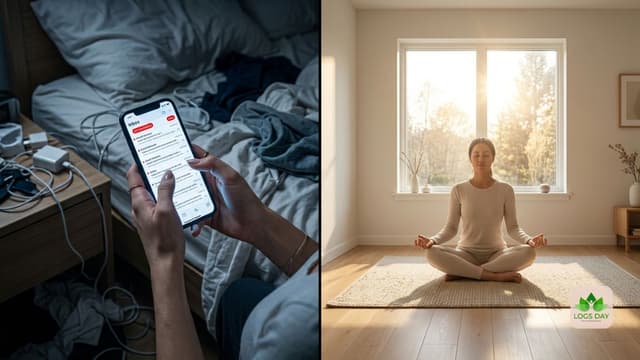
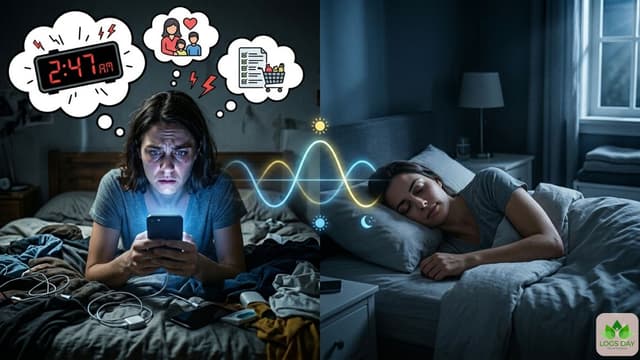
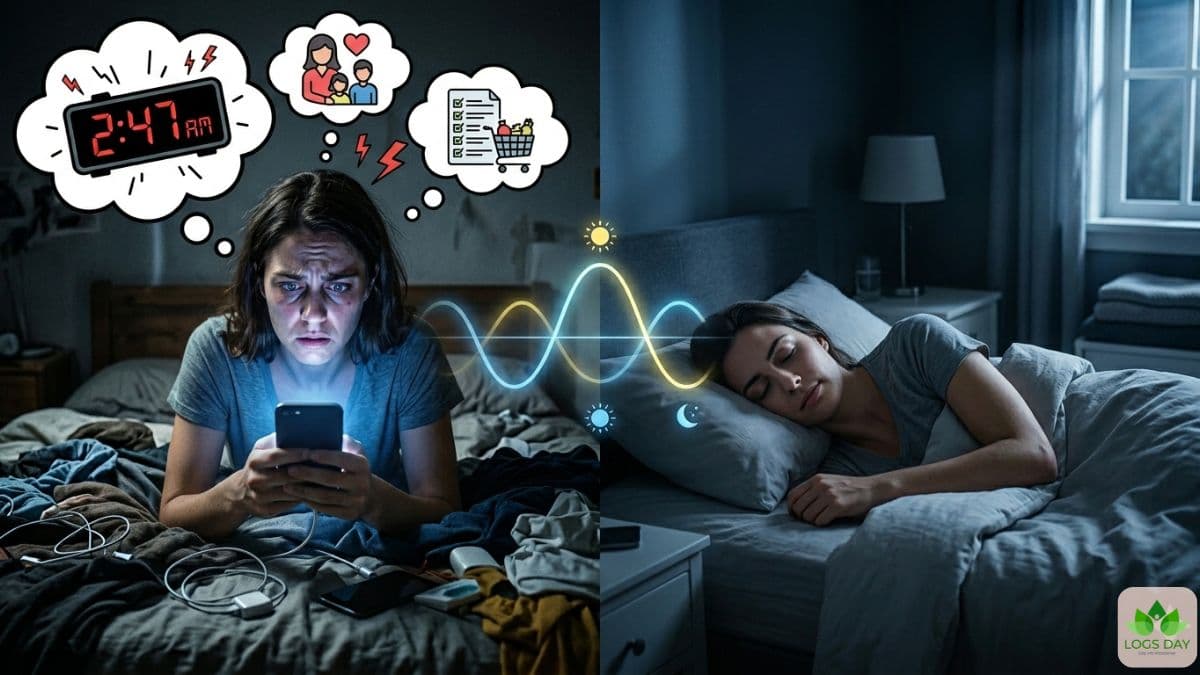
Millions of people struggle with poor sleep every night. Some stay awake because of stress. Others scroll through phones late at night. Many people wake up tired even after sleeping for several hours.
Sleep problems are now very common in the world. This problem is largely the result of long working hours, addiction to screens, unhealthy eating habits, and irregular routines. Poor sleep can affect focus, mood, memory, energy, and even heart health.
However, small daily habits can improve sleep naturally. You don't always need expensive products or hard-to-attain routines. Often, little changes do the job. “Sleep is the single most effective thing we can do to reset our brain and body health each day”, says Matthew Walker, a British neuroscientist and sleep expert.
According to the National Sleep Foundation and Centers for Disease Control and Prevention, among other institutions, good sleep habits can be good for one’s mental and physical health in the long term. And, studies show that people with consistent routines fall asleep faster and wake up more refreshed. In this article, you will learn the basics of sleep optimization in a very easy way. You will also discover science-backed habits that help people sleep deeply and wake up refreshed.
Sleep Science: Why Deep Sleep Matters
Your body works hard every day. Your brain stores memories. Your muscles repair damage. Your hormones reset. All these things happen during sleep. This is why poor sleep can slowly affect your health. Scientists say adults usually need seven to nine hours of sleep every night. But sleep quality matters as much as sleep time. A person may stay in bed for eight hours and still wake up tired if the sleep is broken.
Your body follows a natural clock called the circadian rhythm. This clock controls when you feel sleepy and when you feel active. Sunlight, darkness, meals, and screen use can change this clock. That is why sleeping at random times often creates problems.
Many people search online for how to sleep better because modern life keeps the brain active all the time. Phones, stress, and irregular routines confuse the body. The good news is that simple habits can train the brain again.
Doctors also recommend basic sleep hygiene tips before trying strong medicines. Small daily actions often naturally improve sleep. Some people also use warm tea, meditation or breathing exercises as insomnia natural remedies. These practices can soothe the nervous system and prime the body for sleep.
If you know the science of sleep, you’re more likely to stick to good habits. Once you know how sleep works, every bedtime choice will take on more meaning.
Also read: Dance Workout Benefits at Home: My Simple Secret to Staying Healthy And Stress-Free
15 Evidence-Based Habits for Better Sleep
1. Keep the Same Sleep Schedule Every Day — Evidence Score: 10/10
![[image]](https://admin.logsday.com/storage/media/Keep_the_Same_Sleep_Schedule_Every_Day_____Evidence_Score_1010_2026-05-25_15-30-37_HqftfeMy.jpg)
Your body loves routines. Going to sleep at the same time every night helps your brain learn to become sleepy naturally. Waking up at the same time keeps your body clock balanced. It may sound simple, but sleep researchers view this habit as one of the most effective tools for deeper sleep. The National Sleep Foundation shares research that shows that consistent sleep timing can help encourage healthy sleep cycles and overall sleep quality. People with regular schedules fall asleep faster and wake up feeling more rested. According to CDC Sleep Experts, “Getting enough good quality sleep significantly improves our health and safety, as well as our ability to perform on the job.”
Many people stay up late on weekends and get up early on weekdays. This messes with your body. It’s kind of like traveling across time zones every week. A steady routine can help with balanced hormones and energy levels. Take it easy to begin with. Choose a bedtime that seems manageable. Use it for two weeks, everyday. Don't change the schedule too much. Even one extra hour can affect your rhythm. This habit is one of the most important parts of sleep optimization because consistency helps the brain relax without struggle.
2. Reduce Screen Time Before Bed — Evidence Score: 9.5/10
![[image]](https://admin.logsday.com/storage/media/Reduce_Screen_Time_Before_Bed_____Evidence_Score_9.510_2026-05-25_15-37-10_P5NdOXK0.jpg)
Phones and laptops may seem relaxing at night, but they keep the brain awake longer. The screens’ bright blue light tells our brains that it’s still daytime. This reduces the sleep-inducing hormone melatonin. Researchers from Harvard Medical School have explained that blue light exposure at night can delay sleep and affect the body clock. This is one reason many experts recommend reducing screen use before bedtime.
Social media also keeps the brain busy. Short videos, news, and messages stimulate the mind. Even when you close your eyes your brain keeps on thinking. Try to avoid screens at least an hour before bed. Instead, use soft lighting. Read a book. Listen to soft music. Stretch gently. These small changes allow your nervous system to calm down.
If you have to use a device, reduce the brightness and turn on night mode. Some people also wear blue-light glasses in the evening. Less screen time can surprisingly quickly improve sleep quality. Many people see better sleep in just a few nights.
3. Get Morning Sunlight — Evidence Score: 9/10
![[image]](https://admin.logsday.com/storage/media/Get_Morning_Sunlight_2026-05-25_15-44-12_0EJaeNmJ.jpg)
Morning sunlight is one of the easiest ways to improve sleep naturally. Light tells your brain when the day begins. This helps your internal clock stay balanced. Studies published by sleep researchers have shown that natural morning light helps regulate the circadian rhythm and supports melatonin production later at night. People who receive sunlight early in the day often sleep more deeply.
After you wake up, spend ten to twenty minutes outside. You don’t have to exercise hard. Even just walking past a window, balcony or garden can help. Sunlight aids in the production of melatonin later in the night. People who receive natural morning light often feel sleepy earlier in the evening. Their mood and energy also improve during the day.
This habit is even more useful for those who work inside. Artificial light doesn’t affect the body in the same way as sunlight. Support healthy hormones with a regular morning light routine for better focus and deeper sleep. It's simple, free, and backed by strong research.
4. Avoid Heavy Meals Late at Night — Evidence Score: 8.5/10
![[image]](https://admin.logsday.com/storage/media/Avoid_Heavy_Meals_Late_at_Night_2026-05-25_15-46-41_kMV1VBSr.jpg)
Eating a very heavy dinner before bedtime can disturb sleep. Your body stays busy digesting food instead of resting deeply. Spicy meals may also increase discomfort and acid reflux. Try finishing dinner at least two to three hours before sleep. Choose lighter meals during late evening hours. Soup, vegetables, yogurt, or simple protein often work well.
Many people snack while watching television at night. This habit can become automatic. Try replacing late snacks with herbal tea or warm water. Caffeine and sugary desserts close to bedtime may also increase alertness. Even if you fall asleep quickly, the sleep quality may become lighter and more broken.
Simple food choices at night can make mornings feel much fresher and calmer.
5. Make Your Bedroom Cool and Dark — Evidence Score: 9/10
![[image]](https://admin.logsday.com/storage/media/Make_Your_Bedroom_Cool_and_Dark_2026-05-25_15-48-14_sz4lbS7S.jpg)
Most people don’t realize how important your sleep position is. A cool, dark room signals the body that it is time to sleep. Bright lights and warm temperatures typically reduces sleep quality.
If you can, use curtains to block the light from outside. Clear the room of excess glowing devices. Small lights from chargers or televisions can disturb sensitive sleepers. Generally, a slightly cool room is more comfortable for deep sleep. Air that is fresh also adds to comfort. The place feels serene with clean bedsheets and soft pillows.
Your bedroom should feel relaxing, not stressful. Avoid turning it into a work area. When the brain connects the room with rest, falling asleep becomes easier. This is another major part of sleep optimization because the body responds strongly to the sleeping environment.
6. Exercise Regularly During the Day — Evidence Score: 9/10
![[image]](https://admin.logsday.com/storage/media/Exercise_Regularly_During_the_Day_2026-05-25_15-50-10_XtKosSy9.jpg)
Physical movement helps the body feel naturally tired at night. Exercise reduces stress hormones and supports deeper sleep cycles. Even simple activities like walking can help.
You don't have to do hard workouts every day. For many people, a half hour’s walk, cycling, yoga or stretching is all that’s needed. Morning and afternoon workouts usually promote more sleep than late-night workouts. Hard workouts too close to bedtime may result in some alertness.
Exercise also lifts mood and reduces anxiety. This will bring your mind to a calmer state before sleep. People who move regularly often wake up with more energy and less stiffness. Their sleep becomes deeper and more refreshing over time.
7. Limit Caffeine in the Evening — Evidence Score: 8.5/10
![[image]](https://admin.logsday.com/storage/media/Limit_Caffeine_in_the_Evening_2026-05-25_15-52-48_68bYm922.jpg)
Coffee helps many people stay productive during busy days. But caffeine can remain in the body for several hours. Evening coffee may still affect sleep late at night.
Some people feel sensitive even after one cup. Others can drink more without problems. Learning your personal limit is important. Try avoiding caffeine after late afternoon. Watch hidden sources too. Energy drinks, chocolate, tea, and soft drinks may contain caffeine.
If you feel tired in the evening, choose healthier options instead. Drink water. Take a short walk. Stretch your body. Fresh air can increase energy naturally. Reducing caffeine before bedtime often improves sleep quality within days. Many people wake up less during the night after making this simple change.
Also read: Natural Home Remedies for Headaches (That Work Fast)
8. Create a Calm Bedtime Routine — Evidence Score: 8/10
![[image]](https://admin.logsday.com/storage/media/Create_a_Calm_Bedtime_Routine_2026-05-25_15-58-48_Ytg9Fcik.jpg)
A calm routine tells the brain that sleep is coming soon. This habit prepares both the body and mind for rest. Good bedtime routines are simple. Wash your face. Dim the lights. Read a few pages from a book. Listen to soft music. Practice deep breathing.
The goal is consistency, not perfection. Doing the same peaceful activities every night creates a strong mental signal. Stress often keeps people awake because the brain stays busy. Quiet routines reduce that mental noise. Over time, the body starts feeling sleepy automatically during these activities. This habit may feel small at first, but it becomes powerful when repeated every day.
9. Keep Naps Short — Evidence Score: 7.5/10
![[image]](https://admin.logsday.com/storage/media/Keep_Naps_Short_2026-05-25_16-01-03_ibUTrCfl.jpg)
Short naps can improve energy and focus. But long daytime naps may reduce sleep pressure at night. This makes falling asleep harder. If you enjoy naps, keep them around twenty minutes. Afternoon naps usually work better than evening naps. Some people nap for two hours after work because they feel exhausted. Sadly, this often creates a cycle of poor nighttime sleep.
If daytime tiredness feels extreme every day, your body may need better nighttime rest instead of longer naps. Balanced naps refresh the mind without confusing the body clock. Timing matters more than people think.
10. Manage Stress Before Bed — Evidence Score: 9/10
![[image]](https://admin.logsday.com/storage/media/Manage_Stress_Before_Bed_2026-05-25_16-02-53_7cKn7uW6.jpg)
Stress is one of the biggest causes of poor sleep. Many people lie in bed while thinking about work, money, or family problems. The brain needs calmness before deep sleep begins. Journaling can help. Writing thoughts on paper often reduces mental pressure. Meditation and breathing exercises may also relax the body. Some people keep a gratitude notebook beside the bed. Others pray quietly or listen to calming sounds.
Avoid stressful conversations late at night if possible. Emotional arguments can keep the nervous system active for hours. Mental peace does not arrive instantly, but small calming habits slowly train the body to relax more deeply. This is definitely another important facet of sleep optimization.
11. Use Your Bed Only for Sleep — Evidence Score: 8/10
![[image]](https://admin.logsday.com/storage/media/Use_Your_Bed_Only_for_Sleep_2026-05-25_16-06-29_E9d40YCh.jpg)
Many people eat, work, scroll on phones, and watch shows in bed. Over time, the brain stops connecting the bed with sleep. Try using the bed mainly for sleep and rest. If you cannot sleep after twenty minutes, stand up briefly. Sit in another room with dim light until you feel sleepy again. This technique helps the brain rebuild a healthy connection between the bed and relaxation.
People with insomnia often stay awake in bed for long periods. This increases frustration and anxiety. Simple changes in behavior can slowly reduce this pattern. Creating a peaceful relationship with your bed supports stronger and more natural sleep habits.
12. Reduce Noise Around You — Evidence Score: 7.5/10
![[image]](https://admin.logsday.com/storage/media/Reduce_Noise_Around_You_2026-05-25_16-08-44_zKE5blx8.jpg)
Noise affects sleep even when people do not fully wake up. Traffic, television sounds, barking dogs, or loud neighbors may interrupt deep sleep cycles. Soft earplugs can help some people. White noise machines and fans also create steady background sounds that block sudden noise. Try keeping your bedroom as quiet as possible. Thick curtains and rugs may reduce outside sounds.
A peaceful room helps the nervous system feel safe. This encourages deeper rest throughout the night. Many people notice improved mood and less morning tiredness after reducing nighttime noise.
13. Avoid Alcohol Before Sleep — Evidence Score: 8/10
![[image]](https://admin.logsday.com/storage/media/Avoid_Alcohol_Before_Sleep_2026-05-25_16-15-02_PabI4xjh.jpg)
Some people believe that alcohol helps to sleep better, because it makes one feel drowsy. The fact is alcohol typically worsens sleep later in the night. It can contribute to snoring, dehydration, and waking during the night. Sleep becomes lighter and less restorative.
People often wake up feeling tired even after many hours in bed. This is because alcohol disrupts normal sleep cycles. Instead of alcohol, try drinking water or herbal tea in the evening. Cutting down on alcohol before bed can help you feel fresher, calmer, and more active the next day.
14. Track Your Sleep Patterns — Evidence Score: 7/10
![[image]](https://admin.logsday.com/storage/media/Track_Your_Sleep_Patterns_2026-05-25_16-16-22_ZL2nfMrs.jpg)
Monitoring sleep can reveal patterns that are normally overlooked. You may be surprised to learn how caffeine, stress or late meals can affect your sleep. You could use a notebook or a simple phone app. Write down bedtime, wake-up time, mood, and energy levels.
Don’t get obsessed about perfect numbers. It is not pressure, it is consciousness. Tracking will help you see positive changes. You may notice an improvement in your mornings with exercise or less screen time. This habit will result in better sleep patterns and, in the long run, better decision making.
15. Be Patient with the Process — Evidence Score: 10/10
![[image]](https://admin.logsday.com/storage/media/Be_Patient_with_the_Process_2026-05-25_16-18-57_nBV6TvOg.jpg)
Good sleep rarely improves overnight. The body needs time to adapt. Many people quit too early because they expect instant results. Think of sleep as a long-term health investment. Small habits repeated daily create powerful changes over time.
Missing one good night does not mean failure. Stressful days happen. Travel happens. Life changes. Stay consistent with healthy routines. Focus on progress instead of perfection. The best results often appear slowly. Better energy, calmer moods, stronger focus, and improved health all grow from steady habits. Patience is one of the most underrated parts of sleep optimization because real improvement happens step by step.
Bedroom Setup Guide and Sleep Score Calculator
Your bedroom should be a peaceful place as soon as you step inside. Make the room clean and simple. Avoid bright light, loud noise and heavy clutter.
Bedroom Check List
- Cool room temperature
- Comfortable mattress
- Soft pillow support
- Dark drapes
- Minimal screen time
- A quiet environment
- Blankets
- Fresh air or relaxation smell
- Water at the bedside
- No bedside work station
Simple Sleep Score Calculator
Give yourself one point for each habit below:
- Slept before midnight
- Had no caffeine late evening
- Had no screens leading up to bed
- Worked through the day
- Kept a regular sleeping schedule
- Slept in a darkened room
- Had Early dinner
- Handled stress calmly
- Avoided alcohol
- Woke up naturally feeling refreshed
Score Guide
- 8 to 10 points: Regular sleep schedule
- 5 to 7 points: Good progress with room to improve
- 0 to 4 points: You need to work on your sleep habits
It takes time to build better sleep, but small changes add up over time to make a big difference. Some of the best sleep habits for long-term health and energy.
Wingding It up
Better sleep can change your life, quietly. You are more direct. You are calmer. Your body gets stronger. Every day, the journey begins with small choices. True sleep optimization is not about perfection. It’s about building good routines that naturally support your mind and body. Tonight, start with one habit. Then add more slowly.
Want more easy wellness guides like this? Visit Logsday for simple health tips, daily motivation, and practical lifestyle advice that fits real life.
Also read: Importance of Grip Strength Exercises for Better Health and Daily Life