
13
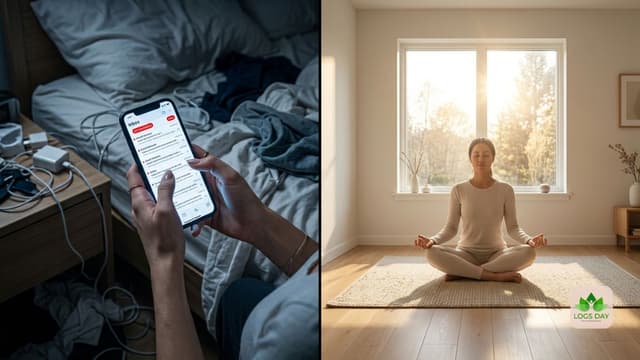
Most of us start our mornings by grabbing our phones and checking messages, emails, or social media. Although it may seem harmless, this habit fills your mind with distractions even before starting your day. Therefore, instead of feeling calm and controlled, you may find yourself reacting to the priorities of other people.
So, a better way to start the day is by practicing several minutes of mindful breathing and quiet reflection. This habit reduces stress, clears mental clutter, and prepares the mind for the tasks ahead. Instead of rushing into work, give yourself the time to breathe, pause, and set a positive intention for the day. Besides, practicing morning meditation even for 10 minutes every day improves your focus, makes you feel more centered, and helps you stay productive throughout the day.
To help you out, this blog offers a simple 10-minute morning meditation for focus routine that strengthens your attention span before opening the inbox. So, whether you are commuting to the office, working from home, or planning for a calmer start of the day, this practice will help you build better focus with one breath at a time.
TL;DR
- Checking emails first thing in the morning reduces focus and increases stress.
- A morning meditation for focus calms your mind before the daily distractions.
- Spending 10 minutes with mindful breathing boosts productivity, improves attention, and reduces mental clutter.
- A simple routine of morning meditation is easy to maintain than long sessions of meditation.
- Breath anchor techniques help to keep your mind from wandering during meditation.
- Consistent practice improves emotional balance, concentration, and decision-making ability.
Also read: Mindful Walking: Why Moving Without Your Phone Completely Resets Brain Fatigue
Why should you not check emails first thing in the morning?
Imagine this. Your alarm goes off. And you open your inbox immediately before even getting out of bed. Within seconds, you find a meeting reminder, an urgent notification from work, several unread notifications, or a customer complaint.
Your brain immediately goes into problem-solving mode. You start reacting to somebody else’s schedule instead of starting your day peacefully.
And the result is reduced focus, increased stress, continuous distraction, and mental fatigue.
Now imagine a different picture. You sit quietly after waking up. You take deep breaths for 10 minutes. After that, you check your phone. This routine will keep you calm throughout the day.
Difference between starting your day with email vs. with meditation
| Checking emails first | Meditating first |
| Higher stress levels | Better sense of calm |
| Immediate reaction | Thoughtful response |
| Mental clutter | Mental clarity |
| Distracted attention | Focused attention |
| Focusing on other people’s priorities | Focusing on your priorities |
According to an article in Psychology Today, Giuseppe Pagnoni, an Italian Neuroscientist, found that the minds of meditators were more stable than others. Besides, they had a superior ability to focus.
What is the breath anchor technique?
Using your breath as an anchor is one of the easiest methods of meditation. You can consider it as an anchor holding the boat steadily during changing weather. The breath works similarly for your mind. Whenever your thoughts drift toward worries, work, or a growing to-do list, your breath becomes the place to return to.
There is no need to force yourself.
Instead, Notice- Breathe- Return- Repeat.
This simple practice is quite powerful as it teaches your brain to be present instead of chasing distractions constantly.
Also read: Why Minds Feel Overloaded—Know the Real Causes
How to practice a simple morning mindfulness routine?
You don’t need years of experience or any special equipment to meditate. All you need is a quiet chair, ten uninterrupted minutes, and a comfortable posture.
This morning mindfulness practice fits into almost every schedule, making it easier to develop consistency.
The goal here is not to have the perfectly empty mind. Even though your mind wanders, it is completely normal.
The important thing here is to notice distractions and gradually return your attention to breathing.
Each return is part of that practice.
Now, create an environment that supports focus before you start. Here are the tips to follow:
- Keep your phone in silent.
- Don’t check social media or emails.
- Comfortably sit on the ground with your feet flat.
- Rest your hands comfortably in your lap.
- Keep the back relaxed yet straight.
- Soften your gaze or close your eyes.
There is no need to have any expensive equipment like meditation cushions, candles, or music. Here, consistency is more important than perfection.
Why does morning meditation improve your focus?
Your brain works perfectly when it is not overwhelmed.
Your mind is comparatively quiet right at the moment you wake up. It makes morning the best time to train your attention. So, guide your attention intentionally in the morning instead of checking notifications that control your thoughts.
The morning meditation for focus doesn’t stop your thoughts from appearing. Instead, it helps you bring back your attention gently while noticing when it is wandering. And every time you return your focus to breathing, your “attention muscle” strengthens. Eventually, meditation strengthens your ability to concentrate.
What can you expect in the 10-minute meditation routine?
Beginners often wonder, “Will I stop thinking with meditation?” The answer to this question is possibly not. And that is fine.
You don’t practice mindfulness exercises for mental clarity to eliminate thoughts. Instead, you do it to change your relationship with thoughts.
Besides, instead of following every thought that comes, you learn to observe it instead of getting carried away.
Gradually, this skill becomes highly valuable, not only during meditation, but also during demanding work projects, long meetings, and stressful situations.
According to Sharon Salzberg, a meditation teacher, the most vital moment in practicing meditation is when you sit down to do it. Right then, you say to yourself that you believe in caring yourself, you believe in change, and you are making it real.
So, if you are wondering how to improve focus naturally, this is one of the easiest places to start. Just several minutes of intentional breathing every morning helps to train your mind to be attentive and present throughout the day.
What routine to follow in 10-minutes morning meditation?
Now, let’s walk through the simple routine of morning meditation for focus.
- Minute 1: Be comfortable- Sit in the chair with your feet cross-legged on a cushion or flat on the floor. Keep your back relaxed but straight. Rest your hands in your lap. Gently soften your gaze or close your eyes. Then take a deep, slow breath through the nose and exhale through the mouth. Allow the shoulders to relax. Release tensions that you are holding.
- Minutes 2-4: Focus on the breath- Breathe naturally. Pay attention to the feeling of air moving in and out of the nose. Notice the chest rising and falling. Never try to control your breath, just observe. And whenever your mind drifts to errands, work, or email, return your attention gently to the next breath.
- Minutes 5-7: Expand awareness- Now, notice your entire body. Is your jaw tight? Are your shoulders tense? Can you soften those areas? If all these thoughts appear, acknowledge them without judgment. Then return to your breathing. This is an easy guided meditation for concentration that helps to train your brain to be present instead of constantly wandering from one thought to another.
- Minutes 8-9: Set the intention- In this section, you have to ask yourself, “How do I prefer to show up today?” Your intentions may be to listen more carefully, be calm during meetings, be patient with others, complete an important task, and focus on a single job at a time. Take several slow breaths and silently repeat your intention.
- Minute 10: Complete your meditation slowly- Take a final deep breath and open your eyes. Check how your body and mind feel. And then check your inbox. You will notice that you feel clearer, calmer, and better prepared for the day ahead.
Also read: Box Breathing Benefits: How a Simple 4-Second Technique Calms Panic in Minutes
How does this practice help in long work sessions?
Pema Chödrön, an American nun, says we don’t sit in meditation to be good meditators. We sit in meditation to be more awake in our lives.
Many people notice the benefits of a morning meditation routine once they continue it. One of the benefits is that they stay focused for a longer time instead of getting distracted in every few moments. Eventually, they notice less mental fatigue, better concentration, greater patience, more productive work sessions, and improved decision-making.
Your best work starts before opening your inbox
Experts say that the way you start your morning shapes the rest of the day. So, if you check email as the first thing in the morning, you are immediately pulled into the priorities of others, leaving no or little space to concentrate on your own things. However, a simple routine of morning meditation for focus helps you start productively with a steady and clear mind.
The best part, you don’t need hours of practice or follow any complicated techniques to enjoy the benefits. Just 10 minutes of mindful breathing every morning improves concentration, reduces mental clutter, and helps you stay present during long work sessions. Eventually, this small habit will be one of the most effective ways to protect your attention in this highly distracting world.
Go through the blogs of Logsday to learn more about the benefits of morning meditation for focus.
Sources
- https://www.mayoclinic.org/tests-procedures/meditation/in-depth/meditation/art-20045858
- https://medium.com/my-yoga/10-minute-morning-meditation-for-gratitude-peace-productive-energy-5e8a3bed67a8
- https://www.yogajournal.com/meditation/morning-meditation-start-day-mindfully/
- https://www.intuitiveandspiritual.com/2019/10/10-minute-guided-morning-meditation/
- https://www.mindful.org/a-10-minute-practice-to-fully-experience-the-present/