
508
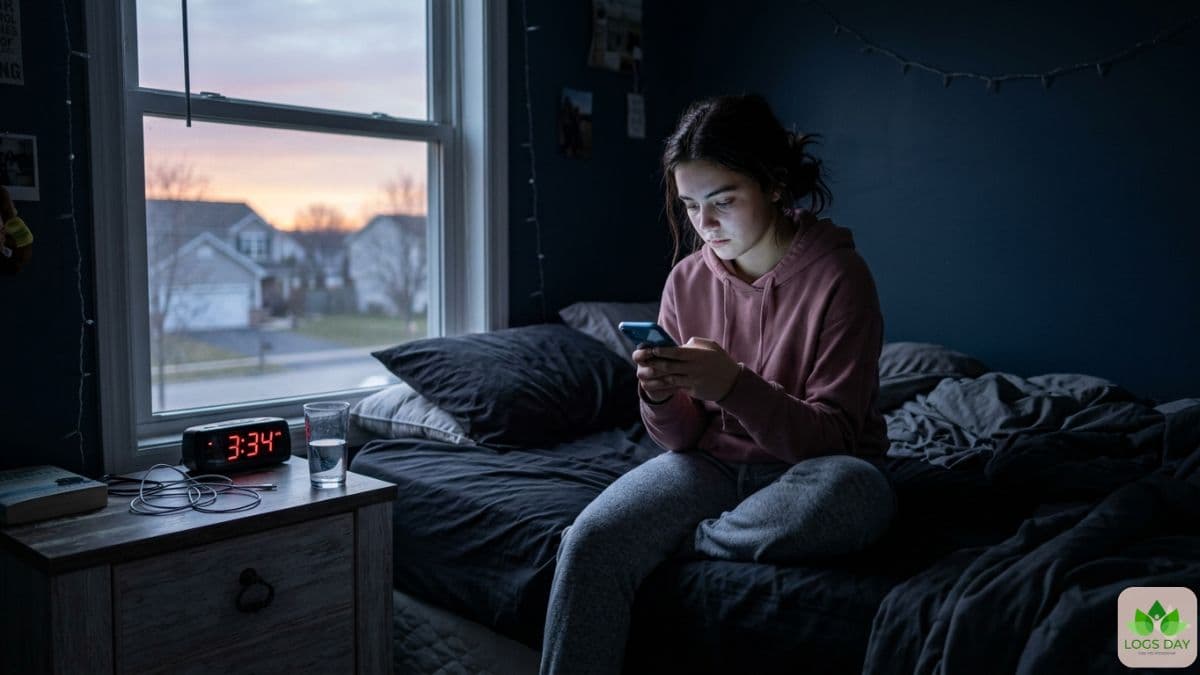
It’s late at night. Your teen is still awake, scrolling, texting, or just lying there. Morning comes, and getting them out of bed feels like a daily battle. Sound familiar? You are not alone. Sleep problems in teenagers are very common, yet often ignored. This teen sleep guide for parents is here to help you understand what’s really going on and what you can actually do about it.
Teen sleep is not just about laziness or bad habits. It is deeply connected to biology, emotions, school pressure, and modern lifestyle. Many parents think teens should just “sleep earlier,” but the truth is more complex. This teen sleep guide for parents will break everything down in a very simple way so you can support your teen better.
If your teen struggles with waking up, staying focused, or feeling tired all the time, this is your sign to take sleep seriously. Let’s begin.
Teen Sleep Biology… Why Teens Naturally Sleep Late
Teenagers go through a real biological shift during puberty. This shift affects their internal body clock, also known as the circadian rhythm. The circadian rhythm is controlled by a part of the brain called the suprachiasmatic nucleus (SCN), which responds to light and darkness.
During the teen years, this system changes. The brain starts releasing melatonin, the sleep hormone, later at night. In younger children, melatonin rises early in the evening, making them sleepy sooner. But in teenagers, this release can be delayed by one to two hours. This condition is often referred to as a delayed sleep phase.
This is why many teens feel wide awake at 10 or 11 PM. They naturally feel alert at night and sleepy in the morning. It is not a behavior problem. It is biology. Light exposure, especially from screens, can push this delay even further by signaling the brain to stay awake.
At the same time, teens still need the same or even more sleep for brain development. Their prefrontal cortex, which controls decision-making and emotions, is still growing. Sleep supports this growth. The American Academy of Sleep Medicine says that teens should sleep "8 to 10 hours" every night to stay healthy and alert. Johns Hopkins Medicine also notes that teens need about 9 to 9½ hours of sleep because their brains are still growing.
This mismatch between a delayed body clock and early school schedules leads to chronic sleep loss. Understanding this science is a key part of this teen sleep guide for parents. It will help you respond with empathy instead of frustration and build better habits around your teen’s natural rhythm.
Also read: What I Learned from Running My Own Sleep Music and Sounds Comparison Every Night
How Much Sleep Do Teenagers Need by Age
Sleep needs change as kids grow. Teenagers need more sleep than many people think. Most teens need between 8 to 10 hours of sleep every night. This is important for brain development, mood, and overall health.
Here is a simple idea of sleep needs:
- Ages 13–15: Around 9–10 hours
- Ages 16–18: Around 8–10 hours
But many high schoolers get only 6–7 hours. This is not enough. Over time, this creates a sleep debt that affects daily life. When we talk about sleep for high schoolers, we must remember they are juggling school, homework, social life, and sometimes part-time jobs. All of this reduces sleep time.
In this teen sleep guidefor parents, it is important to understand that “just enough sleep” is not enough. Teens need full, consistent sleep to function well. Missing even one hour daily can impact learning and mood. According to Dr. Michael Crocetti, this is a "second developmental phase" that needs more sleep. The Sleep Foundation's teen sleep guide experts highlight that getting enough sleep every night is important for your mental health, emotional balance, and ability to learn.
Consequences of Teen Sleep Deprivation
Teen sleep deprivation is not a small issue. It can affect almost every part of a teenager’s life. Lack of sleep builds slowly, but its effects are strong.
First, it affects the brain. Teens may find it hard to focus, remember things, or make decisions. Grades can drop, even if they are trying hard.
Second, it affects emotions. Sleep-deprived teens may feel more anxious, stressed, or even depressed. Mood swings become common.
Third, it affects physical health. Poor sleep can weaken the immune system. Teens may fall sick more often. It can also increase the risk of weight gain.
Here are some common signs:
- Trouble waking up in the morning
- Falling asleep in class
- Low energy all day
- Irritability and mood swings
- Poor academic performance
This teen sleep guide for parents emhasizes that sleep is not optional. It is as important as food and exercise. Ignoring it can lead to long-term problems.
Also read: What Really Changes in a Woman’s Body After Turning 40?
The School Start Time Debate
School start times have been a hot topic of conversation in recent years. Many experts believe that schools should start later for teens.
Why? Because early start times do not match teen biology. When schools begin at 7 or 8 AM, teens have to wake up very early. This cuts their sleep short every day. Some schools in the U.S. have already started pushing start times later. Studies show that students in these schools sleep more, perform better, and feel happier.
But not all schools have made this change yet. Until then, parents and teens have to work around early schedules. This is where this teen sleep guide for parents becomes useful. While you may not control school timings, you can control routines at home. Even small changes can make a big difference.
Screen Time and Teen Sleep
Screens are one of the biggest sleep disruptors today. People use phones, tablets, and laptops every day. But they have two big effects on sleep.
First, the blue light from screens stops the release of melatonin. This makes it harder for teens to get tired.
Second, content keeps the mind busy. It can be hard to relax before bed when you use social media, watch videos, or play games. Most teens use screens until they go to bed. This makes sleep even later.
Managing screen time is important for helping teens sleep better. Here are some easy tips:
- Don't use screens for at least an hour before bed.
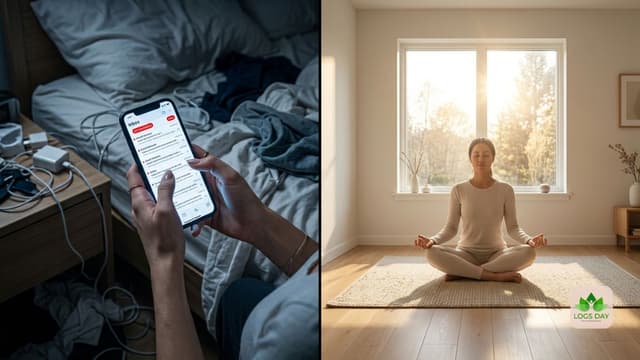
- Don't bring your phone into the bedroom at night
- Use blue light filters or night mode
- Suggest activities that help you relax, like reading
This is a very important part of helping teens sleep better. Making small changes to how you use screens can help you sleep better.
Easy Strategies for Teens to Sleep Better
Improving teen sleep does not require big changes. Simple daily habits can help a lot. The key is consistency.
Start with a regular sleep schedule. Going to bed and waking up at the same time every day helps the body clock.
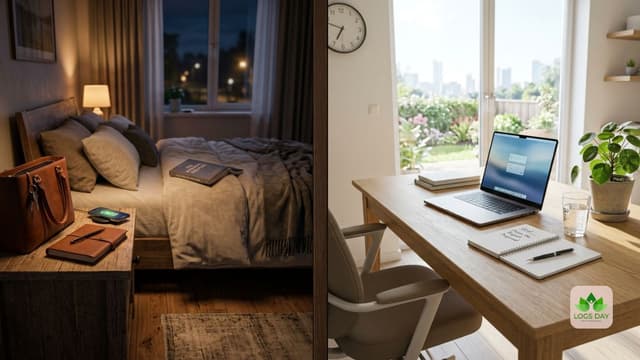
Create a relaxing bedtime routine. This could include reading, listening to calm music, or taking a warm shower. Make the bedroom sleep-friendly. Keep it dark, cool, and quiet.
Limit caffeine. Many teens consume coffee or energy drinks, which can affect sleep.
Stay active during the day. Exercise helps the body feel naturally tired at night.
Here are quick reminders:
- Stick to a fixed bedtime
- Avoid heavy meals before sleep
- Get natural sunlight during the day
- Keep naps short
This teen sleep guide for parents encourages building habits slowly. Change does not happen overnight, but steady steps work.
How Parents Can Help Teens Sleep Better
Parents have a big impact on how their kids sleep. Teens may not like rules, but they still need help. Talk to each other openly to start. Instead of making rules, talk about why sleep is important. Make clear but flexible rules. For instance, cut down on screen time at night. Make your home a place where people can help each other. During sleep hours, keep the noise down. Show them how to sleep well. Teenagers often do what they see. Promote balance. Help them balance school, activities, and rest.
Here are a few easy things that parents can do to help:
- Make sure everyone in the family sleeps at the same time every night.
- Encourage time spent offline before bed
- Help your teen get enough sleep
- Look for signs of stress or too much work
Sleep Disorder Signs in Teens
Sometimes, sleep problems are more than just habits. They could be signs of a sleep problem. It's important to see the signs early. Teenagers often have trouble sleeping, such as insomnia, sleep apnea, and delayed sleep phase disorder.
Look out for these signs:
- Having trouble falling asleep often
- Snoring or breathing problems that are loud
- Very sleepy during the day
- Hard to wake up even after a long sleep
- Changes in sleep patterns that happen all of a sudden
It is best to see a doctor if these signs keep happening. Getting help early can stop bigger problems from happening.
This part of the teen sleep guide for parents is very important. Not all sleep issues can be solved at home. Knowing when to seek help makes a difference.
Nap Guidelines for Teens
Naps can be helpful, but only if done right. Long or late naps can make nighttime sleep worse. Short naps can boost energy and focus. But timing is key. The best nap time is early afternoon. Naps should be short, around 20–30 minutes. Avoid naps in the evening. They can delay bedtime.
Here are simple nap rules:
- Keep naps under 30 minutes
- Nap before 3 PM
- Avoid daily long naps
- Use naps only when needed
A good nap can refresh the mind. But too much can disrupt the sleep cycle. Balance is important.
Also read: Can Seed Cycling Actually Balance Your Hormones Naturally?
Helping Your Teen Build Better Sleep Habits for Life
Teen sleep is a big deal, but the answers can be easy. Step by step, you can get better sleep by learning about biology, making routines, and getting support.
This teen sleep guide for parents is all about progress. Making even small changes can help you sleep better, feel better, and be healthier.
Your teen might not change right away. But things will get better if you are patient and stick with it.
Sleep is more than just rest. It is strength, healing, and growth. Pay attention to it like it needs.
Visit Logsday for more helpful lifestyle tips that will make your life easier.
Sources
- https://childmind.org/guide/parents-guide-to-teenagers-and-sleep/
- https://childdevelopmentinfo.com/wp-content/uploads/2022/01/Parents-Guide-to-Teenagers-and-Sleep-090716.pdf
- https://behavioralhealth.communitycare.com/wp-content/uploads/2024/05/Teens-Sleep-For-Parents-and-PCPs.pdf
- https://www.teenhealth.org.uk/health-topics/sleep-parents/
- https://sleepaction.org/wp-content/uploads/2024/01/Sleep-Action-%E2%80%93-Teen-booklet.pdf