
435
A headache can ruin a good day in minutes. It can make work feel impossible. It can stop you from sleeping well. Sometimes the pain starts slowly. Sometimes it hits suddenly. Many people reach for medicine right away. But simple daily remedies can also help. A warm cup of tea, a cold cloth, quiet breathing, or a small massage may calm the pain faster than expected.
Headaches are very common today. Long screen time, stress, poor sleep, dehydration, and skipped meals are major reasons. The good news is that small lifestyle changes can reduce the pain naturally. Many people now prefer gentle and natural solutions before taking tablets.
This guide shares easy and safe remedies that you can try at home. The steps are simple. Most items are already available in your kitchen or bedroom. You will also learn about pressure points, prevention tips, and warning signs that should never be ignored. These tips are written in very simple language so anyone can follow them.
If you are tired of headaches affecting your daily life, these ideas may help you feel better faster.
Types of Headaches
Not every headache feels the same. Some are sharp and sudden. Some feel heavy and dull. Understanding the type of pain can help you choose the right remedy. Tension headaches are the most common. They often feel like a tight band around the head. Stress, poor posture, and long work hours usually trigger them.
Migraine headaches are worse. They can cause nausea, light sensitivity, or blurred vision. Dizziness is also common during a migraine. Sinus headaches typically occur during colds or allergies. You may feel pain or pressure in the forehead and face. Cluster headache is a rare but very painful disorder. They often affect one side of the head and may occur in cycles.
Hormonal headaches, on the other hand, can occur during periods, pregnancy, or menopause. Caffeine withdrawal headaches are also common. They can be triggered by skipping your morning coffee. Sometimes headaches are caused by dehydration or hunger. Others are caused by lack of sleep.
1. Drink More Water Immediately
![[image]](https://admin.logsday.com/storage/media/Drink_More_Water_2026-05-23_15-03-45_fgtCQLrw.jpg)
Evidence Rating: Strong
Dehydration is one of the biggest hidden reasons behind headaches. Many people forget to drink enough water during busy days. The body loses water through sweat, heat, and physical activity. When the body becomes dehydrated, the brain tissue may temporarily shrink slightly. This can trigger pain and pressure.
One of the easiest home remedies for headaches is simply drinking water slowly and consistently. Start with one large glass of water. Do not gulp it too fast. Sip slowly. You can also add a small pinch of salt and lemon if you feel weak. Coconut water is another good option because it restores electrolytes. People who spend long hours in air-conditioned rooms often become dehydrated without noticing it. The same happens after exercise or travel. If your urine looks dark yellow, your body probably needs more fluids.
Many headaches improve within thirty minutes after proper hydration. Keep a water bottle near you every day. This simple habit can prevent headaches before they even begin.
Also read: Loneliness and Health: Why Social Isolation Is as Dangerous as Smoking 15 Cigarettes a Day
2. Use a Cold Compress
![[image]](https://admin.logsday.com/storage/media/Use_a_Cold_Compress_2026-05-23_15-06-22_hPWUwTTv.jpg)
Evidence Rating: Strong
Cold therapy can calm swelling and reduce pain signals in the body. A cold compress is especially useful for migraines and stress headaches. The cool temperature helps tighten blood vessels and may reduce throbbing sensations. Take a clean cloth and wrap a few ice cubes inside it. Never place ice directly on the skin. You can also use a frozen gel pack or even a bag of frozen vegetables. Place it gently on your forehead, temples, or the back of your neck for ten to fifteen minutes.
Many people combine this remedy with rest in a dark room. This creates a calming effect on the nervous system. During migraine attacks, bright light and noise often make symptoms worse. A cold compress helps the body relax naturally. This method is popular because it is fast, affordable, and simple. It is also one of the easiest forms of headache relief at home. Repeat the process after a short break if the pain continues.
3. Try Ginger Tea
![[image]](https://admin.logsday.com/storage/media/Try_Ginger_Tea_2026-05-23_15-07-48_0Z2UODNH.jpg)
Evidence Rating: Moderate to Strong
Ginger is famous for its anti-inflammatory properties. It has been used in traditional healing for hundreds of years. Ginger helps reduce chemicals in the body that cause migraine pain and nausea. Put slices of fresh ginger in a saucepan and boil for ten minutes. Strain your tea and drink it hot. You can add honey, to taste. Some people chew pieces of raw ginger too.
Ginger is only good if you take it early. Don't wait until the headache is severe. The warmth of the tea relaxes the body and stimulates the blood flow. Ginger is used by many people during migraine attacks because it is known to reduce vomiting and dizziness.
If you don’t like tea, you can add ginger powder in warm water and that may help too. Don't drink too much as large quantities can upset the stomach. Natural solutions such as ginger are on the rise as consumers seek safer options for everyday use. For many families, ginger remains a trusted natural headache cure that is easy to prepare at home. Mayo Clinic experts explain, stress is a major trigger for tension headaches. They suggest yoga, meditation, deep breathing, and sleep as natural ways to manage headache pain.
4. Sleep in a Quiet and Dark Room
![[image]](https://admin.logsday.com/storage/media/Sleep_in_a_Quiet_and_Dark_Room_2026-05-23_15-12-49_ulk0Q4si.jpg)
Evidence Rating: Strong
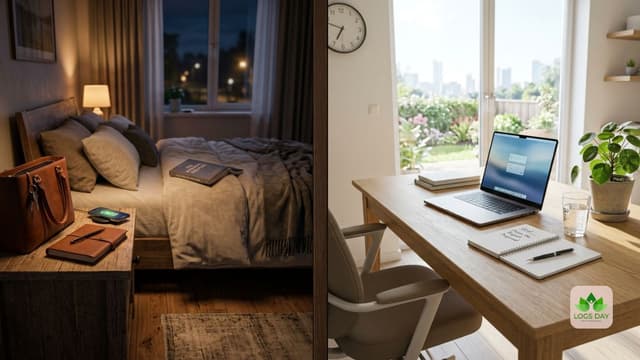
Lack of sleep often causes headaches. It boosts stress hormones and makes the brain more responsive to pain. One bad night can make you feel bad even the next day. If your headache is too much, take a break and do nothing for a while. Turn off bright lighting. Put your phone away. Head down into a dark quiet room. Close your eyes and breathe in slowly. Sometimes the brain just needs quiet and rest.
People with migraine are frequently sensitive to light and sound. A quiet room will reduce stimulation and allow the nervous system to recover. Short naps are good too. But avoid sleeping for long during the day as this can sometimes make headaches worse. Good sleep habits are important for long-term relief. Try sleeping and waking at the same time daily. Reduce screen exposure before bed. Avoid heavy meals late at night. Proper rest is one of the safest home remedies for headaches because it supports the body naturally without side effects.
5. Use Peppermint or Lavender Oil
![[image]](https://admin.logsday.com/storage/media/Use_Peppermint_or_Lavender_Oil_2026-05-23_15-19-43_9jJAaWgT.jpg)
Evidence Rating: Moderate
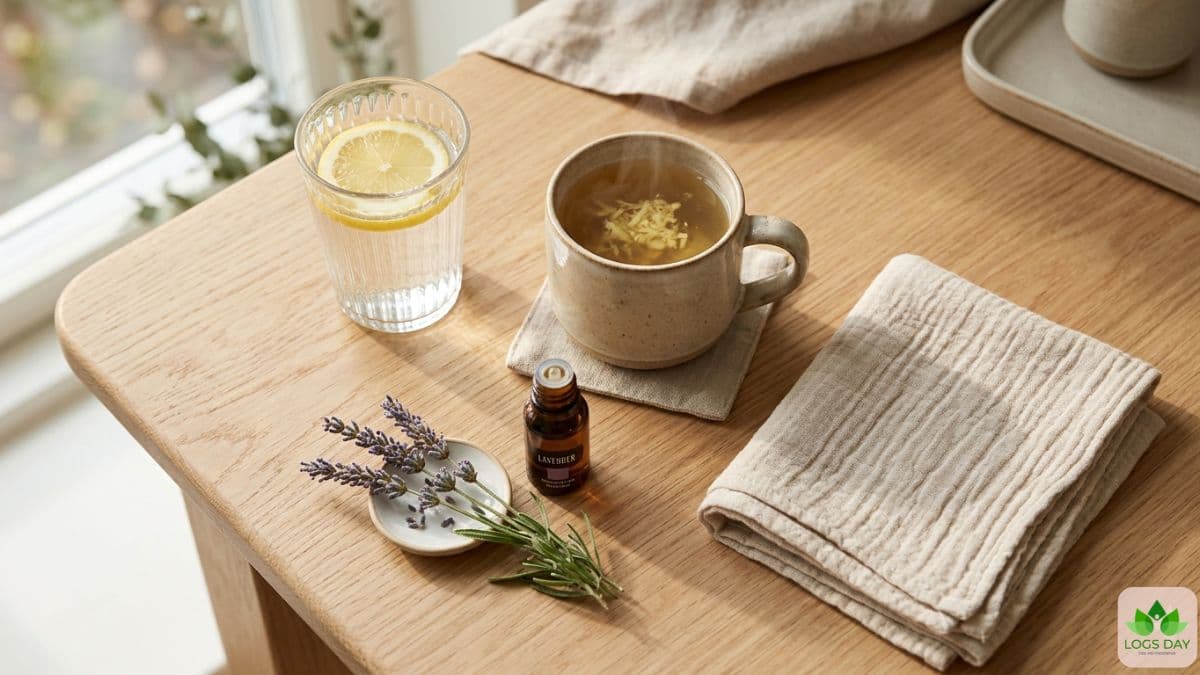
Essential oils are commonly used for relaxation and stress relief. Peppermint oil can create a cooling sensation that might help relieve tension headaches. Lavender oil has a soothing effect and may help to reduce anxiety associated with migraines.
Before applying it to the skin, mix a few drops of essential oil with coconut oil. Massage temples, forehead, and neck lightly. Never apply concentrated oils directly as it can be irritating to the skin. You can also take in the scent through a diffuser or steam. Many people use essential oils before sleep in order to relax the mind. The lovely smell creates a relaxing environment.
The subject of essential oils headache support has become popular because many people prefer natural wellness practices. But essential oils don't work the same for everyone. Some strong odors may even trigger migraines in sensitive individuals.
Always test a little first. If you start to feel dizzy or uncomfortable, stop using the oil. When used with care, these oils can help you relax quickly during stressful days.
6. Eat a Light and Healthy Snack
![[image]](https://admin.logsday.com/storage/media/Eat_a_Light_and_Healthy_Snack_2026-05-23_15-22-08_ciXimnf2.jpg)
Evidence Rating: Moderate
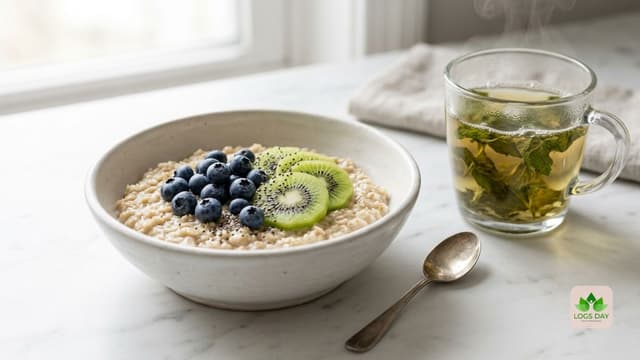
Skipping meals can lower blood sugar levels. This often causes weakness, shakiness, and headaches. Busy schedules make many people forget to eat on time. The body then struggles to maintain stable energy. If your headache starts after long gaps between meals, eat something light and healthy immediately. Bananas, nuts, yogurt, apples, oats, and whole-grain toast are good choices. Avoid junk food loaded with sugar because it may increase inflammation later.
Protein-rich snacks are especially useful because they keep blood sugar steady for longer periods. Small meals throughout the day can help prevent sudden hunger headaches. Some people also react to certain foods like processed meats, alcohol, aged cheese, or artificial sweeteners. Keeping a food diary can help identify triggers.
Simple eating habits are among the most practical home remedies for headaches because they improve overall energy and wellness too.
7. Practice Deep Breathing
![[image]](https://admin.logsday.com/storage/media/Practice_Deep_Breathing_2026-05-23_15-25-30_2JPL910A.jpg)
Evidence Rating: Moderate
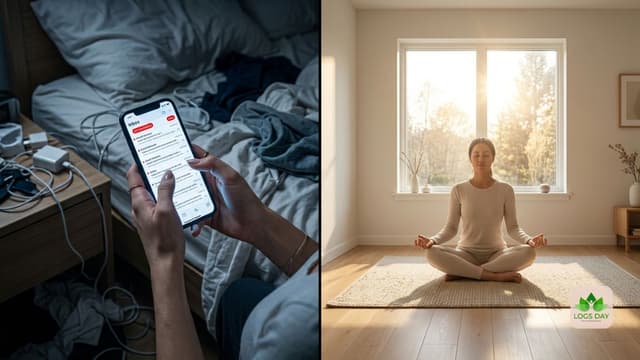
Stress is one of the major headache triggers today. Tight muscles, racing thoughts, and anxiety increase pressure in the body. Deep breathing helps calm the nervous system and relax tight muscles. Get comfortable and close your eyes. Slowly inhale through your nose to the count of four. Hold the breath for a moment. Then gradually breathe out through your mouth. Repeat this for several minutes.
As breathing becomes slower, the body often feels calmer. The shoulders drop. The pulse slows. This often reduces stress-induced tension headaches. You can combine breathing with soft music or meditation. Some people do breathing exercises during work breaks to prevent headaches from starting. This remedy is easy, for it requires nothing more than a few quiet minutes. Doing breathing exercises regularly can also help improve your sleep quality and emotional balance over time.
8. Massage the Neck and Shoulders
![[image]](https://admin.logsday.com/storage/media/Massage_the_Neck_and_Shoulders_2026-05-23_15-32-16_eg9tCNLv.jpg)
Evidence Rating: Moderate to Strong
Tension in the neck and shoulders often moves up into the head. Poor posture, desk work, and stress cause stiff, painful muscles. A relaxing massage can increase blood flow and loosen tightness. Use your fingertips to massage your neck, shoulders, and temples slowly. Best are usually circular motions. Warm oil helps comfort.
Before you give the massage, put a warm towel around the neck. Heat helps relax stiff muscles more quickly. Many people feel relief within minutes because the pressure eases naturally. Stretching is just as important. Slowly roll your shoulders. Then turn your neck from side to side gently. Try not to make any sudden movements.
Massage therapy is one of the oldest home remedies for headaches because it targets physical tension directly. It is especially helpful after long hours of computer work or emotional stress.
Also read: I Turned My House into a Calm Space: A Simple Home Fragrance Wellness Guide
9. Reduce Screen Time
![[image]](https://admin.logsday.com/storage/media/Drink_Herbal_Tea_2026-05-23_15-42-17_ukGBpQe0.jpg)
Evidence Rating: Strong
Modern life keeps people glued to screens for hours. Phones, laptops, and TVs are tough on the eyes and overstimulate the brain. This can lead to eye strain and headaches. Take regular breaks while working. Follow the 20-20-20 rule. Every 20 minutes, look at something 20 feet away for 20 seconds. This allows the eyes to relax.
If it feels too intense, lower screen brightness. Blue light filters can help too. Maintain good posture and do not bend your neck down for long periods of time. Dry eyes can also be uncomfortable. If needed, blink more often or use lubricating eye drops.
Children and teenagers are also experiencing more screen-related headaches today. Outdoor activities and reduced gadget use can make a major difference. Protecting your eyes and posture is one of the smartest long-term home remedies for headaches in the digital age.
10. Drink Herbal Tea
![[image]](https://admin.logsday.com/storage/media/Drink_Herbal_Tea__2__2026-05-23_15-44-04_zxesnRMZ.jpg)
Evidence Rating: Moderate
Herbal tea can be warm and relaxing for the body. Known for its soothing properties, chamomile tea can help ease stress-related headaches. Peppermint tea can relieve tension and leave the body feeling refreshed. Green tea contains a small amount of caffeine that may help some people feel better during mild headaches. Drinking tea also helps to keep the body hydrated which is important for recovery. When you’re feeling stressed or tired, the warmth of a cup of tea can be comforting.
However, caffeine intake should be small. “Too much caffeine can cause headaches later in the day. Some people feel better with one small cup of tea or coffee, while others may become more sensitive to it. Herbal teas seem to be most effective when combined with enough rest and plenty of water. It is better to avoid sugary drinks as they can lead to dehydration. Sipping a warm cup of herbal tea is a simple and comforting habit that will help promote relaxation, reduce stress, and improve sleep.
11. Apply Acupressure Techniques
![[image]](https://admin.logsday.com/storage/media/Apply_Acupressure_Techniques_2026-05-23_15-45-59_GPewtyMU.jpg)
Evidence Rating: Moderate
Acupressure is a type of therapy that involves applying pressure to specific points on the body to alleviate pain. These points help promote circulation and release muscle tension. One popular point is located between the thumb and index finger. Press this spot gently for 30 seconds on each hand. Another point is at the inner edge of the eyebrows. Applying slow circular pressure around the eyes releases tension.
Many people search for pressure points for headache relief because the technique is natural and quick. Acupressure is often combined with breathing exercises and relaxation. The pressure should feel firm but not painful. Stop immediately if you feel discomfort. Pregnant women should consult a doctor before trying strong pressure techniques.
Acupressure is easy to practice almost anywhere. You can try it at work, during travel, or before sleep. Some people feel calm within minutes after gentle pressure.
Pressure Point Guide
Here is a simple guide to the most used pressure points. These areas are gently rubbed for headaches. Wash your hands well then press gently for 30 seconds to a minute.
1. LI-4 Point: Between the thumb and index finger.
2. Third Eye Point: In between the eye brows.
3. Temple Points: On either side of the forehead.
4. Base of the Neck Point: At the base of the skull.
12. Take a Warm Shower or Steam
![[image]](https://admin.logsday.com/storage/media/Take_a_Warm_Shower_or_Steam_2026-05-23_15-49-48_nN8u5iL5.jpg)
Evidence Rating: Moderate
Warm steam is a good way to relax tight muscles and open up blocked sinuses. This remedy is particularly effective for sinus headaches and stress headaches. Take a hot shower, and let the steam surround your face and neck. Or, you can fill a bowl with hot water and carefully inhale the steam with a towel over your head. Keep your face at a safe distance from hot water.
As the heat increases, blood circulation is improved and stiffness is reduced. A warm bath often makes people feel calmer, as the body naturally releases tension. Adding eucalyptus oil to steam may help breathing during sinus congestion. But don’t use heavy scents if they bring on a migraine.
Warm showers are also helpful before bedtime. Relaxed muscles and improved breathing often ease nighttime discomfort. Gentle heat has proved to become one of the easiest home remedies for headaches because it soothes both physical and emotional stress.
Also read: Why Omega-3 Is Becoming So Important Today
Data on Effectiveness of Natural Remedies
The natural methods work differently for each person. Some people can rehydrate quickly. Some feel better after sleeping or acupressure. According to wellness surveys and migraine support groups, lifestyle-based remedies that are most successful include staying hydrated and getting enough sleep.
Cold compresses are often rated very high for migraine pain. Ginger is promoted as a treatment for nausea associated with migraines. Experts also say consistency is key. One healthy habit may not fix everything right away. But if you combine several healthy habits, you may find that you have fewer headaches over time.
Natural remedies are most effective for mild and moderate headaches. However, for severe or repetitive pain medical attention is recommended.
Prevention Tips for Fewer Headaches
Preventing headaches is often easier than treating them later. Start by drinking enough water every day. Eat meals on time and avoid skipping breakfast. Maintain a healthy sleep schedule and reduce stress whenever possible.
Exercise also helps improve circulation and reduce tension. Even walking for thirty minutes daily can support better health. Keep screen brightness comfortable and take breaks during work. Watch your caffeine intake carefully. Too much caffeine may trigger pain later. Alcohol and smoking can also increase headaches in some people. According to Dr. Howard E. LeWine, a neurologist at Harvard Health, dehydration is one of the more common causes of headaches and that drinking enough water may help lessen symptoms.
Keep a headache journal if the pain happens often. Write down what you ate, how much you slept, and what activities you did. This may help identify hidden triggers. Healthy daily habits are powerful home remedies for headaches because they protect the body before pain even begins.
When to See a Doctor
Most headaches respond to rest and simple care. But some warning signs should never be ignored. Call a doctor promptly if you have:
- Sudden severe headache
- Headache after head injury
- Difficulty speaking or walking
- Blurred vision
- Weakness in the body
- High fever with headache
- Repeated vomiting
- Recurring headaches that come often
Children, pregnant women and older adults should also seek medical advice if headaches become frequent or severe. Natural remedies can help comfort, but should never substitute for emergency medical care when serious symptoms arise.
The Crux
Headaches can interfere with work, sleep, family time and the joy of daily living. But little habits can make a big difference. Natural ways to help recovery can be water, sleep, healthy food, breathing exercises, massage and relaxation. The trick is to listen to your body early before the pain gets bad.
These are easy enough remedies for daily life. Experiment with different approaches and see what works best for you. By doing small healthy things on a daily basis, you can lessen future headaches and improve your overall well-being.
Stay connected with Logsday for more simple wellness guides, healthy living ideas, and easy lifestyle tips that truly make daily life better.
Sources
- https://www.medicalnewstoday.com/articles/323992
- https://timesofindia.indiatimes.com/life-style/food-news/8-home-remedies-to-get-rid-of-headache-naturally/photostory/120663140.cms
- https://www.mayoclinichealthsystem.org/hometown-health/speaking-of-health/oh-my-aching-head
- https://www.health.harvard.edu/healthy-aging-and-longevity/headache-remedies-to-help-you-feel-better