
592
TL;DR
- Functional fitness focuses on exercises that improve the way your body moves during everyday activities, making daily tasks easier and safer.
- It builds practical strength, balance, mobility, flexibility, coordination, and endurance rather than training muscles in isolation.
- Functional workouts can reduce the risk of injuries, improve posture, support healthy aging, and enhance sports performance.
- Common exercises include squats, lunges, push-ups, carries, planks, and rotational movements that mimic real-life actions.
- Beginners can start with bodyweight exercises and gradually increase intensity as strength and confidence improve.
- Consistency, proper form, and progressive overload are the keys to long-term results with functional fitness.
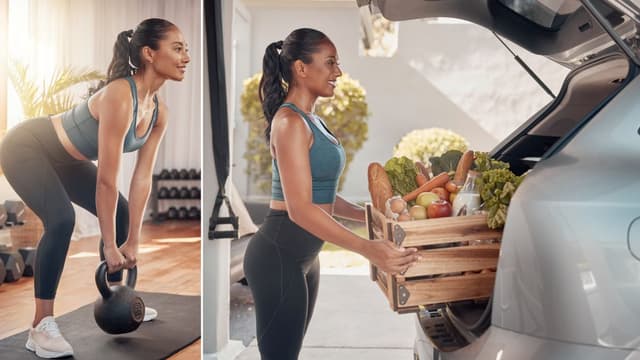
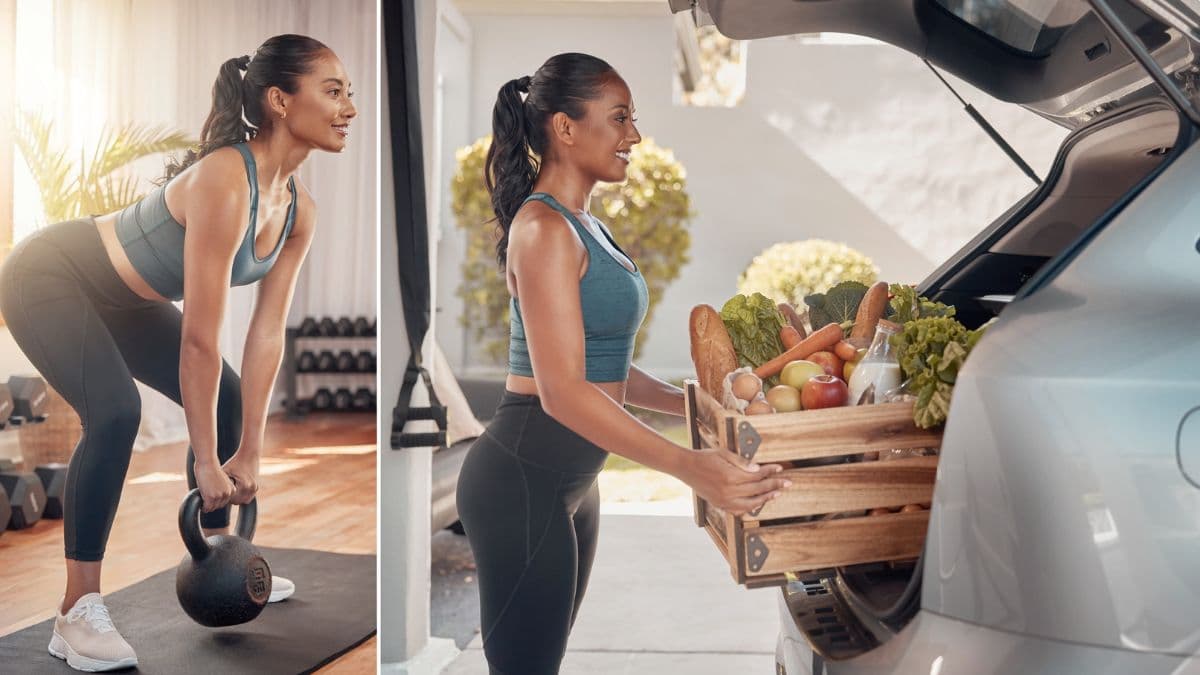
Carrying heavy grocery bags, climbing stairs without getting winded, lifting your child, or bending down to pick something up shouldn't feel like a workout. That's exactly where functional fitness makes a difference. Instead of training muscles for appearance alone, functional fitness prepares your body for the movements you perform every day. By improving strength, balance, mobility, coordination, and stability, it helps you move more efficiently, lowers your risk of injury, and makes everyday tasks feel easier. Whether you're just starting your fitness journey or looking to enhance your overall performance, functional fitness offers a practical approach that delivers benefits both inside and outside the gym.
What Is Functional Fitness?
If you are wondering what is functional fitness, think of it as practical strength training. It helps your body work as one unit. Instead of training one muscle at a time, you train many muscles together.
This approach includes movements like squats, pushes, and pulls. These are also known as functional training exercises. They copy real-life actions, which makes your body stronger in a useful way.
Functional movement fitness also improves balance and flexibility. It helps your body stay active and pain-free. You don’t just look fit. You actually feel fit.
Functional Fitness vs. Aesthetic Training
| Feature | Functional Fitness | Traditional Gym Training |
| Primary Goal | Improve movement for everyday activities | Build muscle size, strength, or aesthetics |
| Movement Pattern | Multi-joint, real-life movements | Often single-muscle isolation exercises |
| Muscles Used | Multiple muscle groups work together | Focuses on one muscle group at a time |
| Examples | Squats, lunges, farmer's carries, step-ups, push-ups | Bicep curls, leg extensions, chest flyes, tricep pushdowns |
| Improves | Balance, coordination, mobility, stability, and core strength | Muscle hypertrophy and targeted strength |
| Daily Life Benefits | Makes lifting, carrying, bending, reaching, and climbing stairs easier | May improve strength but doesn't always translate to daily movements |
| Suitable For | Beginners, seniors, athletes, office workers, and people recovering from inactivity (with professional guidance) | Gym-goers focused on bodybuilding or specific muscle development |
| Equipment Needed | Bodyweight, resistance bands, kettlebells, dumbbells, medicine balls | Machines, barbells, dumbbells, cable systems |
| Injury Prevention | Helps improve movement quality and joint stability, potentially lowering injury risk | Less emphasis on movement patterns unless combined with mobility training |
| Best For | Building strength that supports everyday life and long-term mobility | Developing muscle mass and targeted strength gains |
Many people train to look good. That is called aesthetic training. It focuses on muscle size and shape. You may work only on arms or abs in one session. But functional fitness focuses on movement. It trains your whole body together. It helps you perform better in daily life.
Here’s a simple difference:
- Aesthetic training focuses on looks
- Functional training focuses on movement
- Aesthetic workouts isolate muscles
- Functional workouts combine muscles
I used to follow only aesthetic workouts. I looked fit, but I did not feel strong. That changed when I switched my focus.
Functional fitness is all about getting your body ready for real-life movements, and many experts say it's very useful. Amanda Sterczyk, a certified trainer, says that "the key to living well—without injury or pain" is to do these workouts. This shows how they help with everyday movement, not just how you look.
CrossFit champion Rich Froning Jr. notes that "CrossFit prepares you for real life," which shows how functional training builds strength that can be used in real life. Jillian Michaels, a fitness coach, agrees with this method too. She says she trains the body "from as many different angles as possible," which is in line with the way functional fitness works.
Also read: Cold Plunge Guide: 10 Benefits, 5 Risks & How to Start Safely for Beginners
Why Functional Fitness Prevents Injury as You Age
Your body gets less flexible as you get older. Muscles get weaker. This increases the chance of injury. That’s why functional fitness is so important.
It strengthens joints and improves balance. This reduces the risk of falls. It also improves posture and flexibility.
Functional strength training helps your body handle stress better. It prepares your muscles for daily movements.
I noticed that my back pain reduced after I started this type of training. Even simple movements became easier. That is when I realized how powerful this approach is.
The 7 Fundamental Movement Patterns
These movements are the base of all functional training exercises. Learning them will improve your strength and daily movement. To understand these patterns better, watch this simple video. This video will help you see how each movement works in real life. It makes it easier to follow the exercises correctly.
1. Squat
The squat is one of the most important movements in functional fitness. It is used when you sit down or stand up. This movement mainly works your legs and core.
When you squat, your chest should stay up. Your back should remain straight. Your knees should move in line with your toes. This helps you avoid injury. Squats build strength in your thighs and glutes. They also improve balance. Over time, they make everyday movements easier. Even getting up from a chair becomes smoother.
You can start with simple bodyweight squats. Later, you can add weights like dumbbells. This movement is a key part of functional strength training because it trains your body for real-life actions.
2. Hinge
The hinge movement focuses on your hips. You use it when bending forward. For example, when picking something from the floor.
In this movement, your hips move back while your back stays straight. This protects your spine. It also strengthens your hamstrings and glutes. Deadlifts are a common hinge exercise. They are very effective. They help build strength in your lower body. People often bend incorrectly in daily life. This leads to back pain. Learning the hinge movement helps you avoid that. It teaches safe movement.
Hinge exercises are a core part of functional movement fitness. They prepare your body for real-life bending and lifting.
3. Push
Push movements train your upper body. They include your chest, shoulders, and arms. You use them when pushing objects.
Examples include push-ups and bench presses. These are simple but powerful exercises. A proper push movement keeps your body straight. Your core should stay tight. This reduces pressure on your lower back. Push exercises help you build strength for daily tasks. They improve stability and control.
They are an important part of functional training exercises because pushing is a common daily action. From opening doors to moving furniture, this movement is everywhere.
4. Pull
Pull movements are the opposite of push movements. They work your back and arms. You use them when pulling objects.
Exercises like rows and pull-ups are common examples. They help improve posture. They also strengthen your upper body. A strong back supports your spine. It reduces the risk of injury. It also helps with lifting heavy items. Most people ignore pull exercises. But they are very important. They balance your body strength.
Pull movements are a key part of functional strength training. They make your body stronger and more stable for daily activities.
5. Lunge
The lunge is a powerful lower-body movement. It trains one leg at a time. This improves balance and coordination.
You use lunges when walking or climbing stairs. They are very practical. Lunges strengthen your legs and glutes. They also improve joint stability. This helps prevent injuries. There are different types of lunges. You can do forward, reverse, or walking lunges. Each type offers unique benefits.
Lunges are important in functional movement fitness because they train your body to move in a natural way.
6. Carry
Carry movements are simple but very effective. They involve holding weight and walking. This is similar to carrying groceries or bags.
One common example is the farmer’s carry. You hold weights in both hands and walk. This movement builds grip strength. It also improves your core and posture. Carry exercises train your whole body. They improve endurance and stability.
They are a key part of functional training exercises because they directly match real-life activities.
7. Rotation
Rotation movements involve twisting your body. You use them in many daily tasks like turning or reaching.
These movements strengthen your core. They also improve flexibility and coordination. Exercises like Russian twists are helpful. They build strong and stable muscles. Rotation is important for full-body movement. It also helps prevent injuries.
It is a core part of functional movement fitness because it improves how your body moves in different directions.
Also read: 50 Sustainable Living Tips You Can Start Today (Organized by Impact Level)
4-Week Functional Training Plan
Week 1: Build the Basics
During the first week, you should concentrate on getting the form right. Don't hurry. Take your time to learn each move. Begin with basic functional training exercises like push-ups, lunges, and squats. Use only your body weight. This helps you learn how to control yourself.
Three times a week, you should train. Each session should only last 20 to 30 minutes. Pay attention to moving slowly and carefully. This helps your muscles learn how to do things the right way.
Listen to what your body is telling you. If something doesn't feel right, stop and fix it. This week, it's also important to get some rest. I remember wanting quick results when I first started. But taking it slow actually helped me get better faster. This week lays the groundwork for everything.
Week 2: Add Light Resistance
You can start using light weights in the second week. It could be dumbbells or bands that make you work harder. The goal is to make your muscles work a little harder.
Keep doing the same things over and over. But now, add a little bit of resistance. This makes things stronger and more stable. You can have four sessions a week instead of three. Make sure your workouts are balanced. Don't just focus on one thing.
This is when functional strength training starts to work. You will feel stronger when you do everyday things. Make sure you keep your form right. Don't lift heavy things yet. Pay attention to balance and control. It's important to be consistent here. Every day, making a little progress leads to big results.
Week 3: Combine Movements
Week three is about combining movements. This makes your workouts more dynamic. For example, you can do a squat followed by a push.
This type of training improves coordination. It also increases your heart rate. This makes your workout more effective. You can start doing circuit-style workouts. Move from one exercise to another with little rest.
This is where functional fitness becomes more challenging. Your body learns to handle multiple movements together. I remember feeling more confident during this stage. My movements felt smoother and more natural. Keep your sessions around 30–40 minutes. Stay consistent and focused.
Week 4: Increase Intensity
You can make things more intense in the last week. This means doing more reps or using weights that are a little heavier.
You can also work out for longer. Push yourself, but do it safely. Pay attention to all the ways you move. Make sure your workouts are even. Add squats, pushes, pulls, and carries.
This stage makes you stronger and more able to last. You will see real changes in your body.
At this point, functional fitness feels more natural. Your body gets used to the movements. Keep an eye on how you're doing. Notice how much easier daily tasks are now. That's what real success is.
Equipment Guide
You don’t need expensive machines for functional training exercises. Simple tools are enough.
- Dumbbells
- Resistance bands
- Kettlebells
- Chair or bench
These tools help you perform effective workouts at home.
Tracking Functional Fitness Progress
Tracking progress is very important. But it is not just about weight.
Focus on:
- Strength improvement
- Balance and stability
- Flexibility
- Ease of daily movement
I used to track only my weight. Now I track how easily I move. That made a big difference.
Age-Specific Variations
Functional movement fitness is good for people of all ages. You should change your workouts, though.
Younger people can work out harder. Adults should pay attention to their strength and joint health. Older people should work on their balance and flexibility.
The most important thing is to pay attention to your body. Don't go too far. You can always start with small things and get stronger over time. Intensity isn't as important as consistency. Even 15 to 20 minutes a day can make a big difference. Include movements that seem natural and comfortable. You can also change the exercises to fit your level if you need to. The point is not to beat other people, but to get better little by little. Your body will respond well if you are patient and work on it regularly.
Wrapping It Up
Real strength is about how you live your life. Functional fitness will help you move better and feel stronger every day. Start small and stick with it. You will see real change over time.
It's not about doing hard workouts or spending a lot of time in the gym. It's about picking the right moves and doing them often. Don't just think about how your body looks; think about how it feels. Over time, you'll feel more balanced, less pain, and confident of yourself in your daily life. Little changes add up. Be patient, trust the process, and keep going. Starting today and sticking with it will make your future self happy.
Want more easy, real-life fitness tips like this? Follow Logsday and start building a stronger, smarter lifestyle today!
Also read: How to Stop Emotional Eating: Understanding Triggers & Building a Healthier Relationship with Food
Sources
- https://pmc.ncbi.nlm.nih.gov/articles/PMC8450457/
- https://link.springer.com/article/10.1007/s11556-014-0144-1
- https://www.healthline.com/health/exercise-fitness/crossfit-benefits
- https://www.health.harvard.edu/exercise-and-fitness/Functional-fitness
- https://www.frontiersin.org/journals/physiology/articles/10.3389/fphys.2021.738878/full