
974
Have you ever seen people jump into ice-cold water and wondered why they do it? It may seem extreme, but cold plunging is quickly becoming a popular wellness habit. It sounds extreme, but the trend is growing fast. From athletes to everyday people, many are talking about cold plunge benefits and risks like it’s a life-changing habit. To be honest, I haven't tried it myself yet. I know a lot because I've done a lot of research, talked to experts, and read real user stories. But the science and experiences are so intricate that I had to make it as simple as possible for you.
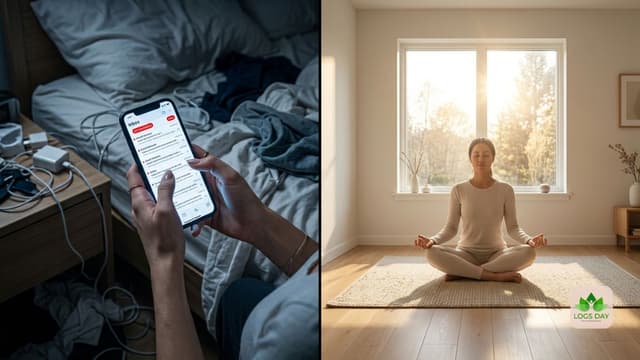
Does it really work? I read articles and studies for hours and even watched people tell their stories online. Personally, I prefer calm home yoga practice or doing simple beginner yoga poses, so the idea of freezing water seemed intense. But the more I learned about cold plunge benefits and risks, I became more and more interested. It's not just about how long you can last; it's also about how quickly you can recover, your mood, and even your mental strength.
What Is a Cold Plunge?
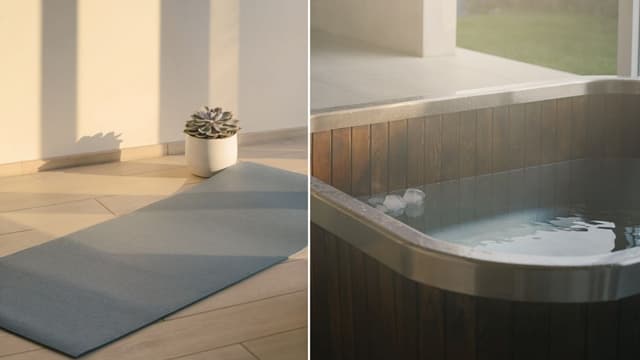
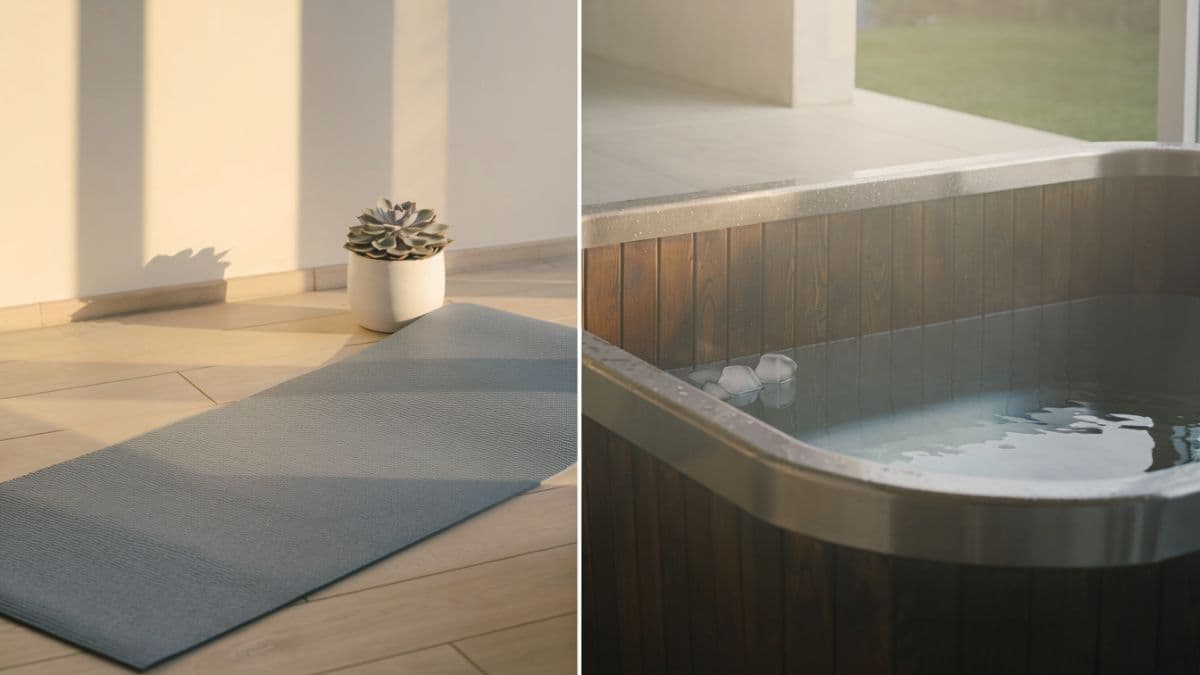
When you take a cold plunge, you put your whole body in cold water, usually between 50°F and 59°F (10°C and 15°C). Some people take ice baths, while others take cold showers or swim in natural water bodies.
It may feel uncomfortable, but the concept is simple—short exposure to cold water can trigger positive physiological changes in the body.
Physiologist Mike Tipton says that "cold-water immersion can trigger endorphin release and reduce inflammation, which may support mood and recovery." This shows that it could be good for both your mind and body. However, experts also highlight, though, that "cold water can be either good or bad... depending on the situation." They stress that results vary from person to person and level of exposure.
Also read: Vitamin C for Skin: Benefits, How to Use It, Best Forms & Common Mistakes
10 Cold Plunge Benefits
1. Reduces Muscle Soreness
After intense workouts, muscles often feel sore. Cold plunges reduce inflammation by constricting blood vessels and improving recovery. When you go outside, your blood flows more, which gives your muscles more oxygen. This process can help you get better faster and hurt less.
A lot of athletes take ice baths for this reason. Even if you do a simple yoga routine at home, your muscles can still get tired. A cold plunge could help your body heal faster and make you feel better the next day. It works best after a long workout or strength training session.
2. Improves Blood Circulation
Cold exposure forces your body to work harder to maintain its temperature. This improves blood circulation over time. When you get into cold water, blood moves away from the surface. Once you come out, it rushes back.
This process can support heart health and overall body function. Good circulation also helps your skin look healthier and more vibrant. While practices like yoga for flexibility improve internal balance, cold plunges focus more on circulation and physical response.
3. Boosts Mood and Reduces Stress
Cold plunges can make your body release endorphins, which are also known as "happy hormones." These chemicals can help you feel better and less stressed.
Some people say it even helps with mild depression and anxiety. I use breathing exercises and easy yoga poses to calm down, but studies show that being cold can also help. When you understand cold plunge benefits and risks, you realize it’s not just physical—it’s mental too.
4. Strengthens the Immune System
Cold exposure on a regular basis might help your immune system work better. Some research suggests that cold plunges can make your body make more white blood cells.
This means that your body might be better at fighting off infections. It won't replace a healthy lifestyle, but it can help you stick to one. Combining it with a balanced routine, like a yoga plan for beginners, can create a strong foundation for overall wellness.
5. Enhances Mental Toughness
It's not easy to step into cold water. It takes guts and self-control. This can help you get stronger mentally over time.
You learn how to stay calm when things get tough. You can also use this way of thinking to deal with problems in your daily life. I haven't tried it yet, but I can imagine how strong it must feel to get over that first shock. Compared to a gentle morning yoga routine, this is more intense but equally rewarding in its own way.
6. Supports Better Sleep
Cold plunges might make your nervous system work better. This can help you sleep better over time.
After being exposed, your body relaxes a lot, which can help you fall asleep faster. Many people say they feel more at peace and calm. I usually do stretching and yoga for beginners before bed, but cold plunging could be another natural way to get better sleep.
7. Aids in Fat Loss
When you're cold, your body can turn on brown fat. This kind of fat burns calories to make heat.
It won't magically help you lose weight, but it can help you reach your goals. It might help speed up your metabolism when you eat well and exercise regularly. Understanding cold plunge benefits and risks helps you see that it’s a supportive tool, not a shortcut.
8. Improves Skin and Hair Health
Cold water can make your skin tone look better and tighten your pores. It might also make your hair look shinier by sealing the cuticles.
Cold water helps keep your skin's natural oils, while hot water can dry it out. Over time, this can make your skin look healthier. When you drink enough water and stick to a good routine, this can help you get better results.
9. Reduces Inflammation
Inflammation is associated with many health issues. Cold plunges can help reduce it by calming the body’s response.
This is especially helpful for people with joint pain or swelling. Even if you prefer gentle movement like yoga, cold exposure can complement your routine by reducing internal stress on the body.
10. Increases Energy Levels
Cold plunges can give you a quick boost of energy. Cold water wakes up your body and mind.
It makes you feel more active by making you more alert and focused. Some people start their day with a cold plunge instead of coffee. It's a different kind of energy—one that comes from nature and lasts a long time.
Also read: Complete Lip Care Routine: How to Fix Dry, Chapped Lips for Good
5 Cold Plunge Risks
1. Shock to the Body
Sudden cold exposure can shock your system. Your heart rate could go up quickly.
This can be risky, especially for people who are just starting out. It's important to go in slowly and stay calm.
2. Risk of Hypothermia
If you stay in cold water for too long, your body temperature could drop to a dangerous level.
This is why timing is so important. Short sessions are safer and work better.
3. Breathing Difficulty
At first, cold water can make it hard to breathe. You might gasp or feel scared.
Learning how to breathe correctly can help control this reaction.
4. Not Safe for Certain Health Conditions
People with heart issues or high blood pressure should be careful.
Always consult a doctor before trying cold plunges if you have medical concerns.
5. Skin Irritation
Cold water can sometimes irritate sensitive skin.
If you notice redness or discomfort, it’s best to reduce exposure time.
How to Start Cold Plunging Safely
The secret is to start slowly. You don't need ice baths every day.
- Start with cold showers
- Keep the time between 30 seconds and 2 minutes
- Slowly make the time longer
- Pay attention to your steady breathing
- Be consistent, but pay attention to your body.
When I first explored cold plunge benefits and risks, I realized that safety is more important than intensity. It's better to take it slow than to push too hard.
Breathing Matters More Than You Think
Breathing is everything during a cold plunge. Slow, deep breaths can calm your body and reduce shock.
This is where yoga techniques really help. Practices from yoga for beginners teach you how to control your breath. You can use the same techniques here.
Try this:
- Inhale slowly through your nose
- Exhale gently through your mouth
- Focus only on your breath
It makes a big difference.
Morning vs Evening Cold Plunge
Plunges in the morning can help you feel more awake and focused. They help you get off to a good start in the morning.
Evening plunges can help your body relax, but some people may find them too stimulating.
As I already mentioned, I actually enjoy a calm morning yoga routine when it's quiet, so if I ever try cold plunging, I'd probably do it after that. According to research, most people seem to prefer and do better in the morning.
Cold Plunge + Yoga: A Smart Combination
Cold plunging and yoga can be good for you when done together.
- Yoga gets your body ready for exercise.
- The cold plunge cools it down.
- They work together to keep your system in balance.
You could try:
- Stretching lightly before a plunge
- Or a short home yoga practice after it
This combination can improve flexibility, recovery, and mental clarity.
Choosing What Works for You
Not everyone needs to do cold plunges. And that’s okay.
If you enjoy calm workouts like easy yoga poses, you might prefer staying in your comfort zone. I’m still someone who enjoys simple routines and hasn’t tried cold plunging yet. But understanding cold plunge benefits and risks helps you make an informed choice.
The goal is not to follow trends. The goal is to feel better.
So, Should You Try It?
Cold plunging is not just a fad. It's a powerful practice that can help you, but it also has real risks.
Take it easy at first. Be safe. Pay attention to your body.
You don't have to jump into ice water to stay healthy. Even small things can make a difference. Whether you choose cold plunging or stick to an easy yoga routine at home, what matters is consistency.
Explore more expert-backed wellness guides on Logsday to build a healthier and more consistent lifestyle.
Also read: Sugar Detox: 21-Day Plan to Break Sugar Addiction (With Meal Plans & Alternatives)
Sources
- https://www.webmd.com/a-to-z-guides/cold-plunge
- https://www.medicalnewstoday.com/articles/ice-bath-benefits
- https://www.healthline.com/health/are-cold-plunges-good-for-you
- https://www.advisory.com/daily-briefing/2025/10/16/cold-plunge
- https://www.mayoclinichealthsystem.org/hometown-health/speaking-of-health/cold-plunge-after-workouts