
2472
Creating a better home doesn’t require big money or drastic changes. The best sustainable living tips at home are simple, practical, and easy to follow. Start small and stay consistent. Over time, these actions become powerful habits that improve your lifestyle and protect the environment.
I still remember when I started following sustainable living tips. I began with something very simple—switching off unused lights and carrying my own bag. It felt small at first, almost like it wouldn’t matter. But slowly, it became a habit I enjoyed. Today, my home feels cleaner, calmer, and more meaningful.
What Is Sustainable Living?
Sustainable living means using resources wisely every day. It focuses on reducing waste and saving energy. You don't have to be perfect to start this journey. Even little things can have big effects over time. Simple eco-friendly tips can change your daily routine. Over time, these habits build a strong sustainable lifestyle. It also helps keep natural resources safe and makes you feel better overall. Anyone can start with small steps and get better over time.
High-Impact Tips (Big Results, Worth the Effort)
1. Use LED bulbs
Switching to LED bulbs is one of the easiest things you can do to make your home better. They use less electricity than regular light bulbs. You won't have to replace them as often because they last longer. This helps you save money and use less power. It is a small step that will help you with green living in the long run.
2. Use appliances that save energy
The point of energy-efficient appliances is to use less power every day. These products will help you save energy and money on your utility bills. Over time, this change has a big effect on the environment. It also makes your home work better. This is one of the most practical sustainable living tips at home to follow.
3. Fix Water Leaks Immediately
At first, a small water leak might not seem like a big deal. But in the long run, it can waste a lot of water. Fixing leaks right away helps save water and keep things from getting worse. It's a simple and cheap fix. This habit plays an important role in maintaining an eco-friendly home.
4. Install Low-Flow Fixtures
Low-flow fixtures cut down on water use without making things less comfortable. They are easy to set up and work well. You save water every day without having to change your routine. This adds up to big savings over time. It is a smart step for anyone who wants to reduce waste at home.
5. Start Composting
Composting helps turn kitchen waste into useful organic material. Instead of throwing food scraps away, you can reuse them for plants. This reduces landfill waste and supports a healthier environment. It is easy to start at home. Composting is one of the most effective zero waste tips.
6. Reduce Meat Consumption
Eating less meat is good for the environment. You can start by eating more meals that are based on plants. This not only helps the environment, but it also makes you healthier. Making small changes to your diet can make a big difference. It is a good step toward living a better life.
7. Air-Dry Clothes
Dryers use a lot of power, which raises your energy bills. It's natural and free to let clothes dry in the air. It also makes clothes last longer. Sunlight is a natural way to kill germs. This easy habit helps you save money and be more environmentally friendly in your daily life.
8. Insulate Your Home
Proper insulation makes sure that your home is comfortable all year long. It cuts down on the need for heating and cooling systems. This helps save energy and lowers the cost of electricity. It also makes the inside more comfortable. Insulation is a good long-term investment for a home that uses less energy.
9. Use Solar Energy
Solar energy is clean and renewable. Installing solar panels reduces your dependence on traditional electricity. Over time, it helps save money and energy. It also reduces your carbon footprint. This is one of the most powerful ways to create an eco-friendly home.
10. Avoid Single-Use Products
Single-use products create unnecessary waste every day. Items like plastic cutlery and packaging harm the environment. Switching to reusable options reduces waste significantly. It also saves money in the long run. This is one of the simplest yet most impactful sustainable living tips at home.
Also read: How to Stop Emotional Eating: Understanding Triggers & Building a Healthier Relationship with Food
Medium-Impact Tips (Easy Daily Habits)
11. Carry a Reusable Water Bottle
Using a reusable bottle cuts down on plastic waste. It also saves money on bottled water. This little habit is easy to keep up every day. It keeps you hydrated and is good for the environment. This simple step helps make your routine more sustainable over time.
12. Use Cloth Shopping Bags
Cloth bags are strong, reusable, and easy to carry. They replace plastic bags completely. Keeping one with you avoids unnecessary waste. It is a simple habit that quickly becomes natural. This is a great way to reduce waste at home.
13. Buy in Bulk
When you buy in bulk, you throw away less packaging. It also helps you save money over time. You can store things in a way that makes them last a long time. This cuts down on the number of times you have to go shopping. It is a smart and efficient habit for a sustainable lifestyle.
14. Plan Your Meals
Meal planning helps you avoid food waste. You only buy what you actually need. It also saves time and reduces stress. Proper planning keeps your kitchen organized. This habit is practical and eco-friendly.
15. Turn Off Electronics
Many devices use power even when not in use. Turning them off completely saves electricity. It also extends the life of your devices. This is a simple daily habit. It contributes to energy conservation.
16. Use Natural Light
Natural light reduces the need for artificial lighting. Open windows and curtains during the day. It also improves your mood and energy. This habit is simple but effective. It helps reduce electricity use.
17. Wash Clothes in Cold Water
Cold water washing saves energy. It also protects fabric quality. Most detergents work well in cold water. This small change makes a big difference. It is easy to adopt daily.
18. Reuse Containers
Reusing containers reduces the need to buy new ones. Glass jars and boxes are useful for storage. This habit saves money and reduces waste. It is simple and practical. It supports a sustainable routine.
19. Support Local Products
Local products require less transportation. This reduces carbon emissions. They are often fresher and better quality. Supporting local businesses also helps communities. It is a responsible choice.
20. Use Eco-Friendly Cleaners
Eco-friendly cleaners are safer for your home. They reduce exposure to harmful chemicals. Many natural options work effectively. This is a healthy and smart choice. It supports sustainability.
Low-Impact Tips (Start Today)
21. Use Both Sides of Paper
Using both sides of paper reduces waste easily. It helps save resources and lowers unnecessary consumption. This habit is simple and requires no effort. It can be followed at home and work. Over time, it significantly reduces paper usage and supports environmentally responsible behavior.
22. Carry Your Own Cup
Carrying your own reusable cup helps reduce disposable waste. Many coffee shops encourage this habit. It is easy to maintain and very practical. This small step adds up over time. It supports a cleaner and more sustainable environment.
23. Say No to Straws
Plastic straws are harmful to the environment. Avoid using them whenever possible. If needed, choose reusable alternatives. This is a very easy habit to adopt. It helps reduce unnecessary plastic waste.
24. Repair Instead of Replace
Repairing items instead of replacing them reduces waste. It also saves money. Many things can be fixed easily. This habit encourages mindful consumption. It is a practical approach to sustainability.
25. Use Rechargeable Batteries
Rechargeable batteries last longer than regular ones. They reduce electronic waste significantly. You save money over time. This is a simple switch. It supports long-term sustainability.
26. Turn Off Tap While Brushing
Turning off the tap while brushing saves water daily. It is a very simple habit. It requires no extra effort. Over time, it saves a large amount of water. This is a basic but powerful step.
27. Donate Unused Items
Donating items you no longer use reduces waste. It also helps people in need. This is a simple and meaningful action. It creates a positive impact. It also keeps your home clutter-free.
28. Avoid Overbuying
Buying only what you need reduces waste. It also saves money. This habit helps avoid clutter. It encourages mindful shopping. It is simple but very effective.
29. Keep Indoor Plants
Indoor plants improve air quality naturally. They also make your home more pleasant. They require minimal care. This is a simple way to support green living. Plants also improve mood.
30. Use Matches Instead of Lighters
Matches are more eco-friendly than plastic lighters. They create less waste. This is a small but meaningful switch. It is easy to follow daily. Every small change matters.
Also read: Calorie Deficit Explained: How to Calculate Yours & Lose Weight Safely
Extra Tips
31. Use Cloth Napkins
Cloth napkins replace disposable tissues effectively. They are reusable and easy to wash. This reduces daily waste. It is a simple habit to adopt. It also saves money over time.
32. Avoid Fast Fashion
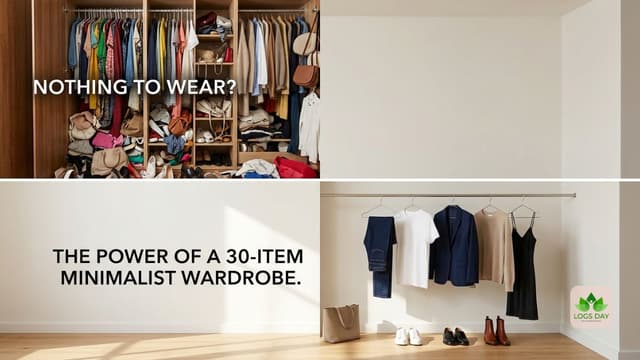
Fast fashion creates large amounts of waste. Choose quality over quantity. Buy fewer clothes that last longer. This reduces environmental impact. It also saves money.
33. Share or Borrow Items
Sharing items reduces unnecessary purchases. Borrow things you rarely use. This saves money and space. It also reduces consumption. It is a smart and practical habit.
34. Use Refillable Products
Refillable products reduce plastic waste. They are easy to use and cost-effective. Many brands offer refill options. This reduces packaging waste. It is a simple eco-friendly step.
35. Store Food Properly
Proper storage helps reduce food waste. It keeps food fresh for longer. Use airtight containers for better results. This habit saves money. It also supports sustainability.
36. Make DIY Cleaners
DIY cleaners use natural ingredients. They are safe and affordable. Vinegar and baking soda work well. This reduces chemical use. It is a simple eco-friendly habit.
37. Avoid Packaged Foods
Packaged foods create more waste. Choose fresh and unpackaged items. They are healthier too. This reduces plastic use. It is a smart habit.
38. Reduce Paper Towels
Use cloth instead of paper towels. They can be washed and reused. This reduces waste significantly. It is easy to follow daily. It also saves money.
39. Walk or Cycle
Walking or cycling reduces fuel use. It also improves health. Use it for short distances. This reduces pollution. It is a simple lifestyle change.
40. Unplug Chargers
Chargers use energy even when idle. Unplug them when not in use. This saves electricity. It is a very easy habit. Small steps make a big difference.
41. Freeze Leftovers
Freezing food prevents waste. It allows you to use it later. This saves money and resources. It is easy to do. It improves kitchen efficiency.
42. Use Digital Bills
Digital bills reduce paper waste. They are easy to store and access. This reduces clutter. It is convenient. It supports sustainability.
43. Choose Minimal Packaging
Choose products with less packaging. This reduces waste at the source. It is a smart shopping habit. It is easy to follow. It supports eco-friendly living.
44. Recycle Properly
Proper recycling ensures materials are reused. Separate waste correctly. Follow local guidelines. This improves recycling efficiency. It supports sustainable living.
45. Buy Durable Products
Durable products last longer. They reduce the need for replacements. This saves money and reduces waste. It is a smart investment. Quality matters.
46. Use Natural Air Fresheners
Natural air fresheners are safer. Use plants or essential oils. Avoid chemical sprays. This improves indoor air quality. It is a simple change.
47. Limit Online Orders
Online orders create packaging waste. Combine orders when possible. Avoid unnecessary purchases. This reduces waste. It is a mindful habit.
48. Teach Kids Sustainability
Teach children simple eco habits. They learn quickly. Make it fun and engaging. This builds long-term awareness. It creates responsible future adults.
49. Track Your Waste
Tracking waste helps you stay aware. You can reduce it gradually. This builds better habits. It keeps you motivated. It shows real progress.
50. Start Small and Stay Consistent
You do not need to do everything at once. Start with one simple habit and build from there. Consistency is more important than perfection. Over time, these habits become part of your routine. This is the true power of sustainable living tips at home.
Measure Your Impact
Measuring your progress helps you stay motivated and aware. You can track your waste, water use, and electricity bills regularly. Small improvements show real results over time. Try to set simple goals and improve gradually. When you follow sustainable living tips at home, tracking becomes easier. It also helps you stay consistent. Every small success builds confidence. This keeps your journey exciting and meaningful.
Build a Family Sustainability Plan
Sustainability becomes easier when everyone participates. Start by discussing simple habits with your family. Assign small tasks to each member. Make it fun with small challenges. Encourage children to learn and participate. When everyone follows sustainable living tips at home, results improve faster. It builds strong and lasting habits. A shared effort creates a better future for all.
Expert Insights on Sustainable Living
The United Nations Environment Programme says, "Living sustainably at home doesn't have to be perfect—small, consistent changes can have a big impact on the environment." They stress being mindful of what you buy and throwing away less. Researchers from Harvard T.H. Chan School of Public Health also say that "reducing energy use and choosing plant-based meals can improve both planetary and personal health." The World Wildlife Fund notes that, "Simple actions like saving water and using less plastic can have a big positive effect when done by many people."
Also read: Blue Zone Secrets: 12 Longevity Lessons from the World’s Longest-Living People
A Greener Tomorrow Starts Today
You don't have to be perfect to live in a way that is good for the environment. In the long run, every little thing counts. Start with easy habits and add more over time. Be patient and stick to your progress. When you follow sustainable living tips at home, your lifestyle improves naturally. Your house gets cleaner and more organized. You also feel more aware and responsible. Every day, keep learning and growing.
Start your journey toward a smarter and greener lifestyle with LogsDay—where simple ideas turn into powerful daily habits.
Sources
- https://www.purdueglobal.edu/blog/student-life/45-sustainability-resources/
- https://www.cbs.de/en/blog/sustainable-living-tips-for-a-more-sustainable-lifestyle
- https://indianexpress.com/article/lifestyle/life-style/5-simple-tips-to-make-your-home-eco-friendly-6489571/
- https://www.biologicaldiversity.org/programs/population_and_sustainability/sustainability/live_more_sustainably.html
- https://www.windermere.com/blog/7-tips-for-sustainable-living-at-home