
903
Your home isn’t messy – its poorly organized. Learn how clutter forms, why it feels overwhelming, and just minor changes or strategies to create more calmer living space.
Key Takeaways
- Poor organization creates stress and visual overload
- Small changes can transform the overall vibe of your home
- Visual clutter can affect mood, focus and overall well-being
You look around your house and wonder, why does it always feel messy? Dirty clothes lying on the chair, make up cluttered on your table, papers on the table and random items in every corner of the house.
The truth many people don’t hear often: your home isn’t messy – it’s poorly organized. We all have different standards of how we wish to maintain our home. There’s nothing wrong with you, your space just isn’t working the way it should.
Clutter Is a Sign Something Isn’t Working
When most of our items repeatedly end up on chairs, side table, or floors, your home is giving you signs. It’s basically giving you indications where organization is lacking to support your daily life activities. When your storage doesn’t match with your daily life chores, things obviously start piling up everywhere visible in your home. This is exactly why your home isn’t messy – its poorly organized. Once you structure your home according to your needs and activities, it becomes a lot easier to maintain without the worry of constant cleaning.
Also read: Organizing Hacks Professional Designers Swear By
Why Disorganization Feels Mentally Heavy
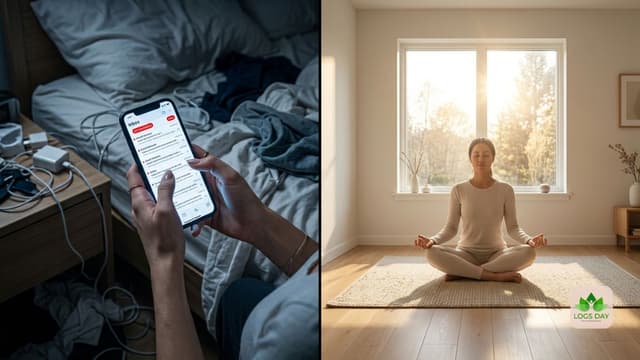
A disorganized home just doesn’t feel unappealing- but also affects how you feel. Visual clutter makes you feel uneasy and disturbed. Your brain somehow constantly processes ongoing tasks. Unfinished tasks like –
- Clothes that need folding
- Items that need to be kept in designated spaces
- Piles that need sorting
Constant procrastination creates low-level stress, even when you are resting. Some studies have shown that clutter can genuinely affect your brain health. It can increase your cortisol level which controls your stress hormone which makes it harder for you to relax or feel calm. Have you experienced the instant soothing feeling when you enter a tidy hotel room? This is the power of a clean space. It can elevate your mood instantly. And often, your home isn’t messy – its poorly organized, which is why that mental heaviness builds up.
The Hitch: Storage That Doesn’t Match Your Life
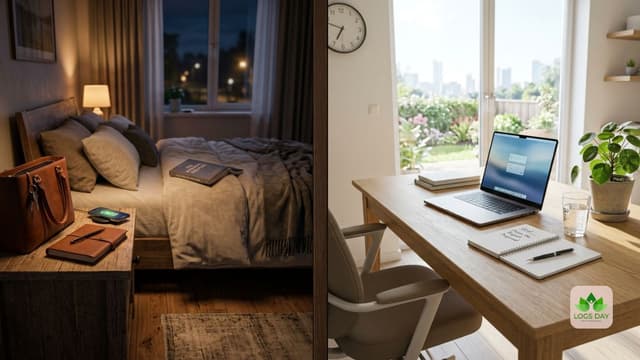
Its difficult for most of the people to stay organized every time because our storage is designed meant to keep things, not our behavioral pattern that matches with our daily lives. For example, when you return from work, you keep your handbag on your table, because there’s no shelf or dedicated space. You pile up your dirty clothes because the closet feels inconvenient. You keep your items on tables, counters because your drawers are overstuffed.
Hence, instead of blaming yourself, it’s better to look at the overall setup of your home first.
Also read: How to Make a Rented Apartment Feel Like Home
Decluttering and Organizing Isn’t the Same
Decluttering helps you to get rid of what you don’t need. Organizing is about making everyday life easier. Have you ever felt overwhelmed while you were cleaning your space and ended up in stack of old clothes, random items, chargers, keys, forgotten papers, random clutter? It’s not just about cleaning – it’s about letting go of things that you no longer need. When your organization suits your daily life activities, clutter reduces naturally without the need of constant cleaning, because your home isn’t messy – its poorly organized.
Why a Clean Home Can Still Feel Disorganized
Cleaning basically focuses on how the space looks, but organizing creates the system to make things work. Even after wiping the surface, you can still feel mentally cluttered if your drawers, cabinets and storage spaces are overfilled. Proper organization brings clarity.
When you have a proper defined space that suits your daily routines, the overall vibe of your home starts to feels relaxing and easier to maintain.
Even small changes can make a big difference. You don’t need a drastic makeover. You can simply start by:
- Creating a drop zone near the entrance to keep your bags and keys.
- Use open dustbins in your bedroom
- Store necessary items where you actually use them
Think of all of the above in terms of daily support, not rules.
Also read: The Only Home Maintenance Checklist You’ll Ever Need for a Safe & Cozy Home
Make Small Changes with Functionality, Not Perfection
One of the biggest mistakes people make is trying to organize home solely based on appearance instead of functionality. In this age of social media, we are easily carried away by picture-perfect homes with matching shelves and other cabinets. While those areas are important aspects of appealing home, but those systems may not suit with your daily life.
Ask yourself:
- Does this setting make my day easier?
- Can I maintain my home without unnecessary stress?
- Does this system match with the daily routine?
Prioritizing functionality leads to a more sustainable system, while organizing based only on appearance can become exhausting and hard to maintain.
Well Organized Home with System Reduces Exhaustion
Every single day, your brain has to make thousands of small decisions. When your living space is jumbled, it adds more stress:
- Where should this item go?
- Should I keep this item or discard?
- Where did I keep that item?
This constant cycle of questioning is not only mentally tiring but also emotionally draining. When you’re repeatedly making a decision where things belong or looking for misplaced items, your brain remains in constant problem-solving mode instead of relaxing. Overtime, this can reduce your patience, focus and affect your mood.
Also read: Eco-Friendly Home Renovations: Small Changes, Big Difference
What Experts Say about Organizing Home the Right Way
Marie Kondo, organizing consultant and author, states that “clutter is a sign of postponed decisions”
Psychologist Dr. Dawn Potter explains that cluttered space can make you stressed by constantly reminding the brain of unfinished tasks.
Researchers has linked disorganized spaces with higher level of stress and reduced focus, emphasizing the importance of organization for emotional balance.
Read more on lifestyle and home improvement guides on logs day to build a safe space that feels more structured, peaceful, and easy to maintain.
Sources
- https://www.nuvancehealth.org/health-tips-and-news/how-clutter-affects-your-brain-health
- https://wellarrangedhome.com/why-your-home-feels-messy/
- https://theconversation.com/why-is-a-messy-house-such-an-anxiety-trigger-for-me-and-what-can-i-do-about-it-211684
- https://www.psychologytoday.com/us/blog/high-octane-women/201203/why-mess-causes-stress-8-reasons-8-remedies