
1256
Avoid common home layout mistakes that make rooms look smaller. Learn smart layout, lighting, and storage tips to make your home feel bigger.
Key Takeaways:
- Smart Layout Choices Make Spaces Feel Bigger
- Small Layout Mistakes Can Shrink Any Room
- Simple Design Fixes Create More Space
Have you ever walked into your house and thought it looked too small? You might clean a lot, but the room still feels small. This has more to do with how the space is set up than how big it is. A lot of people don't know how important it is to put furniture in the right places. If the layout is wrong, even a nicely decorated home can feel small. In this guide, we’ll explore common home layout mistakes that silently make rooms look smaller and harder to live in.
Think about your own home while you read. Imagine each room and pay attention to what makes you feel bad. The best part is that most problems with the layout are easy to fix. You don't need to spend a lot of money on new furniture or renovations. You just need to make better choices. Let's go through them together, one at a time.
1. Using Oversized Furniture Without Thinking
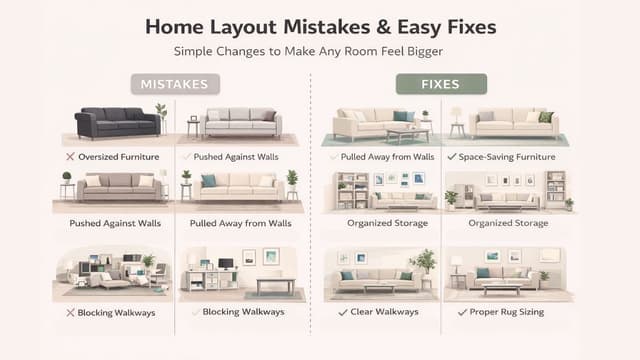
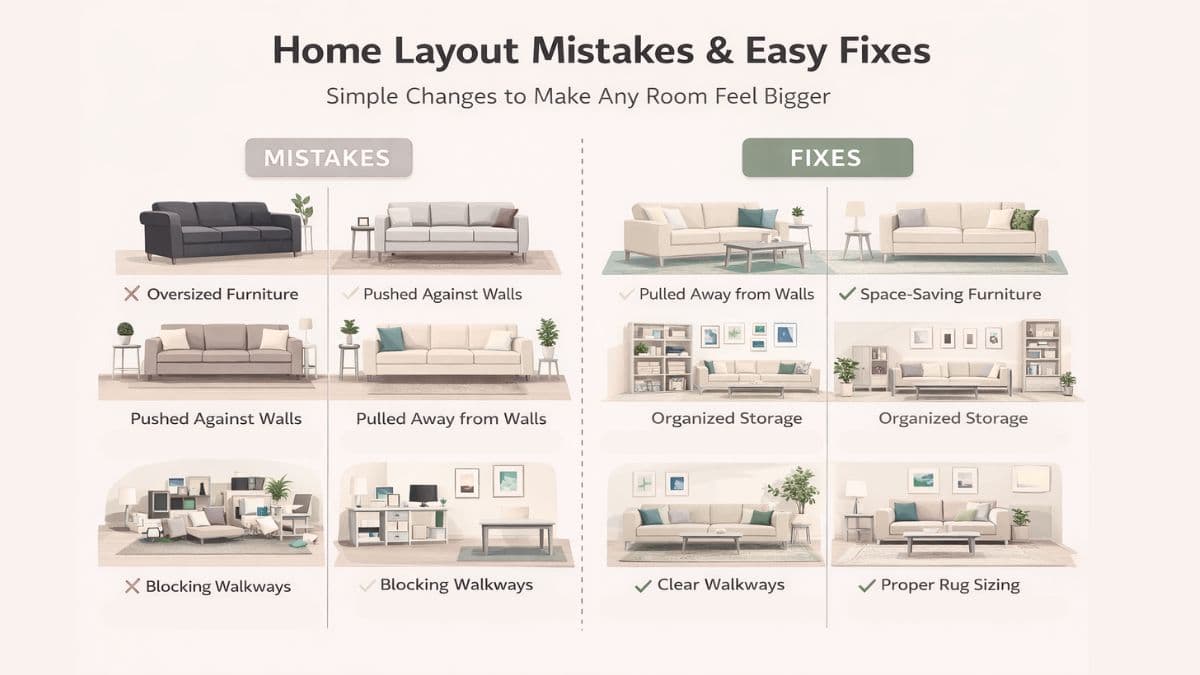
In stores, big furniture looks great, but homes are very different from showrooms. Big couches, king-size beds, or big cabinets can quickly take up a lot of space. This is one of the most common small space design mistakes people make without realizing it. Big pieces of furniture make it hard to move around and make rooms feel heavy. It can also block out natural light and make corners seem dark. The room starts to feel cramped instead of cozy over time.
What you can do
Choose furniture that saves space and fits your room scale. In smaller homes, slim sofas, chairs without arms, and small tables are much better. Furniture with legs is helpful because it makes the floor space visible, which makes a room feel open. You could also try furniture that can be used for more than one thing, like storage benches. Always take careful measurements of your room before you buy. Think about whether the furniture makes it easy to move around it.
Also read: 7 Wellness Trends of 2026 That Will Revolutionize Your Mind and Body
2. Pushing All Furniture Against the Walls
Many people believe pushing furniture against walls makes rooms look bigger. Surprisingly, this is one of the most repeated common home layout mistakes. The room feels flat and unbalanced when everything is pushed against the wall. It also makes seating areas feel strange and out of place. The room may feel empty in the middle and crowded at the edges instead of open. This often makes the layout uncomfortable.
What you can do
Pull furniture slightly away from the walls to create depth. Even a small gap can change how the room feels. Use layout tips for small rooms like grouping furniture to form a clear seating area. A rug or coffee table can help define this space. This approach improves flow and makes the room feel intentional. Try small changes first and adjust slowly.
3. Ignoring Natural Light
Light is one of the best things you can use to design your home. Rooms that don't get enough light usually feel smaller. People often make the mistake of blocking windows with heavy curtains or tall furniture in small spaces. Dark rooms can feel small, boring, and uninviting. Bad lighting can also change your mood and make you feel less comfortable. Without the right light, even beautiful decorations can lose their charm.
What you can do
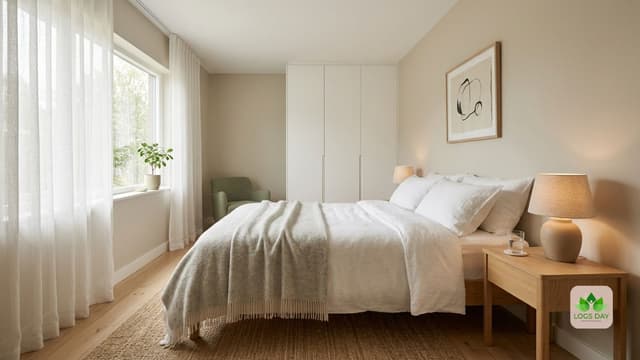
Aim for a light and airy interior design by letting sunlight flow freely. Use sheer curtains or blinds that can be fully opened. Place mirrors across from windows to reflect light. Light wall colors help bounce brightness around the room. Good lighting instantly shows how to make a room look bigger without changing the layout.
4. Choosing the Wrong Rug Size
Rugs are a big part of how a room feels. If the rug is too small, it can make the room look bad. This is one of the most common home layout mistakes in living rooms and bedrooms. Small rugs make it look like the furniture isn't connected. They also make rooms feel small and crowded. A lot of people pick out rugs based only on their price or pattern, not their size.
What you can do
Understanding proper rug sizing for small rooms can completely change the space. Pick a rug that fits under the front legs of big pieces of furniture. This makes everything look the same. The room feels more open and balanced with a bigger rug. Always check the size first when you shop. Bigger rugs usually have a bigger effect on the eye.
5. Too Much Stuff, Too Little Storage
Clutter is the fastest way to shrink any room. Too many items create visual stress and make spaces feel messy. This is one of the most damaging small space design mistakes. If there are too many stylish things in a room, it can feel cluttered. Cleaning is harder and moving around is uncomfortable when there is a lot of stuff around. The room feels cramped and messy after a while.
What you can do
Focus on decluttered small space design by keeping only what you use often. Everything else should be stored or removed. Use vertical storage ideas like tall shelves or wall cabinets. Vertical storage frees up floor space and helps you maximize small living spaces. Make storage part of your décor so it looks neat and intentional.
Also read: Lifestyle Innovation News Highlights: The Smart Home Gadgets Worth Watching
6. Blocking Walkways and Natural Flow
When furniture gets in the way of movement, rooms feel smaller right away. When you have to squeeze past chairs or tables, it makes you uncomfortable. This is another overlooked common home layout mistake. Bad flow makes it hard to move around every day. It also makes the room feel crowded and small. Good design should make it easy to move around, not block it.
What you can do
Always keep clear walking paths between doors, windows, and furniture. Use layout tips for small rooms like arranging furniture parallel to walls. In tight spaces, tables with rounded edges work better than those with sharp edges. After you move things around, walk around your room. The layout is working if movement feels smooth.
7. Not Thinking Vertically
Many homes waste wall space by focusing only on the floor. This leads to cluttered rooms and unused height. Ignoring walls is one of the most common small space design mistakes. Floor-level storage fills rooms quickly. Meanwhile, empty walls make rooms feel unfinished. Vertical thinking helps balance space better.
What you can do
Use vertical storage ideas like floating shelves, wall hooks, and tall bookcases. This pulls the eye upward and creates height. Vertical lines help show how to make a room look bigger visually. It also keeps the floor open and easy to clean. Choose light-colored shelves for a softer look.
8. Using Too Many Dark Colors
Dark colors can look stylish but can shrink rooms if overused. Dark walls, floors, and furniture together can make a space feel heavy. This becomes a common home layout mistake when balance is ignored. Small rooms need contrast and light. Without it, rooms feel closed in and dull.
What you can do
Balance dark shades with light ones for a light and airy interior design feel. For walls and big pieces of furniture, use light colors. Dark colors are the best for accents. Deeper colors look great on cushions, artwork, or small decorative items. This keeps the room open and still looks good.
9. Forgetting Multi-Functional Furniture
Single-use furniture takes up more space than needed. This often becomes one of the most practical common home layout mistakes. In small homes, every piece should have a reason to be there. Furniture that only has one use makes it harder to be flexible. It also makes it harder to find places to store things.
What you can do
Choose furniture that saves space and does more than one job. Beds with storage, foldable tables, and storage ottomans are great options. These pieces help you maximize small living spaces easily. They also keep rooms tidy. Smart furniture makes daily living smoother.
Also read: Why 10K Steps a Day for Winter Weight Loss Might Be Your Best Strategy This Season
10. Overdecorating Every Corner
A room can look cluttered very quickly if it has too much decor. The room feels busy when every corner is filled. This is another common mistake people make when designing small spaces. When there are too many beautiful things, they lose their effect. Rooms need space to breathe to feel peaceful.
What you can do
Stick to a few meaningful décor items. Leave some areas empty on purpose. A decluttered small space design feels peaceful and open. Empty space helps highlight what truly matters. Remember, simplicity creates comfort.
Expert Insights: Furniture Scale Mistakes
One of the most common mistakes that makes a room look smaller is picking furniture and decorations that don't fit the room's size. Bethany Adams, an interior designer, says, "The number one mistake I see people making is buying furniture that is too big for the room, like huge living room sofas and chairs." She says that furniture that is too big can block sightlines and make even big rooms feel small. Instead, designers often suggest using pieces that are the right size and letting key items, like rugs, anchor the space together. This makes the space look bigger and more open.
To keep your home feeling open and welcoming, avoid making layout mistakes like blocking walkways or cramming too many things into a room.
It’s Not the Size, It’s How You Use It
Avoiding common home layout mistakes is about awareness, not perfection. Your home will feel lighter and more comfortable when you change the layout. Pay attention to light, flow, smart furniture, and getting rid of things you don't need. Even small changes can have a big effect. Your home should make your daily life easier.
Discover more smart home, lifestyle, and wellness insights curated for modern living—only on Logsday.
Also read: Top Healthy Office Lifestyle Tips to Stay Energized All Day Long
Sources
https://www.maximumgratitudeminimalstuff.com/2025/08/mistakes-that-make-your-house-seem-smaller.html
https://www.homesandgardens.com/interior-design/whole-house-layout-mistakes
https://www.housegyan.com/blog/common-design-mistakes-that-make-homes-look-smaller