
772
I still remember visiting my grandma during summer breaks. She had constant back pain. Nights were the hardest for her. She would keep turning from one side to another, trying to find comfort. I didn’t understand it much back then, but I noticed something important. The way she slept changed how she felt in the morning. On days she found a good position, she smiled more. On other days, the pain made everything harder.
That memory stayed with me. And now, I know that the sleeping position for back pain is not just a small detail; it can change your entire day. If you wake up with stiffness or soreness, your sleeping posture might be the reason.
People often deal with back pain daily. Long work hours, screen time, and poor posture all add up. But sleep is your chance to heal. The right position can reduce pressure on your spine and relax your muscles.
In this article, we will explore simple and practical ways to sleep better. You don’t need anything fancy. Just small changes that make a big difference.
Why Your Sleeping Position Matters
Your spine has a natural curve. When you sleep in a bad posture, it puts stress on your back. Over time, this can increase pain and stiffness. That is why choosing the right sleeping position for back pain is so important.
When your body is aligned, your muscles can relax. Blood flows better. Your body repairs itself while you sleep. But if your spine is twisted or unsupported, your body stays tense all night.
Here are a few things that can affect your sleep posture:
- Your mattress quality and firmness
- The type of pillow you use
- Your usual sleeping habits
- Existing health issues like chronic lower back pain
Also, many people don’t realize that even small habits matter. For example, sleeping with one leg bent awkwardly or using too many pillows can disturb your alignment. If you often wake up tired or sore, it is a sign your body is not resting properly. Fixing your posture at night can improve not just your back, but also your mood and energy levels.
The Mayo Clinic says that "putting a pillow between your knees can help align your spine, pelvis, and hips" when you sleep on your side, which can ease pressure on your lower back. Sleep experts point out that sleeping on your side is "generally the best position" because it keeps the spine neutral and relieves pressure points.
Orthopedic experts also warn against stomach sleeping, with one stating it is the “least favorable due to increased spinal stress”.
Best Sleeping Positions That Actually Help
Let's talk about what works best. The goal is to keep your back straight. This means you don't need to bend or twist any more. Finding the right sleeping position for back pain can give your body the support it needs.
Here are some of the best choices:
- Laying on your back with a pillow under your knees
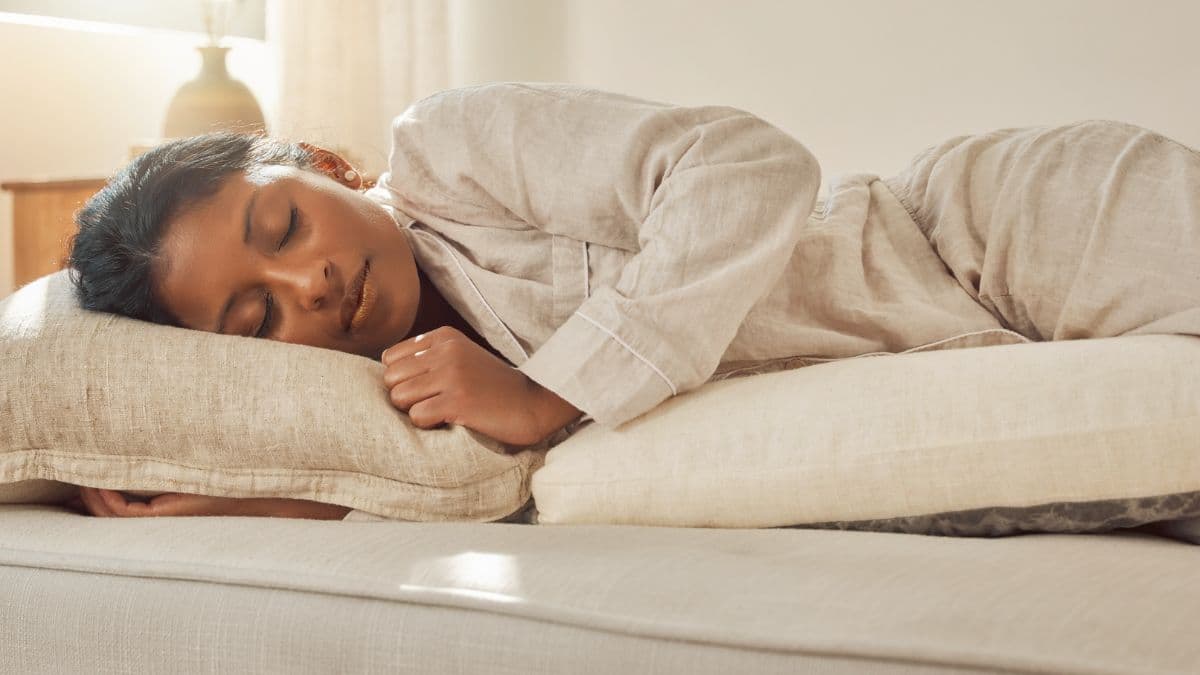
- Laying on your side with a pillow between your knees
- Putting a small rolled towel under your lower back
- Using the right pillow to keep your head in line with your spine
People often say that sleeping on your back is the best. It balances out your weight. Putting a pillow under your knees takes pressure off your lower back.
It's also great to sleep on one side, especially for people with side sleeping for back pain concerns. It keeps your spine straight if you do it right. Don't sleep on your stomach. It puts too much stress on your back and neck. Put a pillow under your hips if you need to ease the pressure.
At first, these little changes may feel different. But your body will get used to it quickly. And the relief is worth it.
Also read: When to Take Digestive Enzymes: Simple Timing Tips for Better Digestion
Choosing the Right Mattress and Pillow
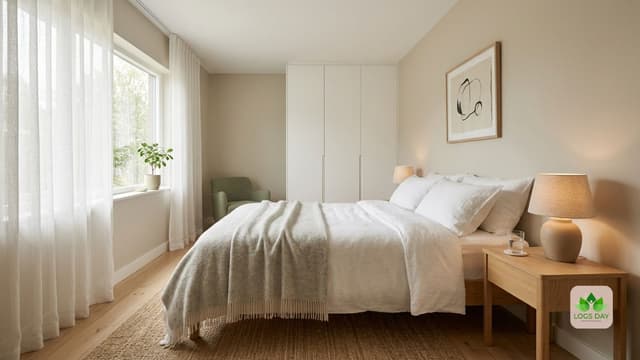
Your bed setup plays a huge role in how you sleep. Even the best sleeping position for back pain won’t help if your mattress is too soft or too hard.
A good mattress should be comfortable and support your spine at the same time. A medium-firm mattress is what a lot of experts say will give you better support. It helps keep things in line without putting pressure on them.
Here are some ways to make your sleep setup better:
- Pick the best mattress for back pain with medium firmness
- Use a pillow that naturally supports your neck
- Change out old mattresses every 7 to 10 years
- Stay away from pillows that are too high or too flat
Pillows are just as important. Your head shouldn't lean too far. It should stay in line with your back. A thicker pillow works better if you sleep on your side. If you sleep on your back, choose a thinner one. Don't forget about small changes, too. Changing the height of your pillow can even help with pain.
It's not a luxury to spend money on the right sleep setup. It is good for your health.
Common Mistakes That Make Back Pain Worse
Sometimes, we unknowingly make choices that increase pain. Even if you think you are using the right sleeping position for back pain, small mistakes can undo the benefits.
Here are some problems you should stay away from:
- Sleeping on a mattress that is too old
- Putting too many pillows under your head
- Twisting your spine while you sleep
- Ignoring proper spine alignment during sleep
Another mistake is staying in the same place for too long. Your body needs to move a little bit. Instead of staying in one position all night, try changing your position gently when you wake up in pain.
People often forget how important consistency is. One good night won't make everything better. You should practice good habits every day. If your pain doesn't go away, it may be a sign that you need to follow proper back pain relief tips along with improving your sleeping posture. Stretching, exercising, and standing up straight during the day are also important.
Sleep is just one part of a bigger picture. Your body feels better when everything works together.
Simple Tips to Improve Sleep Quality
Good sleep is not just about position. It is also about comfort and routine. The right sleeping position for back pain works best when combined with healthy habits.
Start by creating a relaxing bedtime routine. Avoid screens before sleep. Make sure your room is cool and quiet. These little things help your body relax more quickly.
You could also try stretching gently before bed. It loosens tight muscles and prepares your body for rest. This is especially helpful for people looking for practical lower back pain sleeping tips to improve comfort and reduce strain during the night.
Pay attention to how you feel in the morning. If you wake up refreshed, your setup is working. If not, try making small changes and see what works best.
Drinking enough water and moving around every day are also important. Sitting for long hours can worsen back pain. During the day, try to stay busy. There is no one-size-fits-all solution. Your body is one of a kind. Listen to it. Make changes slowly.
Over time, you will find what works best for you. And just like my grandma, you'll notice a difference in the mornings.
Better Sleep, Better Life
Back pain can feel overwhelming. But the solution is often simpler than we think. The right sleeping position for back pain can bring real relief. It may take a few days to adjust, but the results are worth it.
Start small. Change one thing at a time. Maybe your pillow. Maybe your position. Maybe your mattress. These steps may seem simple, but they can improve your life in a big way. Sleep is your body’s time to heal. Give it the support it needs.
Want more simple tips that actually make life easier? Explore more helpful reads on Logsday and start feeling better every single day.
Also read: Functional Fitness: What It Is, Why It Matters, and How to Train for Real Life
Sources
- https://spinebodyhealth.co.uk/back-pain-sleeping-positions/
- https://kingsspinecentre.com/how-to-sleep-with-lower-back-pain/
- https://www.sleepfoundation.org/physical-health/how-to-sleep-with-lower-back-pain
- https://www.mayoclinic.org/diseases-conditions/back-pain/in-depth/sleeping-positions/art-20546852