
626
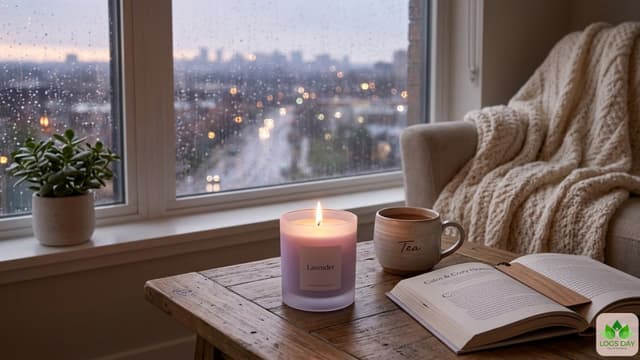
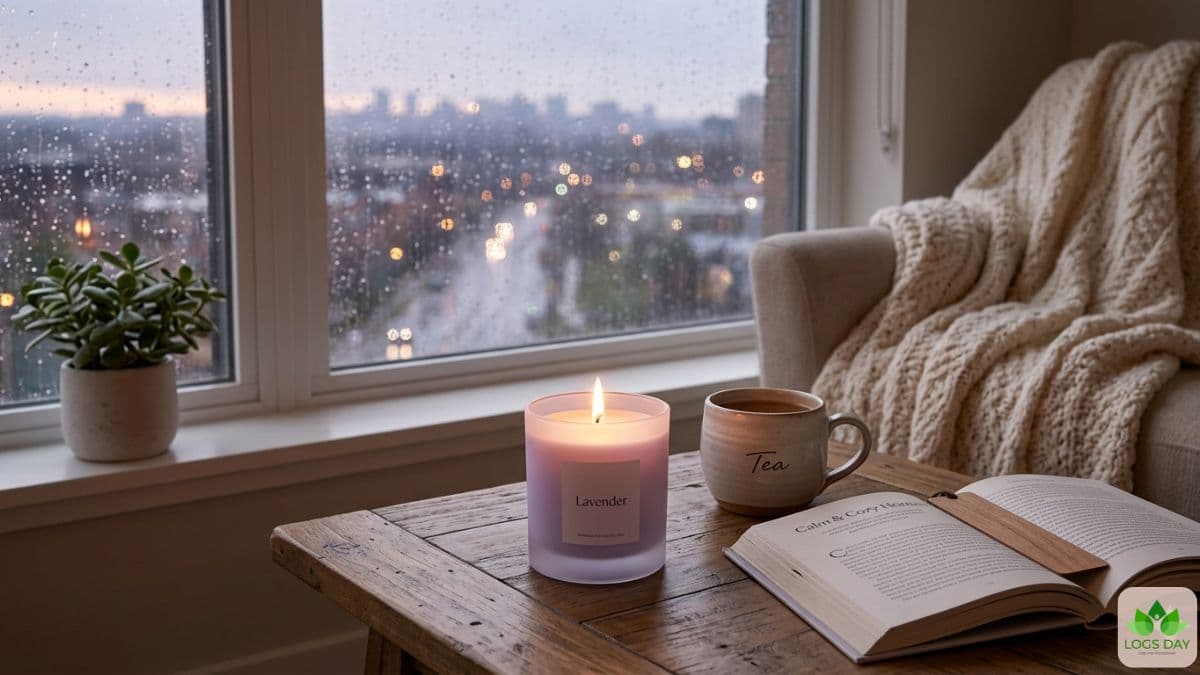
I used to think that fragrance was only about making a room smell good. Then one rainy evening, after a long day at work, I lit a soft lavender candle. The mood of my whole home changed within minutes. I felt lighter, calmer, and at ease. That little moment made me realize how much scents can change our mood and daily life. In this home fragrance wellness guide, you will learn how simple fragrances can make your home feel calm, peaceful, and comfortable.
Why Fragrance Matters in Everyday Life
When decorating their homes, people often focus on furniture, lights or paint colours. But fragrance also defines the experience of place. A fresh citrus fragrance can make a room feel lively and active. A warm vanilla can soothe you on a stressful evening. Floral notes may remind you of gardens, holidays, or family moments. Our brains associate smells with memory so quickly that fragrance has a powerful emotional effect.
I’ve seen it in my own routine. I'd start with a mild eucalyptus diffuser every Sunday morning when I was cleaning my living room. And that smell became tied to peace and fresh starts in my mind. Even my family started saying the house felt more peaceful and more welcoming. That’s why so many people now follow this home fragrance wellness guide to improve their daily mood in a natural and simple way.
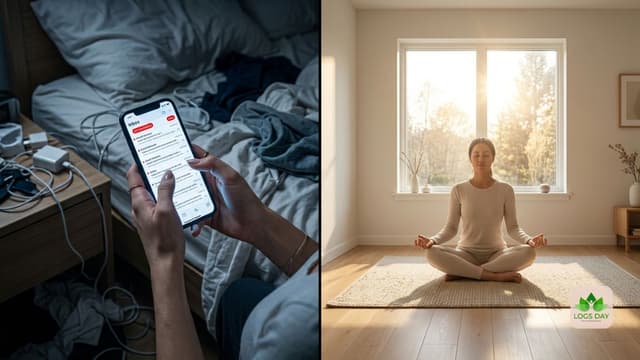
Fragrance can also help with better habits. Having a relaxing scent in the bedroom will help you sleep earlier. You can focus and calm your thoughts while meditating with the soft herbal notes. These small changes can give you emotional comfort. The best part is anyone can start slow with inexpensive candles, oils, or room sprays.
Choosing the Right Scents for Different Rooms
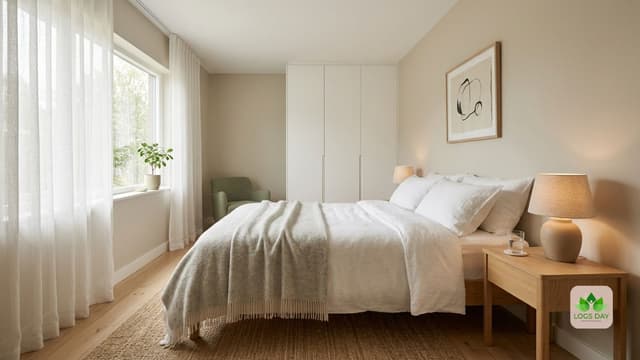
Each room in a house serves a different purpose. And, each space is different in its fragrance style too. Soft and relaxing scents are usually used to make bedrooms feel better. Lavender, chamomile, sandalwood, and vanilla are great for peaceful sleep. Lemon and mint are two scents that often work very well in kitchens. They give a sense of cleanliness and brightness to the room. Bathrooms, on the other hand, can smell fresh with eucalyptus or ocean scents.
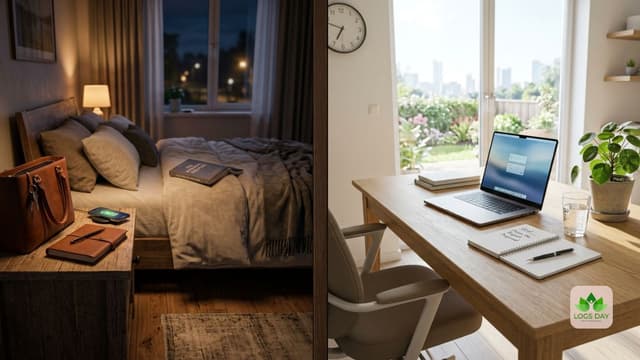
Living rooms are more adaptable. Many people use woody or floral scents there to add warmth to family time. If you work at home, try using peppermint or rosemary to your workspace. These scents can help enhance focus and reduce mental fatigue on hectic days.
This home fragrance wellness guide also invites people to consider seasonal fragrance changes. Light floral scents are refreshing in spring and summer. Rich cinnamon, cedarwood, or amber feel comforting during colder months. Switching scents year-round is a great way to keep the home environment exciting and balanced.
You don't need expensive products to get started. Small candles, incense sticks, reed diffusers or wax melts can work beautifully if used with care. The point is not to overtake the room. A soothing fragrance creates a more natural and relaxing atmosphere.
Also read: Microplastics and Your Health: What Science Knows in 2026 and How to Reduce Everyday Exposure
Simple Aromatherapy Ideas for Daily Wellness
Aromatherapy sounds complicated to many beginners, but it can be very simple in daily life. In fact, some of the best home aromatherapy ideas require only a few minutes each day. A diffuser with lavender oil before bedtime may help you relax after a stressful evening. Citrus oils in the morning can create a fresh and energetic feeling before work or study.
I personally enjoy adding two drops of peppermint oil into a bowl of warm water during very busy afternoons. The refreshing smell helps me feel awake without drinking too much coffee. It is a tiny habit, but it changes my mood quickly. Friends who visit my home often ask why the rooms feel so peaceful and balanced.
This home fragrance wellness guide recommends starting with one scent at a time. Too many mixed fragrances can feel confusing or heavy. Begin with oils or candles that match your emotional needs. If you want calmness, choose lavender or chamomile. If you need energy, try citrus or mint. Small fragrance rituals can slowly become part of a healthier daily lifestyle.
People should also remember basic safety. Always keep candles away from curtains or children. Essential oils should be used carefully around pets. Proper ventilation helps maintain a fresh and comfortable environment while using fragrance products indoors.
Best Essential Oils for Relaxation and Calm
Natural oils create gentle fragrance without strong chemical smells. They make healthier wellness routines at home and people often like them. Certain oils of this type are celebrated for their calming effect on the body and mind. This is why the essential oils for relaxation are still quite popular in homes around the world.
Lavender is one of the most trusted stress relieving options. The soft floral scent can help quiet racing thoughts before sleep. One more soothing choice is chamomile, which provides both warmth and emotional comfort. Sandalwood has a rich woody aroma which is perfect for evening meditation or relaxation. The bergamot has a mix of citrus coolness and mild tranquility that many people find useful on stressful work days.
This home fragrance wellness guide also offers creative ways to use oils. Add a few drops to pillow covers, place them in warm baths, or use them within diffusers. Some even make personal relaxation corners with candles, books, and soft fragrance combinations.
Another important thing is quality. Very cheap artificial blends are often not as smooth and natural as pure oils. Paying attention to labels will help you avoid cheap products. Small bottles are usually the way to go, especially if you’re new to fragrances and still finding out what you like.
Creating a Calm and Balanced Home Atmosphere
A peaceful home is not created only by decoration Mood, sound, light, and smell all work together. That’s why so many people are now following calming home fragrance tips as they create their living space. A soft fragrance can help reduce the feeling of stress after long working hours and create emotional comfort for family members.
One useful technique is to layer scents carefully. For example, a citrus room spray during the day and a lavender candle at night can set different moods throughout the day. Another good tip is to match fragrances with activities. Warm vanilla can be comforting while reading or having family dinners and fresh mint may be good during exercise sessions.
I learned this during a difficult month when I was mentally drained from work pressure. Instead of making big lifestyle changes, I began to use softer scents in the evening and dimmed the lights before bed. The peaceful atmosphere gradually improved my mood and daily routine. Such small habits often create the biggest emotional changes over time.
This home fragrance wellness guide supports balance, not overdoing it. A strong smell can be overwhelming at times. Gentle scents usually feel more natural and welcoming. Open windows regularly, clean fragrance tools often, and avoid mixing too many products in one room. Open windows often. A peaceful environment should be fresh, not heavy.
Modern Wellness Trends and the Future of Scentscaping
Home fragrance has recently been associated with wellness. Now many people view scent as self-care rather than simply decoration. Fragrance is now a big part of emotional comfort and daily habits, and that’s why social media creators, wellness experts, and interior designers are often talking about wellness scents for home.
One growing trend is called scentscaping for wellness. This idea is about creating different scent experiences all over the house. For example, fresh citrus scents can work well in work areas, while soft floral scents are better for bedrooms. The main idea is to create a different mood in each room with the right fragrance.
This home fragrance wellness guide also highlights how modern consumers are becoming more careful about ingredients. Many buyers now choose soy candles, natural oils, and eco-friendly diffusers. Clean products often feel gentler and healthier inside indoor spaces.
Technology is changing fragrance habits, too. Smart diffusers can also be programmed to release scents at certain times of day. Smart devices even connect with phone apps. Yet simple fragrance rituals are still popular. A little candle at dinner, or a little gentle incense after meditation, can give valuable emotional comfort without expensive tools.
Home fragrance is not about getting it right. It’s about creating a space where you can unwind, feel safe, and emotionally even. Small scent habits can make everyday life surprisingly better.
Also read: Sound Healing Benefits Explained: A Simple Guide to Feeling Calm and Relaxed
Common Fragrance Mistakes to Avoid at Home
Many people get excited after discovering wellness scents and make the mistake of using too much fragrance at once. A very strong smell can feel uncomfortable instead of relaxing. Guests may even get headaches or feel irritated in heavily scented rooms. The safest method is always to start with a mild scent and gradually build the strength according to the size of the room. Usually only one candle or diffuser is needed in small bedrooms. Large open spaces may require a slightly stronger fragrance source but balance is still important.
Another common mistake is to ignore airflow. Open windows whenever you can so that the house never feels heavy. Also, it’s wise not to combine too many scents together. Citrus, floral, woody, and spicy scents can sometimes clash when combined carelessly.
Storage is also important. Avoid direct sunlight or extreme heat with essential oils and candles, as high temperatures may deteriorate quality over time. Regularly cleaning your diffusers and fragrance devices will also help ensure that you enjoy a pure and pleasant aromatic experience at home.
Building Small Fragrance Rituals That Feel Personal
The best wellness routines are often straightforward and easy to follow. Fragrance habits are the same. Don't build flashy systems. Build small rituals that fit naturally into your lifestyle. You might like to read by candlelight in the evening, or use a relaxing room spray before sleep. These small moments can build up over time to create emotional comfort and positive daily patterns.
A morning fragrance routine can also help start the day with more energy. Many people enjoy citrus or mint scents in the morning while making breakfast or getting ready for work. Soft floral scents in the evening can help the body relax before sleep. Over time, the brain connects these smells with calmness or focus. That is why fragrance is an important part of wellness routines for many people around the world.
Families can also make up their own scent traditions. Some families burn warm cinnamon at festival times, while others use fresh eucalyptus at weekend cleaning sessions. Little habits like these can make memories that last surrounded by comfort and togetherness.
Fragrance can also contribute to mindful living by prompting individuals to slow down and experience their surroundings. In today’s busy life, many people stay busy all day and forget to relax. A soft fragrance can help the mind slow down for a while. Drinking tea near a lightly scented candle can feel very peaceful after a tiring day. Wellness does not always need expensive products or big lifestyle changes. Small things at home, like calming scents, can improve mood and comfort in simple ways. That is why fragrance has become a part of everyday self-care for many families around the world.
In Essence
Creating a peaceful home does not require expensive decoration or complicated routines. Simple fragrance habits can change the feel of your day. Choose your scents carefully and use them gently. This way, you will create comfort, calmness, and emotional balance for yourself and your family. This home fragrance wellness guide shows that wellness often begins with small daily experiences that make life feel warmer and more peaceful.
Stay connected with Logsday for more simple wellness and lifestyle ideas that make everyday living easier and happier.
Also read: Easy Acupressure Points for Common Ailments Every Beginner Should Learn
Sources
- https://my.clevelandclinic.org/health/treatments/aromatherapy
- https://www.uclahealth.org/news/article/4-aromatherapy-benefits-older-adults
- https://www.health.harvard.edu/blog/aromatherapy-scents-to-boost-health-2018112015398
- https://www.bhg.com/scentscaping-trend-11949974
- https://www.hopkinsmedicine.org/health/wellness-and-prevention/aromatherapy-do-essential-oils-really-work