
533
Have you ever rubbed your temples when a headache is planning to may its way? Now whether someone has advised you to do it or you do it by instinct, your body naturally looks for pressure points that help you feel better. That is exactly where acupressure steps in.
Acupressure is an ancient wellness practice where you applying gentle pressure to certain points on the body. The pressure makes you feel relaxed, eases discomfort from pain, and improves overall bodily balance. If you are some who finds interest in this, as a beginner, you can learn some simple techniques at home without complicated tools or training. Whether you deal with headaches, stress, tiredness, or muscle tension, there are simple techniques you can try.
Also Read - Coping Skills for Emotional Stress at Home: A Practical Guide
What Is Acupressure and Why Do People Use It?
This technique is based on the idea that the body contains multiple pathways through which energy flows (Qi). By pressing certain points, it is believed to help the body feel more balanced and relaxed by improving the energy flow.
Unlike acupuncture, acupressure does not involve needles. You just use your fingers, thumb, or even your knuckles to apply mild pressure. People turn to acupressure because it feels approachable where there is no need for expensive equipment, and can often practice wherever you are in just a few minutes.
For many beginners, learning acupressure points for common ailments is part of a regular self-care therapy routine.
A Quick Tip Before You Start
Before pressing any pressure point, always sit comfortably and take a few slow breaths. Apply firm but gentle pressure where you should feel mild tenderness and not pain. 30 seconds to 2 minutes is enough for each point. According to the Mayo Clinic, relaxation methods that help with calm breathing and body awareness may assist in reducing stress and muscle tension when practiced regularly.
1. The Union Valley Point for Headaches and Stress
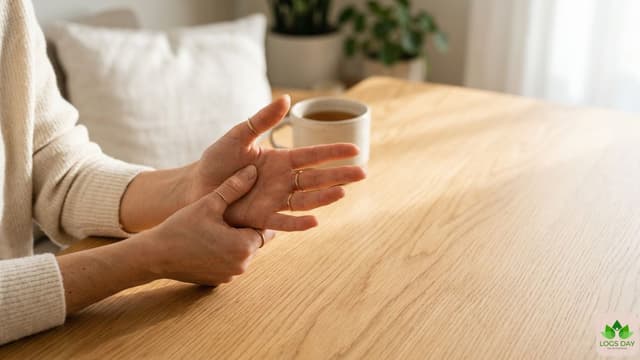
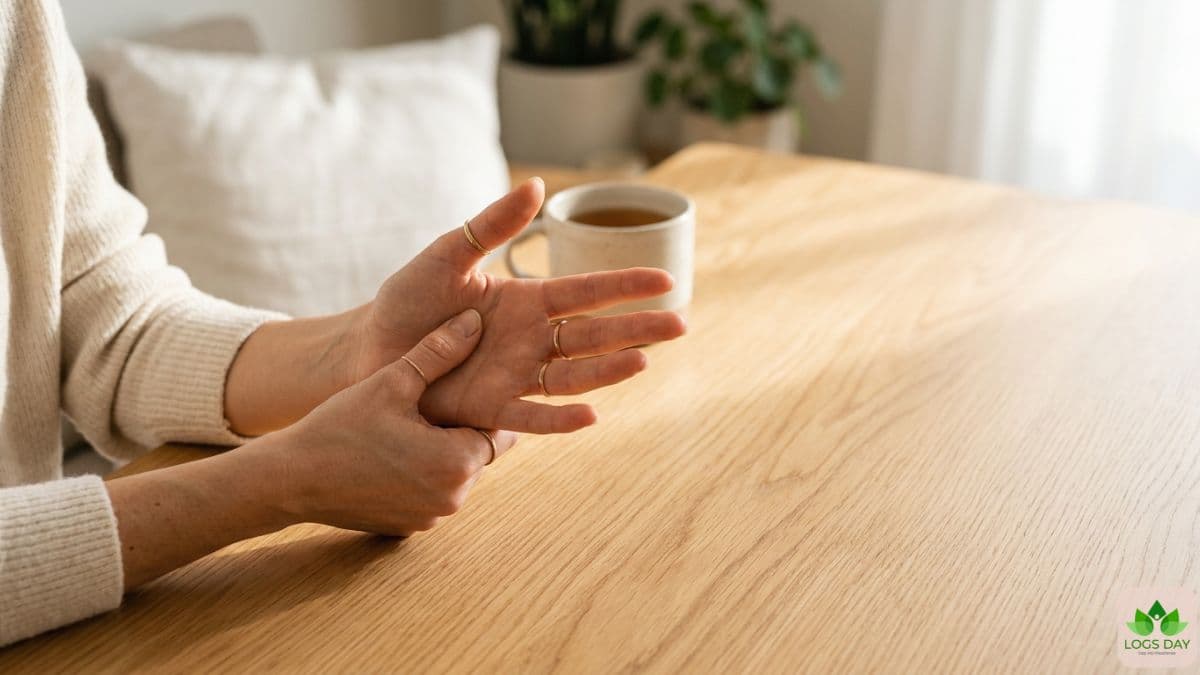
One of the most popular acupressure points for common ailments is the Union Valley point (LI4). It is the webbed area between your thumb and index finger.
People often target this pressure point when they experience headaches, facial tension, mental stress, tightness in the shoulders, easing digestive issues. Begin by pressing the point on one hand using the thumb and index finger of your opposite hand. Hold the pressure for about a minute while you breathe deeply.
Many say they immediately notice a calming sensation. This point is widely associated with stress reduction because it allows the body to relax during tense moments.
Also Read - How to Deal with Grief Naturally: A Research Backed Guide to Healing at Your Own Pace
2. The Third Eye Point for Mental Calmness
This point is located between the eyebrows. If you have ever instinctively touched this area while feeling tensed or during a stressful time, you have probably felt relieved.
Referred to as the Third Eye Point (EX-HN 3), it is commonly helpful for mental fatigue, tension, restlessness, and difficulty focusing. Begin by closing your eyes and gently pressing this point in small circular motions. It is soothing after a long workday, especially if you spend hours looking at multiple screens. People tend to include this technique in their evening holistic healing routines as it backs mental quietness and relaxation.
3. The Inner Gate Point for Nausea and Anxiety
The Inner Gate point (PC6) is on the inner wrist, around three finger widths below the palm. This is one of the simplest acupressure points for common ailments because it is easy to locate and simple to use.
It is used for motion discomfort, nervousness, mild nausea, and anxiety before travel. Use your thumb to apply gentle pressure while taking slow breaths. Many travelers use this point before long flights or road trips.
Traditional Chinese Medicine experts agree that the pressure points on the body's energy pathways help ease the unobstructed flow of qi or energy, providing you with relief. Some people use acupressure as an additional therapy alongside normal medicines that they consume, while others turn to it as an alternative if medications are ineffective.
Can Acupressure Become Part of Your Daily Routine?
Yes, why not. One of the reasons people adopt acupressure is because it does not require major lifestyle changes. You can practice it during your work breaks, before going to bed, while watching television, travelling, or whenever there is free time.
Even spending as less as five minutes a day to focus on relaxation can help you feel good. The goal is to treat acupressure as a supportive wellness routine rather than expecting overnight healing.
Health experts agree that regular relaxation practices can help improve your mood, reduce muscle tension, and support well-being when you combined it with healthy lifestyle habits.
Also Read - What Daily Habits Help You Live Longer and Feel Better?
Common Mistakes Beginners Should Avoid
When beginners first start exploring acupressure points for common ailments, they tend to press too hard. Always remember that pressure that is too strong does not always mean better results.
Here are a few simple things to keep in mind:
- Do not press hard to cause bruising or sharp pain.
- Avoid practicing immediately after heavy meals.
- If you have a medical condition, are pregnant, or are dealing with a recurring pain, talk to your doctor before trying new wellness techniques.
- Acupressure should not replace formal medical treatment when symptoms are serious or persistent.
Why Beginners Are Turning Toward Acupressure
Our lives can feel exhausting. We spend hours in traffic, work long shifts, stare at screens, and constantly deal with stress. Because of this, many are becoming more interested in simple wellness habits they can practice at home.
Acupressure feels accessible and relatable because it encourages to slow down and pay attention to the body. For some, it is a mindfulness routine while for the rest, it is simply a relaxing way to unwind after work.
You can start small where there is no need to memorize dozens of points. Learning just a few acupressure points for common ailments can make a difference in your daily routine.
Summing It Up
You do not need to become an expert overnight to know the benefits of acupressure. If you are pressing the space between your thumb and finger for pain relief or massaging your wrist before travel, it is likely to make you feel calmer and more balanced.
More and more people are exploring natural wellness routines and acupressure continues to stand out because it is easy and beginner-friendly. We at Logsday believe that starting with one or two techniques, staying consistent, and paying attention to how your body responds makes a difference.
Also Read - Breathwork for Anxiety: 6 Techniques from Neuroscience That Calm in Minutes