
500
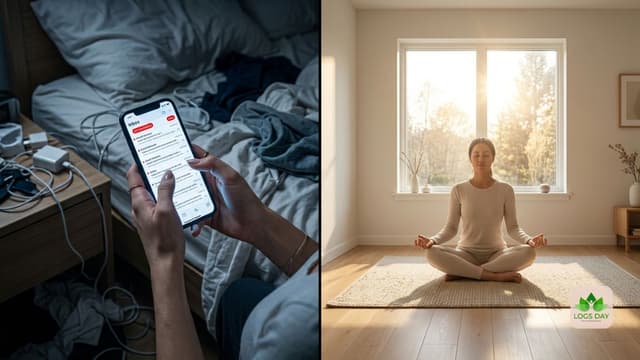
Sometimes, modern life feels overwhelming. Between endless notifications, work deadlines, poor sleep, stress, and regular responsibilities, the majority of people now constantly look for simple ways to feel more balanced and relaxed. This is where aromatherapy essential oils can help. These days, aromatherapy has become a minute yet essential part of our daily wellness routine. You can use these oils at any time, whether meditating, working, sleeping, or even during stressful situations when it becomes difficult to unwind your mind.
When I heard about aromatherapy essential oils for the first time, I thought they were just another wellness trend used in luxury self-care routines or spas. However, after trying some oils consistently, I started realizing that these oils genuinely support relaxation and create a calmer environment when they are properly used.
So, in this blog, I will talk about the beginner’s guide to aromatherapy essential oil, based on some simple practices that personally helped me a lot. So, if you are new to essential oils, this guide is just for you. There is no need to be an expert overnight. Aromatherapy is more effective when approached consistently, gently, and intentionally.
What is aromatherapy?
Aromatherapy is all about using natural plant extracts, known as essential oils (extracted from bark, herbs, plants, or fruits), to support emotional wellness, physical relaxation, and a calming atmosphere. Here, every type of oil comes with its own properties and scent. So, they are often used as a holistic wellness routine to create a peaceful environment and reduce stress.
Robert Tisserand, a British aromatherapy expert, author, and educator, says aromatherapy is a hands-on, caring therapy that introduces relaxation, restores lost balance to your mind, soul, and body, and increases energy while reducing the effects of stress.
Also read: Meditation for Focus and Concentration: An Easy Daily Habit to Sharpen Your Mind
How do essential oils work?
Essential oils are natural remedies that usually work through scent. When you inhale these aromas, they interact with the parts of your brain connected to memory, relaxation, and emotions. Therefore, these smells can be an instant reminder of nature, your childhood memories, something comforting, vacations, or calmness.
Besides, these oils also carry sensory experiences that help to influence atmosphere and mood.
Aromatherapist Cristina Proano-Carrion says that this therapy offers therapeutic benefits to the users, irrespective of a person’s belief in it. It is because essential oils physiologically interact with the body and not through psychological placebo effects.
Why did I start using essential oils?
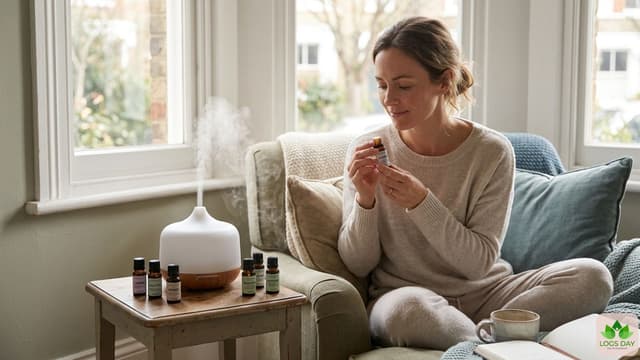
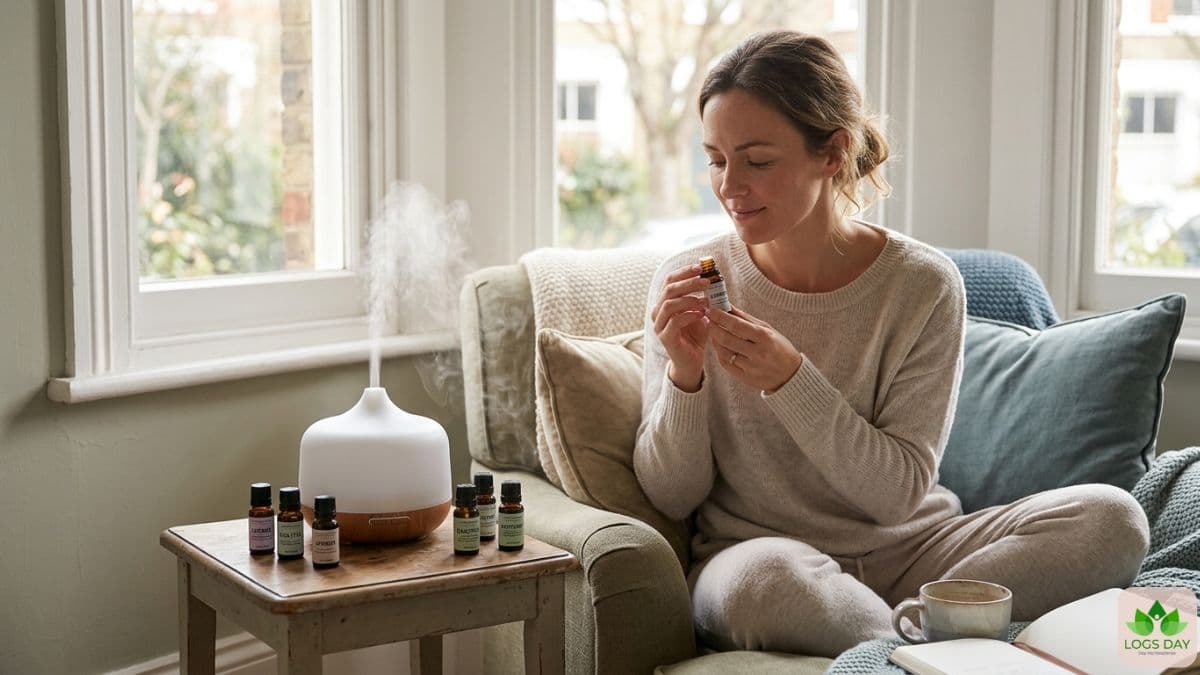
I began to use essential oils during a stressful period of my life when I was struggling with poor sleep quality and an overstimulated mind. I was looking for something easy that could guide me to slow down at the end of the day. Then one of my friends recommended me to use lavender oil. So, I followed the beginner’s guide to aromatherapy essential oil and purchased a small diffuser and tried it before sleeping. And the difference was subtle yet noticeable.
Rachel Herz, a cognitive neuroscientist and author, mentions that aromatherapy is not magic. Instead, scent works through association.
So, after this small experience, I was curious to explore more oils and learn about essential oil benefits and how various scents affect my environment and mood. Gradually, aromatherapy became an important part of my meditation practices, stress management habits, evening routines, self-care days, and work focus sessions.
Also read: I Swear by These Natural Remedies for Period Cramps That Truly Help Me Feel Better
The essential oils I started with
When you are new to aromatherapy, beginning with too many oils can be confusing. According to the beginner’s guide to aromatherapy essential oil, these are some beginner-friendly oils to start. I, too, started with some of these oils.
1. Eucalyptus oil- This essential oil has a spa-like clean scent that creates a clean and refreshing environment. So, I use it during colder seasons and showers, and while relaxing at home.
2. Peppermint oil- This oil is fresh and energizing. It gives me mental stimulation by creating a refreshing atmosphere. I often use this oil while studying, on mentally tiring afternoons, or during work hours.
3. Lavender oil- This essential oil beginner-friendly and versatile. It is widely used for relaxation. The scent is calming, comforting, and soft. I use it during meditation, while reading, before sleep, or on stressful nights.
4. Chamomile oil- Chamomile is soothing and gentle. It also goes beautifully with lavender. I use it while trying to relax before bed, feeling emotionally overwhelmed, or wanting to create a calm nighttime atmosphere.
5. Lemon oil- This essential oil instantly makes the spaces fresher and brighter. So, it makes my room uplifting and light. I often diffuse the oil while cleaning, while working, and during mornings.
Mistakes you must avoid
When I started following aromatherapy techniques, I made some mistakes. So, in this beginner’s guide to aromatherapy essential oil blog, I would mention the common mistakes that you must avoid.
1. Applying aroma oil directly to skin- Most of the essential oils must be diluted with carrier oils before applying on the skin. This process prevents irritation. Some of the examples of carrier oils are jojoba oil, coconut oil, almond oil, etc.
2. Using too much oil- Using more oil can’t give you better results. Only several drops are enough to use. It is because strong scents often become overwhelming quickly.
3.Imagining instant results- Essential oils offer subtle effects. So, you can’t expect a dramatic overnight transformation after using these oils. The benefits of using these oils often come from
4. Purchasing low-quality oils- When you are planning to buy aromatherapy essential oil, quality always matters. Cheap quality essential oils often include synthetic agents. So, always look for pure quality essential oils of reputable brands, and a transparent list of ingredients. Eventually, you can notice benefits from creating consistent calming rituals.
Also read: 5 Minute Meditation for Beginners: How to Start When You Think You Can Not Meditate
Aromatherapy is more meaningful than just being pleasant scents
The biggest lesson I figured out from the beginner’s guide to aromatherapy essential oil is that wellness often begins with awareness and not perfection. Essential oils are not just magical solutions.
Essential oils are not any magical solutions. They are gentle tools used to create mindfulness, calmness, and self-care in our day-to-day lives. What makes aromatherapy essential oil powerful is not just the scent, but also the relaxation therapy behind it. So, take several moments to slow down, take a deep breath, dim all the lights, and create a peaceful environment to have a meaningful effect on how we feel emotionally and mentally.
In many ways, aromatherapy reminds us that we don’t need to follow any complicated solutions to relax. In many cases, wellness comes from following small and consistent habits that successfully reconnect us with balance, comfort, and stillness.
Looking for more such wellness tips from experts, follow Logsday.
Source
https://my.clevelandclinic.org/health/treatments/aromatherapy
https://www.healthline.com/nutrition/what-are-essential-oils#bottom-line
https://wellbeing-spa.com/a-guide-to-aromatherapy-how-essential-oils-transform-mind-and-body/
https://click2pro.com/blog/essential-oils-emotional-wellbeing