
401
The first day I heard about fermented foods recipes at home, it sounded a bit weird, but also exciting. I wanted something natural to improve my digestion and overall health. So, I decided to try it myself. To my surprise, it was much easier than I thought. The flavors were rich, and the results were amazing.
Fermented foods are not new. People have been making them for hundreds of years. These foods are made using natural bacteria that help preserve food and improve its nutrition. Today, many people are going back to these simple methods.
When I started, I made a lot of mistakes. But slowly, I learned the basics. Now, I enjoy making them regularly. If you are someone who wants to eat healthy without spending too much, this is a great place to start. With a little patience, you can create something very special in your own kitchen.
What Are Fermented Foods and Why They Matter
Fermented foods are foods that have been broken down by bacteria and yeast in a natural way. This makes probiotics, which are good bacteria. These probiotics are great for your gut health.
When I first understood this, I became more interested in trying fermented foods recipes at home. I learned that these foods are not only good for you, but also very good for you. They help your body digest food better, boost your immune system, and even make you feel better mentally.
Yogurt, pickles, kimchi, and kombucha are some common fermented foods. These foods are full of nutrients and simple to make.
Fermented foods have the following benefits:
- Improve digestion in a natural way
- Support gut bacteria balance
- Help the body take in more nutrients
- Strengthen immune system
Today, many people are searching for healthy fermented foods because they want natural solutions instead of processed options. Over time, adding these foods to your daily diet can make a big difference. Harvard Health says that probiotics in fermented foods are "crucial to healthy digestion" and help make the gut microbiome stronger.
Dr. David Ludwig, a nutrition researcher, notes that foods that are naturally fermented have live good bacteria that help your health in general. The World Economic Forum highlights, fermented foods can "encourage weight loss and lower disease risk" by making the balance of gut bacteria better.
Also read: 10 Simple Family Meal Planning Tips to Save Time, Money & Stress Every Week
Basic Ingredients You Need to Get Started
Before you begin making fermented foods recipes at home, you need to understand the basic ingredients. The good thing is that you don't need anything special. You probably already have most of the things you need in your kitchen.
Fresh vegetables or milk are the most important things to use, depending on what you want to make. Salt is also important because it helps keep the fermentation process in check. A clean container and clean water are both very important.
I remember my first try. I used a glass jar, salt, and some cabbage. That's all. I was shocked that such simple ingredients could make something so tasty.
For beginners, here are a few essentials:
- Fresh vegetables like cabbage, carrots, or cucumbers
- Non-iodized salt
- Clean glass jars
- Water (filtered if possible)
Using simple ingredients makes easy fermentation recipes perfect for beginners. You don’t need to invest a lot of money. Just start small and learn step by step.
Easy Fermented Recipes You Can Try at Home
When I started exploring fermented foods recipes at home, I chose the easiest ones first. This helped me build confidence and understand the process better.
Easy Fermented Recipes You Can Try at Home
When I started trying fermented foods recipes at home, I picked simple recipes first. This helped me learn faster and build confidence.
1. Homemade Yogurt
![[image]](https://admin.logsday.com/storage/media/Homemade_Yogurt_2026-04-19_12-24-17_YrsfS0oD.jpg)
Making yogurt at home is one of the simplest ways to ferment food. You just need milk and a little bit of starter yogurt. To start, heat the milk and let it cool down until it's warm. After that, add the starter and mix it in well. Put a lid on it and let it sit in a warm place for 6 to 8 hours. The bacteria will slowly change the milk into yogurt that is thick and creamy. I can still remember the first time I made it. It was so satisfying. This is one of the best homemade fermented foods because it's easy to make, good for you, and can be eaten every day with meals or fruit.
2. Simple Vegetable Pickles
![[image]](https://admin.logsday.com/storage/media/Simple_Vegetable_Pickles_2026-04-19_12-24-45_kVGQuO38.jpg)
Pickles are a great way to start fermentation. Take cucumbers or carrots and cut them into pieces. Prepare saltwater by mixing salt and water. Place the vegetables in a jar and pour the saltwater over them. Make sure they are fully covered. Close the jar loosely and keep it at room temperature for a few days. You will notice a tangy smell as fermentation begins. I tried this early in my journey with fermented foods recipes at home, and it worked perfectly. These pickles are crunchy, tasty, and full of good bacteria for your gut.
3. Basic Sauerkraut
![[image]](https://admin.logsday.com/storage/media/Basic_Sauerkraut_2026-04-19_12-29-52_vGAq9cUw.jpg)
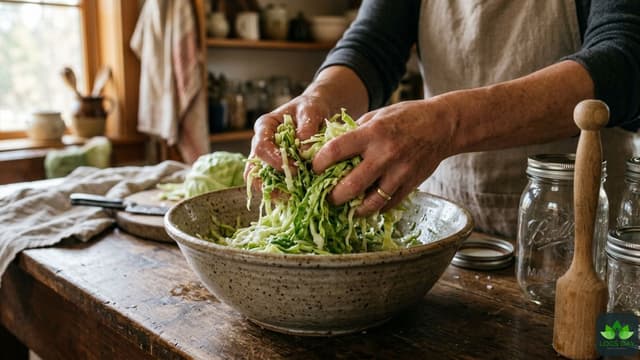
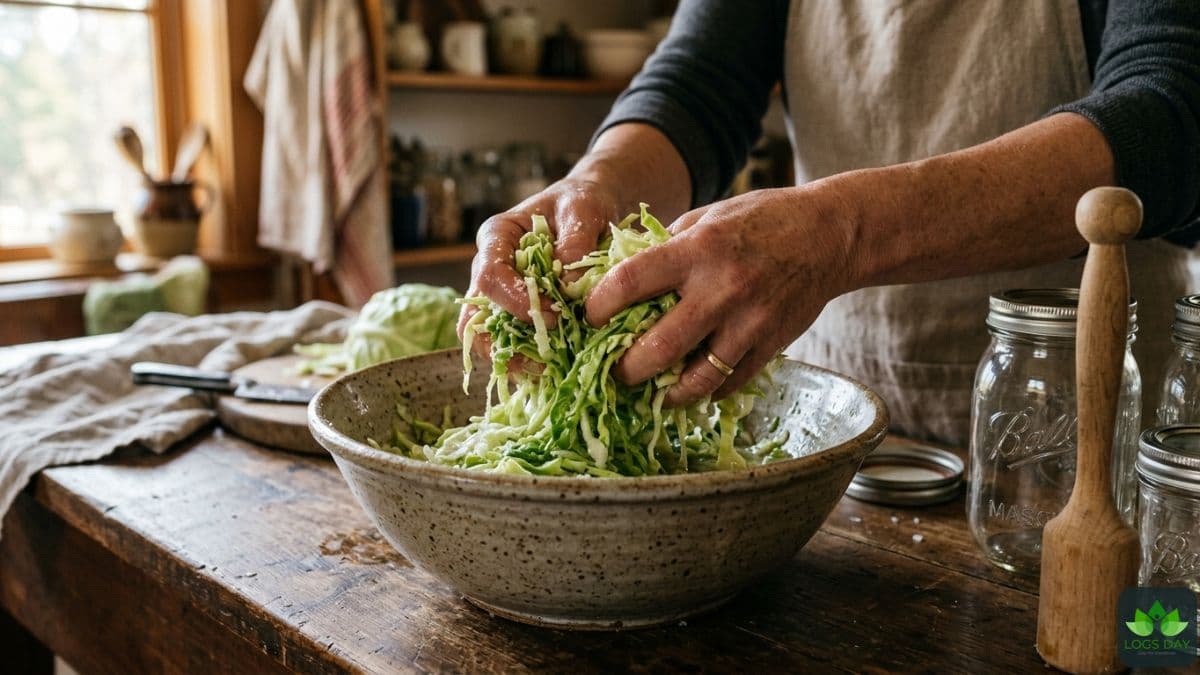
Sauerkraut is made using cabbage and salt. Chop the cabbage finely and mix it with salt. Massage it until it releases water. Then pack it tightly into a jar. The liquid should cover the cabbage completely. Close the jar and let it sit for about a week. The natural bacteria will do the work. When I made this for the first time, I was surprised by the flavor. It was tangy and fresh. This is one of the best best fermented recipes for beginners because it needs only two ingredients and gives great health benefits.
4. Fermented Carrot Sticks
![[image]](https://admin.logsday.com/storage/media/Fermented_Carrot_Sticks_2026-04-19_12-31-56_VTwnBjf9.jpg)
Fermented carrot sticks are very easy and tasty. Cut carrots into long sticks. Prepare a saltwater solution and pour it over the carrots in a jar. You can add garlic or spices for extra flavor. Keep the jar at room temperature for 3–5 days. The carrots will slowly become tangy and slightly soft. I love adding these to my meals because they are crunchy and refreshing. This recipe is perfect if you are exploring easy fermentation recipes. It is simple, quick, and a great way to enjoy healthy snacks at home.
Tips to Make Fermentation Safe and Successful
It's easy to make fermented food recipes at home, but you need to follow some simple rules. It's very important to be clean. To keep bacteria from getting into your food, always use clean jars and utensils.
The temperature is also very important. Most fermentation works best when the temperature is room temperature. The process can be affected by too much heat or cold. At first, I didn't pay much attention to these things. There were times when my recipes didn't work. But things got better once I did the right things.
Here are some helpful hints:
- Always clean your jars
- Use the right amount of salt
- Keep in a cool, dark place
- Look for changes every day
These tips will help you create the best fermented recipes without any trouble. With practice, you will understand the process better and get consistent results.
Also read: Bone Broth Benefits and Recipes: Why Everyone Is Suddenly Drinking Bone Broth Again
Common Mistakes to Avoid
While trying fermented foods recipes at home, many beginners make small mistakes. These mistakes can change the taste and safety. Don't worry, though; they are easy to fix.
Using too much or too little salt is a common mistake. Another thing is not keeping the vegetables completely underwater. This can cause things to go bad. I made these same mistakes when I first started. But I learned from them and got better quickly.
Don't use metal containers for fermentation either. It's always better to use glass jars. Check on your food often. It's best not to eat something that smells bad or looks strange. Knowing these things will make your trip easier. You will become confident of yourself and enjoy the process more as time goes on.
How to Include Fermented Foods in Your Daily Diet
Once you get comfortable with fermented foods recipes at home, the next step is adding them to your daily meals. This is easier than you think.
You can start your day with yogurt. Add pickles to your lunch or dinner. Even a small amount can be very beneficial.
I usually add a spoon of homemade yogurt to my breakfast. It has become a habit now, and I really enjoy it. It makes my meals more interesting and healthy. Fermented foods go well with many dishes. You can mix them with salads, rice, or sandwiches. This makes them very versatile.
People looking for gut health recipes often include fermented foods because they support digestion naturally. Making them a part of your daily routine can bring long-term benefits.
Start Small and Enjoy the Process
Trying fermented foods recipes at home is a wonderful experience. It is simple, affordable, and very rewarding. You don’t need to be an expert to start. When I look back, I feel happy that I took the first step. It has changed the way I eat and think about food. You can start with one simple recipe and grow from there.
Be patient. Fermentation takes time. But the results are worth it. Each batch teaches you something new. And soon, you will find your own favorite recipes. If you are looking for probiotic rich foods, this is one of the best ways to include them naturally in your life.
For more simple lifestyle tips and healthy ideas, keep reading on Logsday.
Also read: Food and Mood: How What You Eat Changes How You Feel Within Hours
Sources
- https://shahzadidevje.com/diy-lacto-fermented-mixed-vegetables/
- https://amazingfoodanddrink.com/recipes/make-your-own-fermented-foods/
- https://www.therealgutdoctor.com/fermentation-101-how-to-make-gut-healthy-foods-at-home/
- https://fermentandflavor.com/30-fermented-food-recipes-a-culinary-journey-to-probiotic-perfection/