
5
TL;DR
- Prebiotics feed the beneficial bacteria already living in your gut.
- Probiotics add live beneficial bacteria to your digestive system.
- Both work together to support a healthy gut microbiome.
- Fiber-rich foods are natural sources of prebiotics.
- Fermented foods like yogurt and kefir provide probiotics.
- A balanced diet is the best way to get both.
- Supplements may help some people but aren't necessary for everyone.
- Consistency matters more than eating large amounts at once.
Prebiotics vs Probiotics: The Simple Guide to Feeding Your Good Gut Bacteria
One of the many reasons that you are here is that you have been trying to improve your gut health. Now while doing so, you have probably heard people talking about prebiotics and probiotics. They almost sound like twins and several assume they are the same thing. Well, the truth is they play very different roles inside your digestive system while working as a team.
The concept of prebiotics vs probiotics is not confusing at all. I plan to guide you along where you will learn what is their role, how they are a team, which foods contain them, the need for supplements, and ways to include them in your everyday meals.
Also Read - 25 Best Probiotic Foods for Gut Health: Complete List with Serving Sizes & Benefits
What Are Prebiotics and Probiotics?
Prebiotics are types of fiber that allow your good gut bacteria to stay healthy, while probiotics are live beneficial bacteria that helps in keeping your gut healthy.
Prebiotics are carbohydrates from your meals that your body cannot digest. They travel all the way to your large intestine where the healthy bacteria use them as food. This helps those bacteria grow and become stronger. Once there, the good bacteria in your gut begin to ferment them, turning them into compounds called short-chain fatty acids. It nourishes the lining of your colon and creates an environment where good bacteria can continue to thrive.
On the other hand, probiotics are living microorganisms found in fermented foods and certain supplements. When consumed in considerable amounts daily, they help maintain a healthy balance of bacteria in your digestive system.
Probiotics work differently because they are live microorganisms, and not all of them have the same role to play. They come in different strains with a specific name and number, and each offer unique health benefits. Some strains are known for supporting digestion, while others help strengthen the immune system or restore gut bacteria after antibiotic use. Consuming a variety of probiotic-rich foods is one of the simplest ways to support a healthy gut microbiome.
If you remember this when comparing prebiotics vs probiotics, you are all set to explore more.
According to the International Scientific Association for Probiotics and Prebiotics (ISAPP), prebiotics nourish beneficial microbes already living in your gut, while probiotics are live microorganisms like Bifidobacterium and the Lactobacilliaceae family that can provide health benefits when consumed in good amounts.
Why Does Your Gut Bacteria Matter So Much?
Your gut bacteria are just not around to help with digestion. They influence your immune system and metabolism. Researchers say that there are trillions of microorganisms living inside your digestive tract which together make up the gut microbiome.
When these bacteria stay balanced, your food is digested well, there are certain vitamins produced, your immune system become strong, and the harmful microbes stay under control.
This balance is often disrupted by poor eating habits, stress, illness, or antibiotics and so digestive issues and other health concerns become a problem. That is why doctors and dieticians encourage eating foods that support a healthy microbiome every day.
How Do Prebiotics Work Inside Your Gut?
Prebiotics work by providing nutrition to the beneficial bacteria existing in your system.
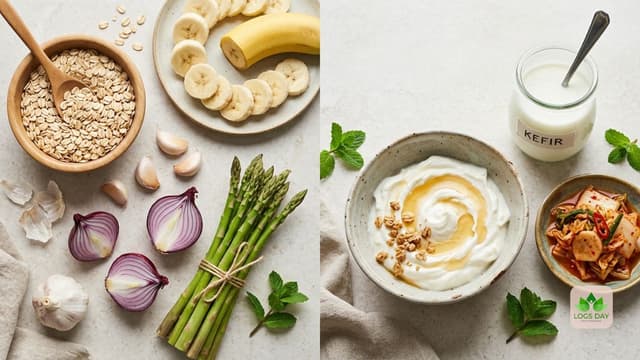
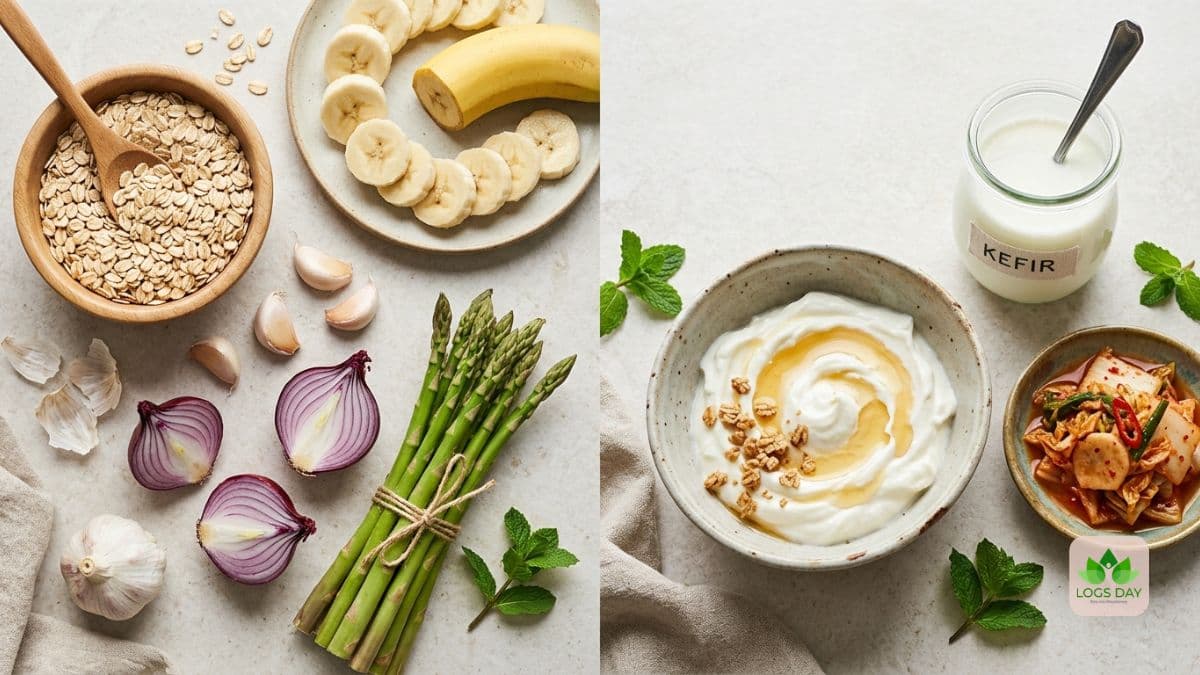
Since the stomach cannot digest prebiotics, they reach the colon intact where it ferments making them an ideal food source for good bacteria. Common natural sources often include garlic, onions, asparagus, bananas, oats, apples, chicory root, Jerusalem artichokes to name a few.
Adding these foods to your diet helps the good bacteria thrive.
Also Read - Best Probiotics for Young Women: Gut, Skin & Hormone Support
How Do Probiotics Help Your Gut?
Probiotics help by adding good bacteria that can temporarily boost your gut microbiome. Different probiotic strains have their separate roles to play. Some help digest lactose and others support immune function or help restore gut bacteria after heavy antibiotics.
Common probiotic foods include yogurt with live cultures, sauerkraut, kefir, tempeh, kimchi, miso, and kombucha. As probiotics are living organisms, they do not stay in your digestive system permanently. That is the reason why experts encourage eating probiotic-rich foods regularly rather than once in a while.
The American Gastroenterological Association says that probiotics may be helpful in certain medical conditions, but not every probiotic works for every requirement. The specific strain and the individual's health needs matter.
Can You Eat Prebiotics and Probiotics Together?
Yes, you can. Eating them together helps the beneficial bacteria survive and grow. When probiotic bacteria reach your gut, prebiotics provide them with the nutrition they need.
Experts call this combination a "synbiotic," which means the foods work together to support a healthier gut. A simple breakfast where you consume yogurt topped with oats and sliced bananas is a great example or even having miso soup served alongside vegetables rich in natural fiber for lunch or dinner.
Do You Need Both Prebiotics and Probiotics?
Yes. Prebiotics and probiotics for gut health work better together than alone. A healthy microbiome depends on both which includes having beneficial bacteria and allowing them to receive the nutrients they need.
If you only consume probiotics but rarely eat fiber-rich foods, those bacteria may not thrive for long.
Similarly, providing nutrients to beneficial bacteria works best only when your gut already contains a healthy variety of microbes. It is nothing difficult as you can support both simply by eating a balanced diet filled with fruits, vegetables, whole grains, legumes, and fermented foods.
Also Read – How Your Gut Health Controls 70% of Your Immune System (And How to Optimize Both)
Which Is Better: Prebiotics or Probiotics?
The answer to which is better: prebiotics or probiotics depends on your health goals, but neither is truly better than the other. They both support each other like a team.
If your diet does not contain fiber, consuming prebiotic foods may be one of the best improvements you can make. If you have recently taken antibiotics or want to include more fermented foods, probiotics can be beneficial.
For healthy adults, experts recommend focusing on consuming both rather than choosing one over the other. When together, they form a great team than either one being alone.
Here is a quick comparison that highlights the key differences between prebiotics and probiotics at a glance.
| Feature | Prebiotics | Probiotics |
| What they are | Non-digestible fibers | Live beneficial bacteria |
| Main role | Feed good bacteria | Add good bacteria |
| Found in | Garlic, onions, bananas, oats | Yogurt, kefir, kimchi |
| Best for | Nourishing existing microbes | Restoring microbial balance |
| Taken as | Foods or fiber supplements | Foods or probiotic supplements |
Should You Consume Prebiotics Vs Probiotics Supplements?
When considering prebiotics vs probiotics supplements, remember that supplements are not always a compulsion. You can always meet the needs through food.
However, sometimes, doctors prescribe supplements during certain digestive conditions or after heavy antibiotic dosage. If you are unable to receive enough prebiotic fiber through foods, they may also prescribe supplements to add to your diet. Not all supplements contain the same strains or ingredients that are available in natural foods, and even if you consume more of it, the result will be the same.
Can Eating Too Much of Either Cause Side Effects?
Yes sometimes, but most side effects are mild and temporary. Consuming excessive prebiotic fiber may lead to bloating or gas because your gut bacteria all of a sudden have more food to ferment.
Similarly, some experience temporary digestive changes when they first start eating probiotic-rich foods. The easiest way to avoid discomfort or side effects is to increase the quantity of these foods gradually while drinking enough water.
For those experiencing side effects will gradually see their digestive system adjust within a short period.
What Is the Easiest Way to Include Both Every Day?
The easiest way is to build simple meals around whole foods.
- Include yogurt, oats, and bananas to your breakfast.
- Add onions and garlic to soups and pasta and add beans to your salads.
- Add fermented vegetables alongside your dinner.
- Grab an apple during breaks or enjoy kefir between meals.
When you add these habits to your daily routine, they have a greater impact than making drastic dietary changes all at once.
One Last Thing
When comparing prebiotics vs probiotics, you can never have one winner. They are both beneficial and it is about understanding the way they work together to keep your gut healthy.
When looking for the difference between prebiotics and probiotics, Prebiotics nourish the good bacteria already living inside you, while probiotics introduce additional helpful bacteria. As a team, they support better digestion, improved immune function, and the overall balance of your gut microbiome.
You know what the good news is? You do not need a complicated diet plan to begin. Include fruits, vegetables, whole grains, legumes, and fermented foods in your daily meals and you can naturally nourish your gut over time. For more such informative blogs, follow Logsday.
Also Read - Easy Ways to Improve Your Gut Health