
18
TL;DR
- Zinc is a super important mineral. Your body needs it every day to fight off sickness, grow healthy hair, heal cuts fast, and keep your hormones balanced.
- Your body cannot save up zinc for later. Because of this, you can easily run low if you don't eat well or if you have stomach problems.
- The signs usually start out small and sneaky. But over time, you will really notice things like your hair falling out, getting sick a lot, cuts taking forever to heal, or losing your sense of taste and smell.
- Just eat more meat, seafood, and eggs. You can also get plenty of zinc by snacking on nuts and beans.
- Both men and women actually need plenty of zinc to make sure their hormones stay balanced and run smoothly.
- If you have these symptoms and they just won't go away, go talk to a doctor to get a simple test.
Even though your body only needs a tiny bit of zinc each day, it is easily one of the most important minerals for your health because it works behind the scenes to keep your immune system strong, grow healthy hair, heal cuts quickly, and even help your body build its own DNA and proteins.
You need to eat zinc-rich foods regularly because your body cannot hold onto large amounts of it, meaning you will start noticing warning signs pretty fast if your levels drop.
Recognizing the signs of zinc deficiency early can help you address the issue before it worsens.
What Are the Signs of Zinc Deficiency?
The signs of zinc deficiency are usually pretty easy to notice since you might start losing hair and getting sick a lot along with having slow-healing cuts and a poor appetite just because your
Here are some common signs:
| Symptom | How It May Feel |
| Hair loss | More hair falling than usual |
| Weak immunity | Frequent colds and infections |
| Slow wound healing | Cuts take longer to heal |
| Poor appetite | Less interest in eating |
| Skin problems | Dry, irritated, or rough skin |
| Changes in taste or smell | Foods may taste different |
| Fatigue | Feeling tired often |
Not everyone experiences the same symptoms. Some people may only notice one or two signs.
What Are the Most Common Zinc Deficiency Symptoms?
When you look at common zinc deficiency symptoms, they almost always hit your immune system and skin first alongside causing noticeable changes to your hair and leaving you feeling totally drained of energy.
Hair Loss
Zinc is what keeps your hair follicles healthy, you might notice your hair getting thin or shedding more often if your levels start to drop.
Frequent Illness
Zinc helps immune cells work properly. When zinc levels are low, your body may find it harder to fight infections.
Skin Changes
Some of the people may even develop dry skin, rashes, or irritation when zinc levels drop.
Slow Healing
Your cuts and scratches can take forever to heal up simply because your body relies on zinc to fix damaged skin.
Loss of Taste and Smell
If you suddenly find it hard to taste or smell your food properly, it might just mean you are running low on zinc.
Low Energy
Feeling tired and drained of energy all the time can happen for a lot of reasons, but running low on zinc might easily be one of them.
Also read: Why Omega-3 Is Becoming So Important Today
How Does Zinc Support Hormone Balance?
Your body needs zinc to keep all your hormones in check, meaning it helps men with testosterone production and supports women's reproductive health while also managing insulin so your blood sugar stays steady and your metabolism stays on track.
Since your hormones run so much of your body, a lot of food experts feel that zinc gets completely ignored even though getting enough of it through your meals is exactly what keeps you from feeling moody, tired, or losing your appetite.
How to Know If You Have Zinc Deficiency?
If you are genuinely concerned about how to know if you have zinc deficiency, skipping the internet search and talking to a doctor is the smartest move.
The process is pretty straightforward: they will look at your overall health history, ask what you normally eat, and check your symptoms. If they think your levels are low, they can run a simple blood test to find out for sure.
While keeping track of your symptoms is a great starting point, they aren't enough for a definitive diagnosis on their own—mostly because different health issues can look incredibly similar. If you're dealing with several of these issues all at once, you should probably see a doctor.
What Causes Zinc Deficiency?
Missing out on zinc in your meals is easily the top item on the list of zinc deficiency causes. But keep in mind, it can also happen if your system simply isn't processing and soaking up the mineral the way it should.
The most frequent reasons are:
| Cause | Explanation |
| Poor diet | Not eating enough zinc-rich foods |
| Digestive disorders | Reduced absorption of nutrients |
| Long-term illness | Increased nutrient needs |
| Vegetarian or vegan diets | Some plant foods contain less absorbable zinc |
| Excessive alcohol use | May affect zinc absorption |
| Certain medications | Some medicines can influence zinc levels |
Having a gut condition means your body doesn't absorb nutrients very well. Because of that, you're much more likely to develop a deficiency.
Also read: Vitamin D Deficiency: 12 Symptoms, Testing Guide & How to Fix It Naturally
Which Foods Are Rich in Zinc?
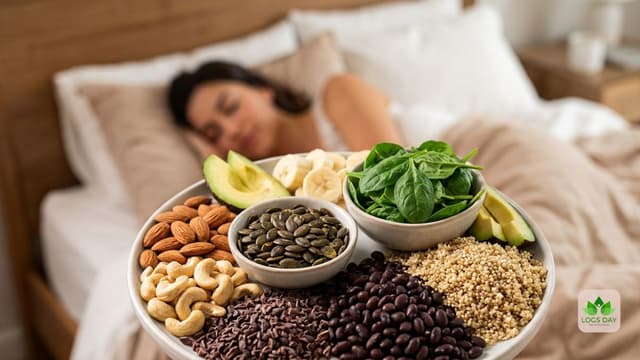
Getting enough zinc is actually pretty simple if you focus on your diet. Adding a good variety of everyday, zinc-rich foods to your plate is the best way to hit your daily goals naturally.
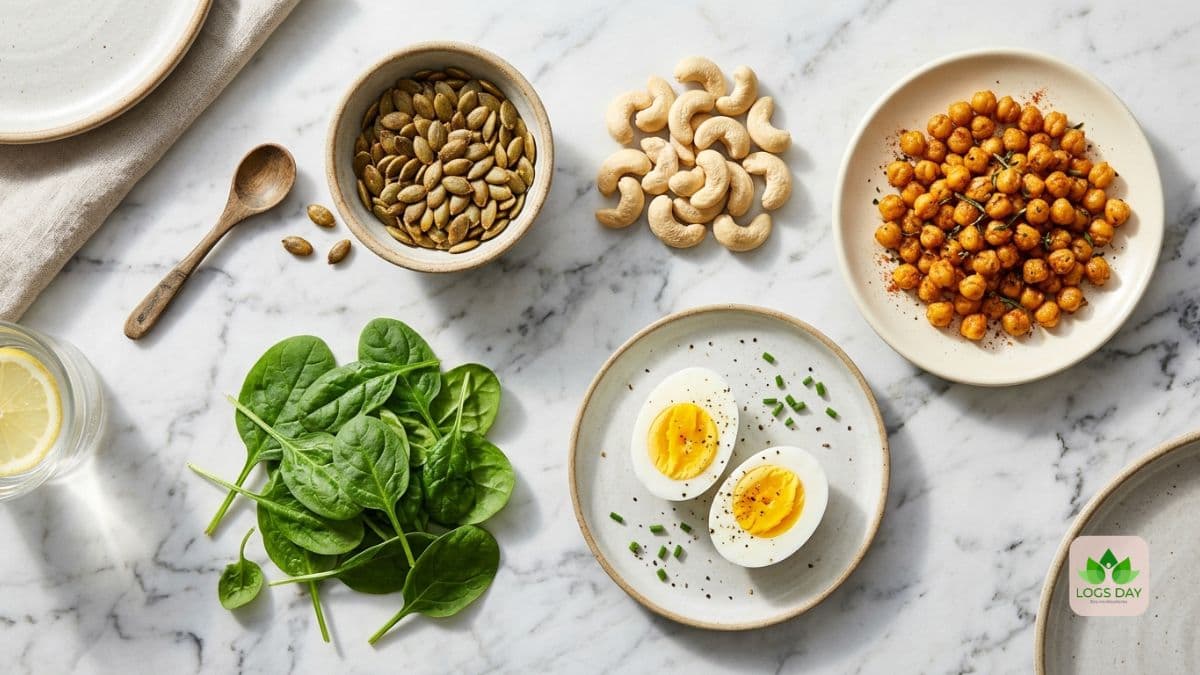
Here are some great foods rich in zinc that you can easily add to your daily meals.
| Food | Zinc Content Benefit |
| Oysters | One of the richest sources |
| Beef | High-quality zinc source |
| Chicken | Good source of zinc |
| Eggs | Easy everyday option |
| Pumpkin seeds | Plant-based zinc source |
| Lentils | Helpful for vegetarians |
| Chickpeas | Nutritious and versatile |
| Cashews | Provide zinc and healthy fats |
| Yogurt | Contains zinc and protein |
Getting enough zinc is simple when you regularly put a mix of meat and plant foods on your plate.
Can Zinc Help Your Immune System?
Yes. Zinc plays a key role in helping the immune system work properly. Zinc is like fuel for your immune cells. If you're running low on zinc, your immune system slows down and just doesn't work as well as it should.
Frequent infections are actually among the classic low zinc symptoms to watch out for. If your daily intake is too low, you'll likely find yourself getting sick more often and struggling to recover.
When you focus on getting plenty of zinc from your meals, you’re giving your immune system the fuel it needs to keep you healthy.
Experts usually suggest focusing on your plate instead of immediately grabbing a bottle of supplements. Whole foods give you zinc along with vitamins and protein, making it easier for your body to absorb everything.
Also read: Morning Drinks That Boost Immunity and Energy Naturally
Can Low Zinc Affect Hair Growth?
It really does. Your hair actually needs nutrients like zinc if you want it to grow properly. If your zinc levels drop, it throws off the natural growth cycle of your hair, often causing noticeable shedding and thinning.
While stress, genes, and hormones are usually the first things we blame for hair loss, a nutritional gap can be just as guilty. If you're checking off multiple boxes for other low zinc symptoms at the same time your hair is thinning, it’s a smart move to go over your daily diet with a professional.
How Much Zinc Do You Need Daily?
How much zinc your body actually needs daily depends entirely on who you are, including your age, sex, and what your life looks like right now.
Here is a general guide:
| Group | Recommended Daily Intake |
| Adult Men | 11 mg |
| Adult Women | 8 mg |
| Pregnant Women | 11 mg |
| Breastfeeding Women | 12 mg |
Most people can meet these needs through a balanced diet. Just be careful not to overdo it with zinc pills unless a doctor specifically tells you to. Taking too much zinc can backfire. It can cause stomach issues and stop your body from absorbing other important minerals.
How Can You Naturally Improve Zinc Levels?
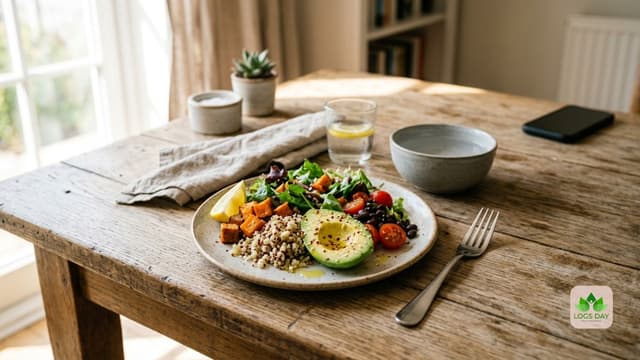
You can easily get more zinc just by changing what you buy at the grocery store. Try to eat a bit more meat, fish, and eggs with your dinners. When you want a snack, grab a handful of nuts or seeds instead of chips. You can also mix things like chickpeas and lentils into your regular meals, or eat some yogurt if you like dairy. Just eating a good mix of these real foods is all it takes to keep your levels steady.
Also read: Why Healthy Eating Habits Are More Important Than Any Diet Trend
The Takeaway
It is a big help if you can catch the signs of zinc deficiency early on. You might notice your hair starting to thin out, or maybe you keep catching every cold going around. Your body might also take a really long time to heal from small cuts, or your food might suddenly taste and smell totally different. If you notice these small changes, your body might just need more zinc.
You might not notice zinc deficiency symptoms at first. They usually take a long time to show up. Honestly, just eating a bit more meat, fish, eggs, nuts, and beans is all it takes for most people to see a real difference. Because zinc plays such a massive role in your hormones and immune health, getting enough of it is essential for feeling your best. If your symptoms don't go away, definitely reach out to a doctor for some personalized advice.
For more simple and practical health insights, explore LogsDay.
Sources
- https://my.clevelandclinic.org/health/diseases/zinc-deficiency
- https://www.healthdirect.gov.au/zinc-deficiency
- https://www.carehospitals.com/news-media-detail/10-telltale-signs-of-zinc-deficiency-you-shouldnt-ignore
- https://ubiehealth.com/doctors-note/zinc-deficiency-warning-signs-women-over65-age-5722ex1
- https://www.vinmec.com/eng/blog/signs-of-zinc-deficiency-en
- https://www.goodrx.com/well-being/supplements-herbs/signs-of-zinc-deficiency