
1030
Explore the best prebiotic foods for gut health, how they feed good bacteria, daily intake tips, and easy meal ideas to boost digestion naturally.
A few years ago, I used to blame everything on stress. Bloating? Stress. Low energy? Stress. Bad skin days? Definitely stress.
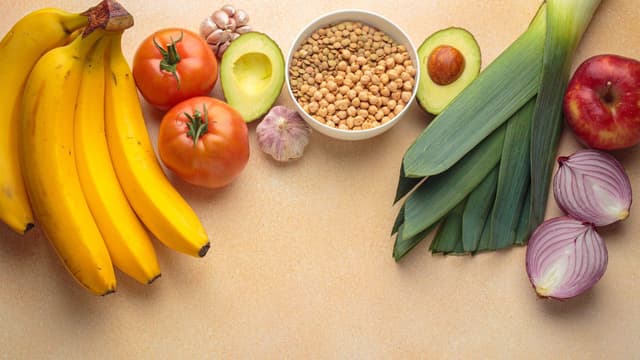
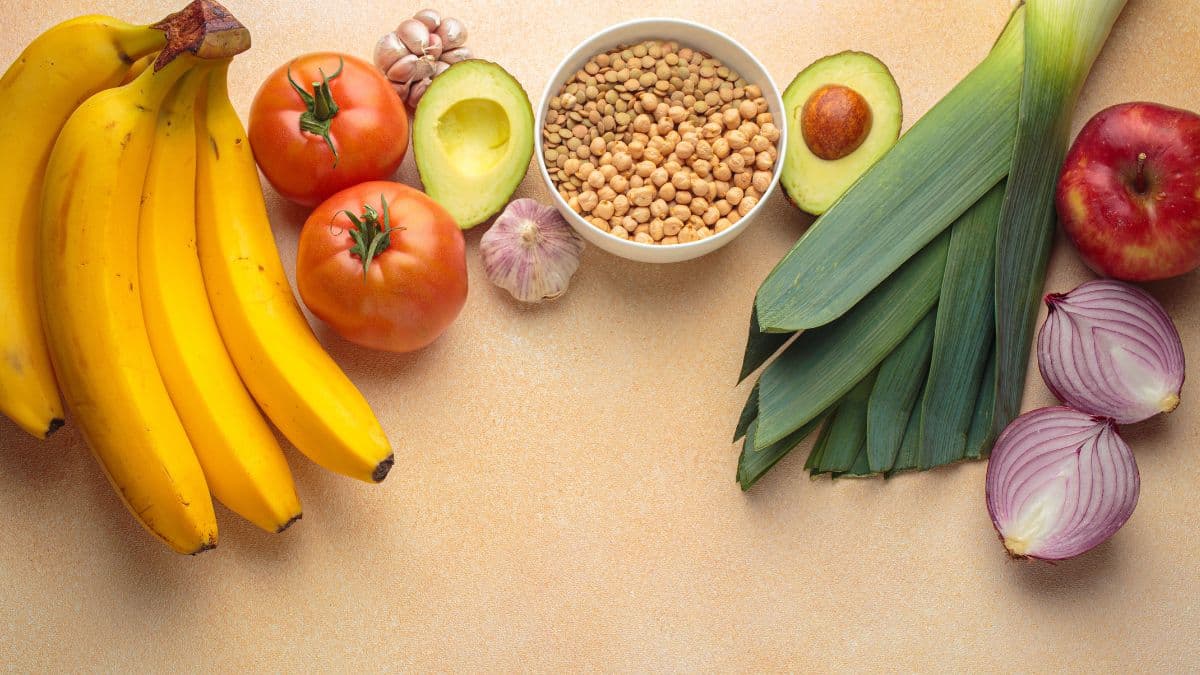
Then one day, after yet another uncomfortable afternoon, I started reading about prebiotic foods for gut health. I realized my plate was full… but my gut bacteria were starving. I was eating “healthy,” but I wasn’t feeding the right microbes. When I slowly added more fiber-rich foods like garlic, oats, and bananas, I noticed something surprising. My digestion improved. My sugar cravings reduced. Even my mood felt steadier. It wasn’t magic. It was my gut bacteria finally getting their favorite meal.
If your stomach feels heavy, your energy dips often, or your digestion feels unpredictable, your body might be asking for the same thing: better fuel for your gut. And, that fuel comes from prebiotic foods for gut health. Let’s understand what they are and why they matter so much.
Prebiotic vs Probiotic: What’s the Real Difference?
You have probably heard about probiotics. They are everywhere—in yogurt ads, health drinks, and even capsules. But there’s a lot of confusion around prebiotic vs probiotic.
Here is the simplest way to understand it:
- Probiotics are live good bacteria.
- Prebiotics are food for those bacteria.
Think of probiotics as seeds. Prebiotics are the fertilizer. Without the fertilizer, the seeds will not grow well. When you eat prebiotic foods, you are not adding bacteria directly. Instead, you are feeding the good bacteria already living in your gut. This helps them multiply and become stronger. Both are important. But many people focus only on probiotics and forget the fuel part. That is where prebiotic foods for gut health play a major role.
Also read: Wake Up Energized: Try These High Protein Breakfast Recipes Today!
How Prebiotics Feed Good Bacteria
Your gut has trillions of bacteria. Some are good. Some are not so helpful. The good bacteria survive on specific types of fiber that your body cannot digest.
These fibers reach your large intestine untouched. There, the good bacteria ferment them. This fermentation produces short-chain fatty acids. These acids support gut lining, reduce inflammation, and help digestion. Most prebiotic fiber foods contain compounds like inulin, resistant starch, and fructooligosaccharides (FOS). These are powerful fuels for gut microbes.
If your diet lacks fiber, your good bacteria become weak. When that happens, harmful bacteria can grow faster. This imbalance might lead to bloating, constipation, low immunity, and even mood changes. That’s why adding more prebiotic foods for gut health is one of the simplest and most natural ways to support digestion.
20 Prebiotic Foods with Fiber Content
1. Chicory Root (65g fiber per 100g)
![[image]](https://admin.logsday.com/storage/media/Chicory_Root_2026-03-02_17-17-20_JW3Mngnl.jpg)
Chicory root is one of the richest inulin rich foods available. Inulin is a strong prebiotic fiber that feeds good bacteria in the gut very well. Because of its high fiber content, chicory root is often used in fiber powders and coffee substitutes. It helps your gut diversity and keeps your bowel movements regular. You can mix a little chicory powder into warm drinks or smoothies. Because it has a lot of fermentable fiber, you should always start with a small amount. Too much of it can make you gassy.
2. Jerusalem Artichoke (17g fiber)
![[image]](https://admin.logsday.com/storage/media/Jerusalem_Artichoke_2026-03-02_17-17-37_UTP3xyFq.jpg)
Jerusalem artichoke, also known as sunchoke, is packed with inulin. It has a slightly sweet and nutty flavor that works well in roasted dishes. This vegetable supports the growth of beneficial bacteria and improves digestion naturally. It is considered one of the best prebiotics for gut health due to its rich fermentable fiber profile. You can roast it, mash it, or add it to soups for variety. Introduce it gradually if you are not used to high-fiber foods.
3. Dandelion Greens (3.5g fiber)
![[image]](https://admin.logsday.com/storage/media/Dandelion_Greens_2026-03-02_17-18-41_y6XjUbeE.jpg)
Dandelion greens are leafy vegetables that are good for you because they have inulin and antioxidants in them. They help the liver work better and get the digestive system going. They taste a little bitter, but they get less bitter when you sauté them lightly. Along with prebiotic benefits, these greens also give you vitamins A and K. You can add them to salads with other greens. Don't overcook to keep the fiber and nutrients in.
Also read: Delicious and Easy Budget-Friendly Meal Plans for Every Weeknight
4. Garlic (2g fiber)
![[image]](https://admin.logsday.com/storage/media/Garlic_2026-03-02_17-18-54_r2Gsbfqw.jpg)
Inulin and fructooligosaccharides in garlic feed good bacteria. It has natural antibacterial properties that help keep bad microbes in check. Garlic that hasn't been cooked as much has more prebiotic benefits than garlic that has been cooked a lot. Crushing garlic and letting it sit for a few minutes before cooking can make its compounds stronger. I started adding one extra clove to my meals every day, and over time I noticed that my digestion got better. Garlic is easy to find, cheap, and very strong.
5. Onions (1.7g fiber)
![[image]](https://admin.logsday.com/storage/media/Onions_2026-03-02_17-19-10_OX28oITC.jpg)
Most kitchens have onions, which have inulin and quercetin. They help good bacteria grow and protect cells from damage. Raw onions have stronger prebiotic effects than onions that have been fried a lot. You can put chopped onions in salads, sandwiches, or lentils that have been cooked. Eating it regularly may slowly improve digestion. You can easily add them to your daily meals.
6. Leeks (1.8g fiber)
![[image]](https://admin.logsday.com/storage/media/Leeks_2026-03-02_17-19-30_Fp6og8YI.jpg)
Leeks are in the same family as onions and garlic. They have mild fermentable fibers that feed the bacteria in your gut. Because they don't have a strong flavor, they are easy to use in soups and stir-fries. Lightly sautéing them helps keep their fiber content. They also give you vitamins and minerals that are good for your health in general. Adding leeks to your diet on a regular basis gives you a wider range of prebiotics.
7. Asparagus (2.1g fiber)
![[image]](https://admin.logsday.com/storage/media/Asparagus_2026-03-02_17-19-41_tJdnwPPs.jpg)
Asparagus is high in inulin, which helps keep the gut healthy. It tastes a little like dirt and cooks quickly. Lightly steaming it helps keep its nutrients and fiber. When you eat asparagus with yogurt, you get both prebiotic and probiotic benefits. It also has antioxidants that help the immune system. Adding asparagus to your diet once or twice a week can help your gut bacteria vary.
8. Green Bananas (2.6g fiber)
![[image]](https://admin.logsday.com/storage/media/Green_Bananas_2026-03-02_17-19-51_M1pFQzfQ.jpg)
Green bananas have a lot of resistant starch, which is like prebiotic fiber. Resistant starch helps good bacteria grow and keeps your bowels regular. Green bananas are less sweet and firmer than ripe ones. You can boil them and mash them, or you can add slices to curries. They also help the body use insulin better. To avoid stomach problems, start with small amounts.
9. Ripe Bananas (2.6g fiber)
![[image]](https://admin.logsday.com/storage/media/Ripe_Bananas_2026-03-02_17-20-03_DTuxAN72.jpg)
Ripe bananas still contain prebiotic fibers, though slightly less resistant starch than green bananas. They are easy to digest and convenient for daily use. Bananas support gut bacteria while providing potassium. They make a quick snack or smoothie ingredient. They are one of the easiest prebiotic foods for gut health to include daily. Their natural sweetness also reduces sugar cravings.
10. Oats (10g fiber)
![[image]](https://admin.logsday.com/storage/media/Oats_2026-03-02_17-20-15_uIjwnoVC.jpg)
Beta-glucan, a strong soluble fiber, is found in oats. Beta-glucan is good for your heart and helps gut bacteria grow. A bowl of oatmeal in the morning gives you steady energy and helps your digestion. You can add fruit, seeds, or nuts to oats to get more fiber. This is one of the best prebiotic fiber foods for people who are always on the go. Eating oats every day makes your bowel movements more regular.
Also read: Seasonal Ingredients Recipes: Transform Your Meals with Nature’s Best
11. Barley (15g fiber)
![[image]](https://admin.logsday.com/storage/media/Barley_2026-03-02_17-20-26_qYAdopsQ.jpg)
Barley has a lot of beta-glucan in it, which helps support a wide range of microbes. It helps you stay full longer and keeps your blood sugar levels stable. Barley is a great addition to soups, salads, and grain bowls. Many people like the way it feels when you chew it. Soaking barley before cooking makes it easier to digest. Adding barley to rice as a substitute is an easy way to get more fiber.
12. Apples (2.4g fiber)
![[image]](https://admin.logsday.com/storage/media/Apples_2026-03-02_17-20-37_6NJcT6AB.jpg)
Pectin, a natural prebiotic fiber, is found in apples. Pectin helps keep the gut lining healthy and feeds good bacteria. Eating apples with the skin on them gives you more fiber. They also have vitamin C and antioxidants. Apples are easy to carry and make great snacks. Eating one apple a day can help your digestion get better over time.
13. Flaxseeds (27g fiber)
![[image]](https://admin.logsday.com/storage/media/Flaxseeds_2026-03-02_17-20-49_CXV2Cg7u.jpg)
Flaxseeds are a great source of fiber and omega-3 fatty acids. They help the bacteria in your gut and lower inflammation. Flaxseeds are easier for your body to absorb nutrients when they are ground. You can sprinkle them over yogurt, oatmeal, or smoothies. They also help keep hormones in balance and the heart healthy. To avoid stomach problems, start with one tablespoon a day.
14. Chia Seeds (34g fiber)
![[image]](https://admin.logsday.com/storage/media/Chia_Seeds_2026-03-02_17-21-04_DDRFsR59.jpg)
When chia seeds soak up water, they turn into a gel-like substance. This gel helps with digestion and the growth of good bacteria in the gut. Soaking chia seeds before eating makes them easier to digest. They have both fiber and omega-3 fatty acids from plants. Put them in oatmeal, smoothies, or puddings. Taking it regularly over time improves digestion.
15. Lentils (8g fiber)
![[image]](https://admin.logsday.com/storage/media/Lentils_2026-03-02_17-21-32_dJHAIXeN.jpg)
Lentils are cheap and full of fiber and protein. They help good bacteria grow and make poop more solid. Adding garlic to lentils while they cook makes them more prebiotic. They fill you up and help keep your blood sugar stable. A simple bowl of dal can turn into a strong meal that is good for your gut. When cooked the right way, lentils are easy to digest.
16. Chickpeas (7.6g fiber)
![[image]](https://admin.logsday.com/storage/media/Chickpeas_2026-03-02_17-21-45_5mL00vjT.jpg)
Chickpeas have soluble fiber and resistant starch. They help the bacteria in your gut and make you feel full. You can roast, boil, or mix them into hummus. Chickpeas are also a good source of minerals and plant-based protein. Soaking them before cooking makes it easier for your body to digest them. Eating chickpeas twice a week helps keep your gut healthy.
17. Kidney Beans (6.4g fiber)
![[image]](https://admin.logsday.com/storage/media/Kidney_Beans_2026-03-02_17-22-01_EtvZZA8I.jpg)
Kidney beans help raise the levels of good bacteria. They have both soluble and insoluble fiber. To avoid stomach problems, it's important to cook food properly. People often use these beans in traditional dishes like rajma. They help keep energy levels steady. Adding them once or twice a week makes a big difference in how much fiber you get.
18. Sweet Potatoes (3g fiber)
![[image]](https://admin.logsday.com/storage/media/Sweet_Potatoes_2026-03-02_17-22-44_Myl0r3Cg.jpg)
When sweet potatoes cool down after cooking, they have resistant starch. Cooling them down makes them work better as prebiotics. They also have beta-carotene and potassium in them. Lightly roasting them keeps their nutrients. Sweet potatoes are filling and comforting. Adding them to meals is a gentle way to help with digestive health.
19. Cashews (3.3g fiber)
![[image]](https://admin.logsday.com/storage/media/Cashews_2026-03-02_17-22-58_SZiQNcir.jpg)
Cashews are a good source of fiber and healthy fats. They help you feel full and keep your digestive system in balance. Eat them in small amounts because they are high in calories. Soaking cashews might make them easier to digest. They are easy snacks for days when you're busy. Adding a small handful can help you get more fiber every day.
20. Cocoa Powder (33g fiber)
![[image]](https://admin.logsday.com/storage/media/Cocoa_Powder_2026-03-02_17-23-14_YPh1pcFQ.jpg)
Cocoa powder without sugar has a lot of fiber, which is surprising. It also has antioxidants that help keep gut bacteria diverse. Pick cocoa that is pure and has no added sugar. You can add it to oatmeal or smoothies. It adds prebiotic value and makes food taste better. A little bit goes a long way toward keeping your gut healthy.
Also read: 10 Quick Dinner Recipes That Save You on Busy Weeknights
Cooking Tips to Preserve Prebiotics
Prebiotics are fibers, so they are generally stable. But how you cook can still affect their effectiveness.
First, avoid overboiling vegetables like asparagus or leeks. Light steaming is better. Second, try eating some foods raw, like onions in salads. Third, allow cooked rice or potatoes to cool before eating. Cooling increases resistant starch content.
Roasting garlic lightly keeps its prebiotic value intact. Very high heat for too long can reduce some benefits.
You can also combine prebiotic foods for gut health with probiotic sources like yogurt. This pairing gives bacteria both the seeds and the fuel.
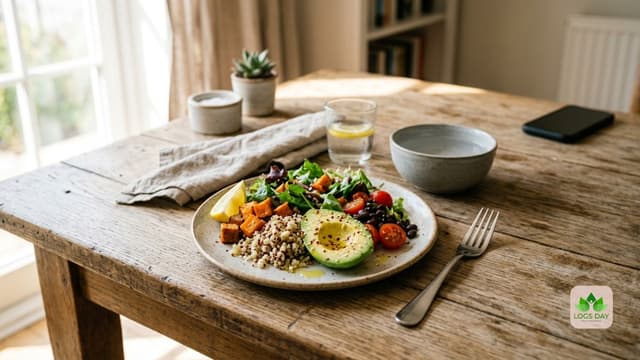
I personally started making a simple bowl… cooled rice, sautéed veggies, and a spoon of homemade curd. It was easy. And my stomach felt calmer. Small cooking tweaks can protect your prebiotic fiber foods without making life complicated.
How Much Should You Eat Daily?
Most adults need around 25–38 grams of fiber daily. Not all of it has to be prebiotic fiber, but a good portion should come from prebiotic foods for gut health.
If you are new to fiber, increase slowly. Sudden large amounts can cause gas and bloating. Start by adding one new food at a time.
For example:
- Add oats at breakfast.
- Include one serving of lentils at lunch.
- Add garlic or onions to dinner.
Over time, your gut bacteria adjust. They become stronger and more diverse.
Prebiotic Supplements: Do You Need Them?
Sometimes diet alone may not be enough. This is where prebiotic supplements come in. They usually contain inulin, FOS, or other fermentable fibers. Supplements can help people with low fiber intake or specific gut issues. But they should not replace whole foods. Whole foods offer vitamins, minerals, and antioxidants along with fiber. Before starting any supplement, talk to a healthcare professional. Start with a low dose to avoid discomfort.
Remember, food first. Capsules second. Always start with prebiotic foods that come from nature.
Expert Tips on Prebiotic Foods for Gut Health
Foods high in prebiotics are important for feeding good gut bacteria and making digestion better. Nutritionists in Vogue say that "prebiotics serve as nourishment for the beneficial bacteria already present in your gut," and that "by fostering a balanced gut environment, prebiotics can help reduce harmful bacteria from thriving, and regulate digestion. "Foods like garlic, onions, bananas, oats, and barley are all good natural sources of friendly microbes. Indian nutrition expert Lovneet Batra also points out that garlic "acts as a prebiotic by promoting the growth of beneficial Bifidobacteria in the gut," and flaxseeds can "promote healthy gut bacteria."
Also read: Plant-Based Diet Tips That Will Change the Way You Eat
Easy Prebiotic Meal Ideas
Here are simple ways to eat more without stress:
- Oats with banana and flaxseeds for breakfast
- Lentil soup with garlic and onions
- Chickpea salad with chopped raw onions
- Stir-fried asparagus with cooled rice
- Apple slices with nut butter
- Sweet potato chaat with lemon
You can mix and match based on your taste. The goal is variety. Different bacteria prefer different fibers.
I like keeping it simple. On busy days managing work and home, I just ensure one fiber-rich item is in every meal. No fancy recipes. Just consistency.
Why Your Gut Bacteria Are “Begging”
Your gut bacteria affect digestion, immunity, metabolism, and even mood. When they lack fuel, your body feels it.
Signs you may need more prebiotics:
- Frequent bloating
- Constipation
- Sugar cravings
- Low energy
- Weak immunity
Feeding them through prebiotic foods for gut health is one of the easiest self-care habits you can build. It does not require expensive products. Just smarter food choices.
Feed Your Gut, Feel the Difference
Taking care of your gut does not have to be confusing. Focus on whole, fiber-rich foods. Understand the difference between prebiotic vs probiotic. Include items from the natural prebiotics list regularly. Use prebiotic supplements only if needed. Your gut bacteria work 24/7 for you. It’s time to return the favor with the right prebiotic foods for gut health.
For more simple and easy health guides and lifestyle updates, keep reading on Logsday.
Sources
- https://www.webmd.com/diet/foods-high-in-prebiotic
- https://pmc.ncbi.nlm.nih.gov/articles/PMC6463098/
- https://www.healthline.com/nutrition/19-best-prebiotic-foods
- https://www.chop.edu/health-resources/food-medicine-prebiotic-foods
- https://www.goodrx.com/well-being/gut-health/best-prebiotic-foods