

510
Have you ever felt tired, cranky, or anxious just a few hours after eating? Or suddenly calm and happy after a good meal? That is not random. Your body is reacting to what you eat in real time. The food and mood connection is stronger and faster than most people think.
Many people believe food only affects weight or long-term health. But the truth is different. What you eat can change your energy, focus, and emotions within hours. A sugary breakfast can make you feel great at first and then leave you drained by noon. A balanced lunch can keep you calm and steady all afternoon.
This article explains everything in very simple terms. You will learn how food affects your mood quickly, why blood sugar crashes matter, and what to eat for better same-day results.
Blood Sugar and Mood Crashes… Why You Feel Low So Fast
Glucose, which comes from the food you eat, is what your body needs to work. Eating a lot of sugar or refined carbs makes your blood sugar go up quickly. This might feel good for a little while. You might feel awake, happy, and active. But this doesn't last. Your blood sugar goes down after the spike. This drop is what makes people feel bad. You might feel tired, annoyed, or even anxious. This is an important part of the food and mood connection.
This is why foods like white bread, sugary cereals, and sweets can affect your mood so quickly. They create a cycle of highs and lows.
Signs of a blood sugar crash include:
- Feeling shaky or weak
- Sudden irritability
- Low energy
- Cravings for more sugar
To avoid this, make sure your meals are balanced. Add healthy fats, protein, and fiber. These slow down digestion and keep your blood sugar level steady. This will also help keep your mood steady.
Understanding blood sugar mood changes is one of the easiest ways to improve how you feel every day. According to Dr. Uma Naidoo, a psychiatrist, "food is not just calories; it is information" that changes the chemistry of the brain and affects emotions. Alaokika Bharwani, a psychotherapist, says that diets high in sugar and processed foods can make depression worse, while diets high in whole foods can help your emotional health.
The Serotonin-Food Connection: How Food Affects Your Happiness
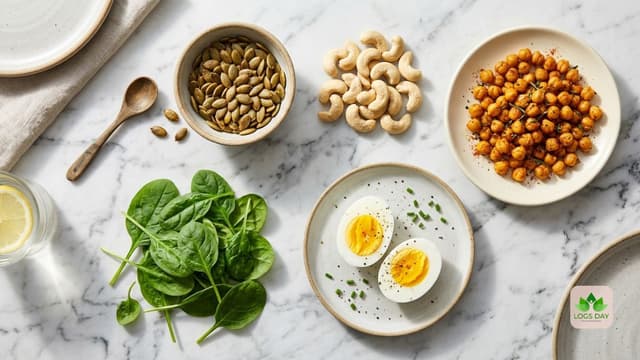
They call serotonin the "feel-good" chemical in your brain. It has a big effect on how you feel, how well you sleep, and your mental health as a whole. A lot of people don't know that food helps your body make serotonin. Some nutrients help your brain make more serotonin. These are vitamins, minerals, and tryptophan. This is where serotonin foods become important.
Foods that support serotonin production include:
- Eggs
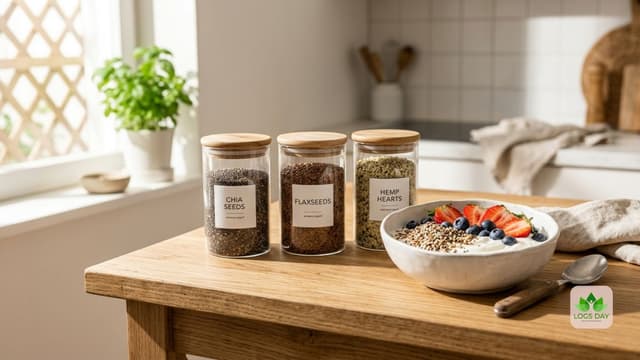
- Nuts and seeds
- Cheese
- Salmon
- Bananas
When you eat these foods, your body uses them to create chemicals that improve your mood. This is another example of the food and mood connection. However, it's not enough to just eat one "happy food." Your whole diet is important. A balanced diet helps improve mental health outcomes.
So, if you are wondering what to eat for better mood, start by adding these foods to your meals every day. Small changes can have a big effect in just a few hours.
Also read: Why Do So Many Men Struggle in Silence with Mental Health?
Foods That Boost Mood Within Hours
Some foods work quickly to improve how you feel. These are called mood boosting foods. They help stabilize blood sugar, support brain chemicals, and provide steady energy.
Here are some simple options you can try today:
- Oatmeal with nuts for steady energy
- Yogurt with berries for gut health
- Dark chocolate in small amounts for a quick lift
- Leafy greens for vitamins and minerals
- Whole grains for long-lasting energy
These are examples of foods that improve mood because they nourish your body and brain at the same time. The key is balance. Combine carbs with protein and fat. This helps your body release energy slowly. As a result, your mood stays stable.
The food and mood connection becomes very clear when you switch from processed foods to whole foods. Within hours, you may feel calmer, more focused, and more positive.
Foods That Cause Mood Crashes
Some foods can quickly make you feel better, while others can make you feel worse. These foods might taste good, but they can make you tired and cranky.
Some foods that can make you feel bad are:
- Drinks and snacks with a lot of sugar
- White bread and other refined carbs
- Foods that are fried and heavily processed
- Sweeteners that aren't natural
These foods can change your mood and blood sugar levels. They cause spikes followed by crashes. This leads to fatigue, mood swings, and even anxiety. Another issue is that these foods don't have enough nutrients. Vitamins and minerals are important for your brain to work well. Your mood gets worse without them.
This is why understanding the food and mood connection is so important. It will help you choose better. Start small instead of cutting everything at once. Switch out one unhealthy snack for a healthier one. Your mood will get better on its own over time. Studies show that nutrition affects neurotransmitters, the stress response, and cognitive function, which makes it an important part of mental health care.
The Caffeine-Anxiety Link
Caffeine is a part of daily life for many people. Coffee, tea, and energy drinks are common. They can make you feel alert and focused. But too much caffeine can increase anxiety.
Caffeine stimulates your nervous system. It can raise your heart rate and make you feel restless. For some people, this leads to nervousness or even panic.
This is especially true if you drink caffeine on an empty stomach. It can also affect your sleep, which then impacts your mood the next day.
Here is how to manage caffeine better:
- Avoid caffeine late in the day
- Do not drink it on an empty stomach
- Limit intake to moderate levels
So, when used wisely, caffeine can help. But, too much of it can disrupt your diet and mental health. Understanding this can help you control your mood better. It is another example of how fast the food and mood connection works.
Alcohol and Mood… What Really Happens
Alcohol may feel relaxing at first. It can reduce stress and help you feel more social. But this effect does not last. After a few hours, alcohol can lower your mood. It affects brain chemicals and can lead to sadness, irritability, or fatigue. It also disrupts sleep, which makes things worse the next day.
Regular alcohol use can have a strong impact on diet and mental health. It can increase anxiety and depression over time.
Here are some simple tips:
- Drink in moderation
- Stay hydrated
- Avoid drinking when already stressed
Alcohol is not a long-term solution for mood. In fact, it often makes things worse. This shows again how the food and mood connection works quickly. What feels good now may not feel good later.
Also read: How to Build a Night Routine That Actually Improves Your Sleep Quality
Hydration and Irritability… The Hidden Link
Many people do not realize how important water is for mood. Even mild dehydration can affect how you feel. When your body lacks water, you may feel tired, confused, or irritable. Your brain needs proper hydration to function well.
Signs of dehydration include:
- Headaches
- Low energy
- Difficulty focusing
- Mood changes
Drinking enough water is one of the easiest ways to improve mood. It is simple but very effective. If you are thinking about what to eat for better mood, do not forget what to drink. Water plays a key role in the food and mood connection.
Try to drink water throughout the day. Do not wait until you feel thirsty. Small habits can make a big difference.
Gut-Brain Axis Simplified
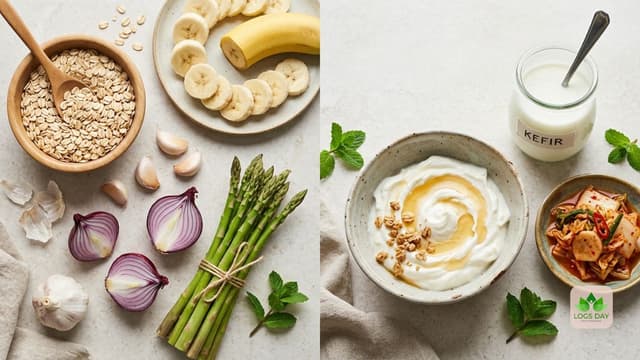
Your gut and brain are closely connected. This is called the gut-brain axis. What happens in your gut can affect your mood. Your gut contains trillions of bacteria. Some are good, and some are not. The good bacteria help produce chemicals that support mood.
Foods that support gut health include:
- Yogurt
- Fermented foods
- Fiber-rich foods
These foods help maintain a healthy balance in your gut. This supports better mood and overall mental health.
This is another important part of the food and mood connection. When your gut is healthy, your brain feels better too.
Taking care of your gut is not complicated. Eat a variety of whole foods and avoid too much processed food.
The Mood-Food Daily Plan
Now let’s make things simple. Here is a practical same-day plan to support your mood.
Morning:
Eat a healthy breakfast to start your day. Try oatmeal with nuts and fruit. This gives you energy that lasts.
Mid-morning:
Eat a small snack, like yogurt or a banana. This keeps your energy up.
Lunch:
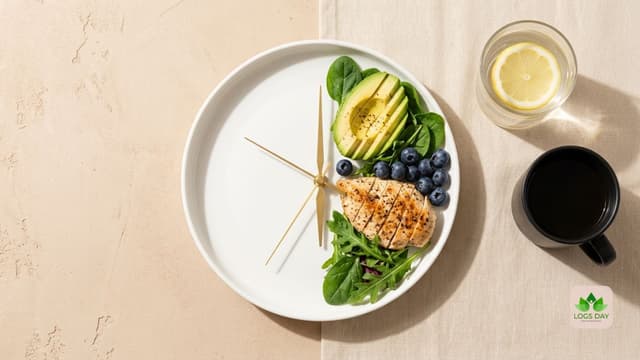
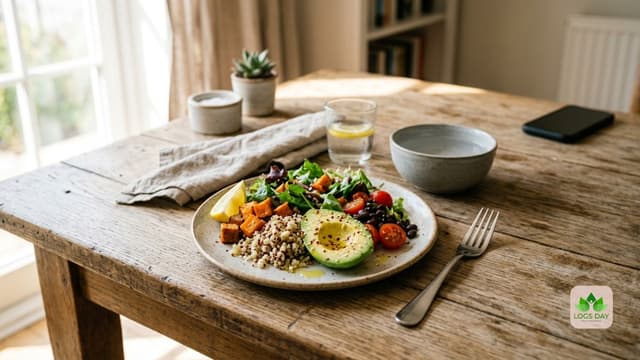
Have a balanced meal that has protein, whole grains, and vegetables in it. This helps you stay calm and focused.
Afternoon:
Pick a healthy snack over sugary ones. Dark chocolate or nuts are good.
Evening:
Take a light meal for dinner. Don't eat heavy or processed foods late at night.
This plan includes foods that improve mood and helps stabilize your blood sugar levels.
Following a simple routine like this makes the food and mood connection work in your favor.
Tracking Food-Mood Patterns
Everyone is different. What works for one person may not work for another. That is why tracking is important. Start by noticing how you feel after meals. Do you feel energetic or tired? Calm or anxious?
You can write this down in a simple journal. Over time, you will see patterns. This helps you understand your own food and mood connection better.
Focus on:
- What you ate
- How you felt after
- Energy levels
- Mood changes
This simple habit can help you make better choices. It will also improve your diet and mental health over time. When you understand your body, you can take control of your mood naturally.
Summing up
The connection between food and mood is real and powerful. What you eat today can affect how you feel within hours. By choosing the right foods, staying hydrated, and avoiding extreme highs and lows, you can improve your mood naturally. Small changes can lead to big results.
Start simple. Make one better choice today. Then build from there.
Want to feel better every single day? Stay with LogsDay for simple, real-life tips that actually work.
Also read: Dopamine Detox: The Complete Guide to Resetting Your Brain in 2026
Sources
- https://foodsformoods.org/the-relationship-between-food-and-mood/
- https://www.consumerreports.org/health/healthy-eating/the-connection-between-food-and-mood-a2665294339/
- https://nationalvitalitylab.org/mental-health-tips/the-food-mood-connection-how-diet-impacts-mental-health/
- https://therecover.com/nutrition-and-mental-health-the-food-mood-connection/
- https://hgic.clemson.edu/the-food-mood-connection-nutrients-that-support-mental-wellness/