
654
Your furniture placement might be ruining your sleep. Discover simple bedroom layout fixes to rest better tonight
Key Takeaways:
- Hidden Bedroom Layout Mistakes
- Simple Changes for Better Sleep
- Create a Calm, Safe Sleep Space
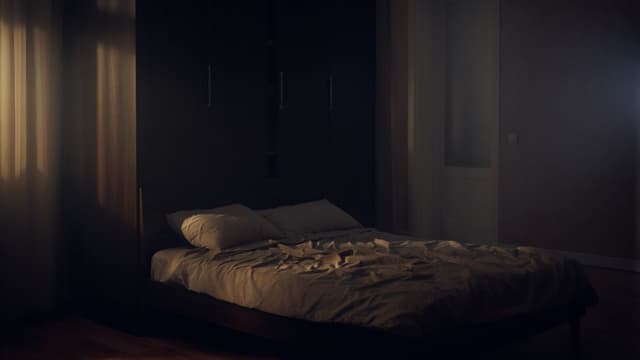
Have you ever blamed your phone, caffeine, or stress for not sleeping well? I used to do that too. For months, I kept waking up at night feeling tired, restless, and strangely anxious. One night, while I was moving things around in my room because I was bored, I noticed something strange. My bed was right in front of the door, next to a noisy window, and surrounded by junk.
That’s when it hit me: your furniture placement might be ruining your sleep without you even realizing it. That night, I shifted some pieces around. The change seemed small, but it made a big difference in how I slept. Sometimes the problem isn't what you do every day; it's where you do it.
Why Bedroom Layout Affects Your Mind More Than You Think
Your brain doesn't completely shut down at night. It stays aware of what's going on around you even when you sleep. If your bed is near a door, your body might stay in a light "alert mode." Your sleep cycle can get messed up if your wardrobe blocks natural light during the day. The way your furniture is arranged can change how air flows, how light comes in, and even how safe you feel. That feeling of unease you sometimes get in your bedroom? It might not be by chance. Your furniture placement might be ruining your sleep by creating subtle stress signals your body reacts to. You may not see it, but your mind feels it. A peaceful layout often creates a peaceful night.
Also read: Modern Living Trends You Can’t Ignore: What’s Hot Right Now
Signs Your Room Setup Is Working Against You
Sometimes the clues are right in front of you. Your body often tells you when something isn't right. These are small signs The way your bedroom is set up could be the problem:
- You wake up feeling tired even after 7–8 hours
- You feel uneasy when lying in bed
- Light hits your face too early
- You hear outside noise clearly at night
- The room feels cramped or heavy
- You scroll your phone because sleep won’t come
Every time I lay down, I felt a little uncomfortable. I thought it was too much thinking. But the stress went away after I changed my room. It made me think about how many of us don't pay attention to these signs.
The Bed Position Mistake Most People Make
The bed is the most important part of your bedroom. But most of us just put it where it fits. A big mistake. Your brain stays alert when your bed is right next to the door. It can feel like a prison when it is pushed up against a wall with no room to breathe. If it is under a window, noise and light from outside can bother you. I put my bed under a window once because it looked nice during the day. Every car that went by at night seemed louder.
That’s when I understood how deeply your furniture placement might be ruining your sleep without obvious signs. A small shift of even one foot can change comfort levels dramatically.
Clutter Around Your Bed Creates Mental Noise
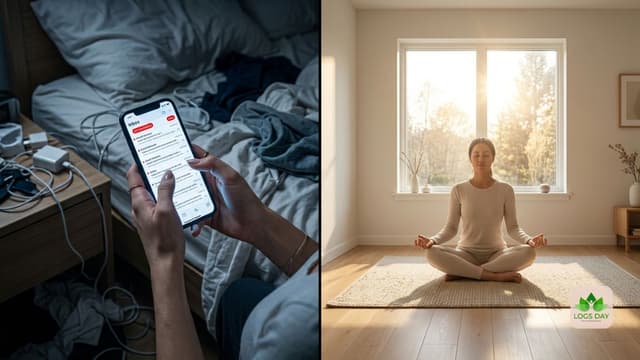
Not all clutter is physical. It turns into a mental thing. When you see piles of clothes, stacked boxes, or random things next to your bed, your brain thinks of them as things you still need to do. This can make you more anxious at night. Your brain begins to work instead of relax. Make sure the area around your bed is clear. Make it easier for your eyes and brain to focus. If you can, try to leave space on both sides of the bed. A basic bedside table with just the essentials is best. The room felt lighter right away when I cleared the floor space around my bed. The air felt like it was fresher. And, surprisingly, I fell asleep faster.
Also read: Stylish Budget Home Decor Ideas You’ll Love
Light, Mirrors, and Hidden Sleep Disruptors
Light affects how you sleep. Your body clock gets confused when your wardrobe blocks natural light in the morning. When streetlights shine directly on your face, it can be hard to sleep deeply. Mirrors are another thing that isn't obvious. If you have large mirrors facing the bed, they can make you more alert because your brain picks up on movement, even reflections. Your nervous system does, even if you don't. This is another reason your furniture placement might be ruining your sleep in ways that feel mysterious. Move mirrors to the side wall. Let morning light enter freely. Block harsh night light with curtains. These small layout tweaks make a powerful difference.
Airflow and Space
Have you ever walked into a room that was clean but still felt "stuffy"? You might not think that where you put your furniture affects how air flows. Air can't flow freely when big cabinets are in the way of windows or doors. At night, the room feels warmer and heavier because there isn't enough air flow. Your body has a hard time cooling down, which is important for getting deep sleep. Leave some space between big pieces of furniture and walls. Don't put big things in corners where they will get crowded. Moving a dresser just a little bit away from the window can help with ventilation. I moved my study desk away from the window once, and the room felt cooler right away at night. It was such an easy fix.
Electronics Placement Could Be Disturbing You
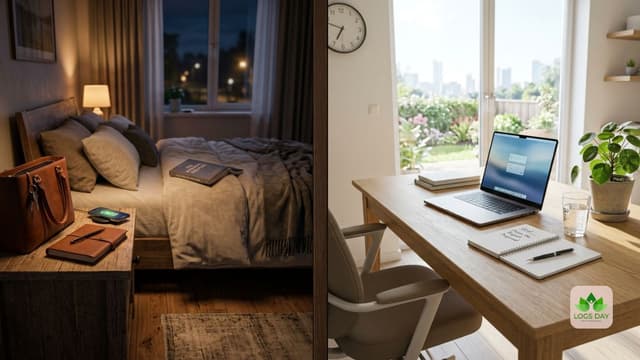
We often think about screens, but not where we put them. Having a TV right across from the bed makes it easy to watch late at night. Having charging cables near your pillow can be a small distraction. Routers next to the bed make lights blink that break up the darkness. Your brain stays active when your bedroom looks like a small office. Make a clear line between work and rest. Don't keep your laptops and other gadgets near where you sleep. Make the area around your bed feel peaceful and holy. The more your room says "rest," the easier it is for your mind to slow down at night.
Also read: How to Save Money on Paint: Simple Tips for Budget-Friendly Painting
Simple Rearrangement Ideas You Can Try Tonight
You do not need to buy new furniture. Start with what you already have. Small changes can create big improvements:
1, Move your bed so you can see the door but not be directly aligned with it.
2. Keep both sides of the bed accessible if possible.
3. Shift heavy storage away from windows.
4. Remove items stored under the bed.
5. Place a soft lamp instead of harsh overhead lighting.
I tried a quick 20-minute rearrangement before bedtime once. I did not expect much. But I slept better that night than I usually do. It showed that comfort isn't always about what you buy, but where you are.
The Psychology of Feeling Safe While You Sleep
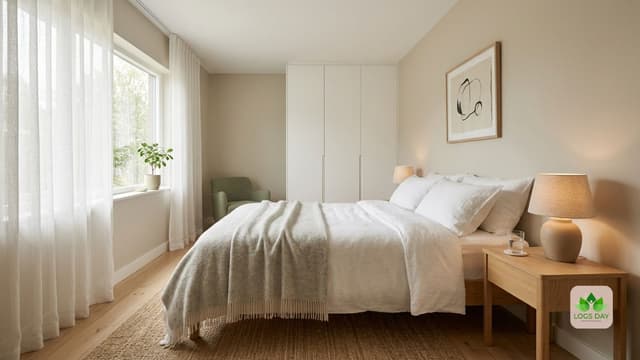
Sleep requires vulnerability. Your body must feel safe enough to relax completely. Your nervous system won't let you get a good night's sleep if your layout makes you feel exposed or boxed in. Put your bed against a strong wall for support. Don't put it in the middle of the room without anything behind it. Clear any obstacles from your path to walk comfortably after dark. When your bedroom is balanced, your breathing slows down on its own. Your heart rate stays the same. That feeling of peace isn't just a coincidence. It's your body reacting well to the things around it. A well-planned layout lets your mind fully relax.
Expert Furniture Placement Tips to Improve Sleep
According to interior designer Barbara Martinuzzi, "One of the most common mistakes in bedroom design is improper furniture placement." She says that big pieces of furniture near the bed can make the space feel cluttered and crowded, which makes it harder to relax. Sleep experts also say that a bad layout can mess up biological rhythms: Experts at Harvard Medical School say that the way light, air, and the flow of the room affect how the body moves through sleep stages. This means that even the position of the bed and the flow of furniture are important. Lastly, feng shui expert Donna Stellhorn says that things and furniture should not hang over the bed, because clutter above the bed can mess with the subconscious mind and make it hard to sleep.
When Small Changes Create Big Sleep Results
We often search for expensive mattresses, fancy pillows, or sleep apps. But we rarely question our room design. The truth is simple; your furniture placement might be ruining your sleep in quiet, unnoticed ways. Look around your bedroom before you blame your stress or schedule. Pay attention to where the light hits. Watch how the air moves. Notice how you feel when you're in bed. Is it calm or a little tense? Your body already knows what to do. Change one thing tonight. Only one. You might be surprised at how rested you feel when you wake up.
Sleep is very personal. Your bedroom should help you, not hurt you. Take your time and look around your space today. Does it really feel peaceful? Small changes can have big effects.
For more simple lifestyle insights that improve your everyday life, keep reading on Logsday.
Also read: Does a Bedroom Need a Closet? Here’s The Modern Take
Sources
- https://pmc.ncbi.nlm.nih.gov/articles/PMC10426856/
- https://www.housedigest.com/1050175/arranging-your-furniture-a-certain-way-may-help-you-sleep-better/
- https://www.thecpapclinic.com.au/articles/sleep-health/bed-setup-psychology-clutter-layout-colours-and-their-impact-on-rest
- https://www.roomstogo.com/inspiration/ideas/link-between-bedroom-furniture-and-sleep
- https://www.housebeautiful.com/uk/decorate/bedroom/a36107572/interior-design-mistakes-sleep/