
935
Discover why natural light still doesn’t reach your home and how layout, urban density, and interior design choices impact indoor brightness.
Key Takeaways:
- Building Layout Affects Sunlight Flow
- Urban Surroundings Limit Direct Light
- Interior Choices Influence Brightness
- Simple Adjustments Can Improve Illumination
Natural light has the power to completely transform space. It makes rooms feel larger, fresher, and more inviting. It improves mood, reduces reliance on artificial lighting, and creates a healthier indoor atmosphere. Yet many homeowners still struggle with dim interiors, even when windows are present. This raises a common concern about why natural light still doesn’t reach your home despite seemingly adequate design.
The reality is that sunlight depends on more than just the presence of windows. Direction, surrounding structures, architectural planning (open plan homes), and even décor choices play a role. When these elements do not align, interiors can feel shaded and enclosed throughout the day. Understanding these hidden factors helps explain why brightness may feel limited in your living space.
Also read: Maximize a Small Room: Smart Strategies to Follow
Building Orientation and Sun Path
Another powerful factor contributing to the fact that natural light does not reach your house yet is orientation. The facing of your home will dictate the amount of direct sunlight entering during the day.
Houses that are positioned in some directions can get softer light or indirect light instead of daylight. Construction of buildings in most residential neighborhoods is done according to the availability of plots instead of an ideal location of sunlight. Consequently, there are rooms shaded during most of the day.
The influence of seasonal changes on the illumination of space has also changed. In some months, the angle of the sun can minimize the quantity of light that gets inside the rooms. Poor directional positioning cannot be covered, even with large windows.
Urban Density and External Barriers
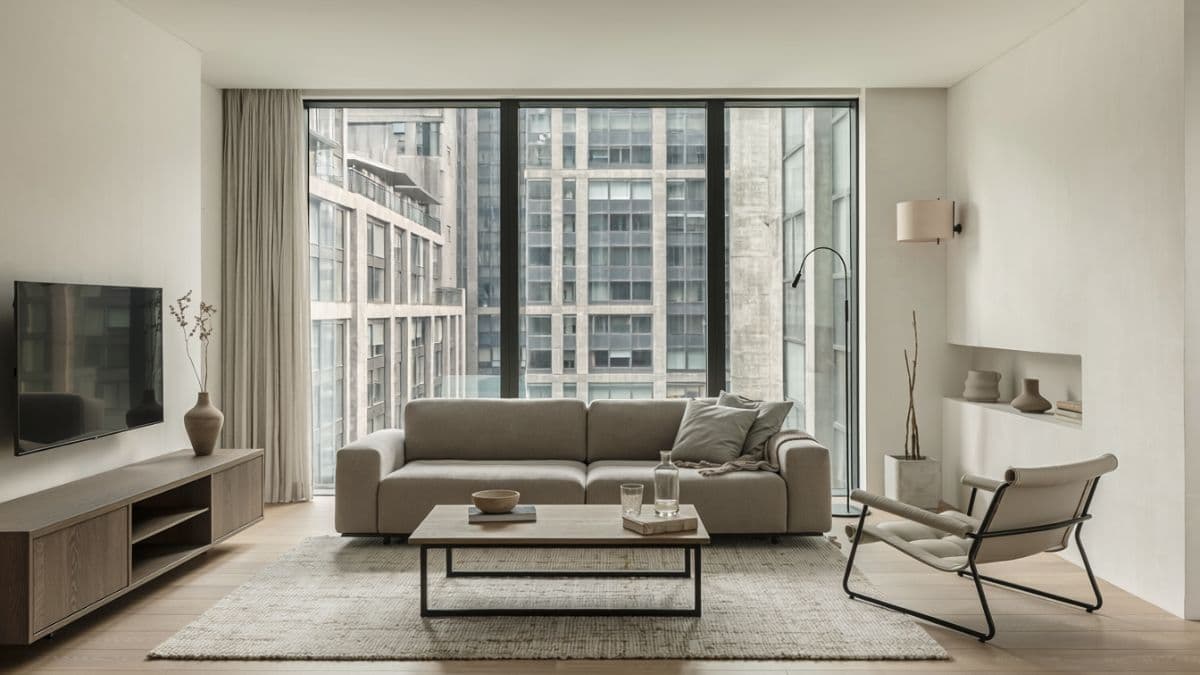
Urban life usually implies a high density of neighboring houses. High-rise buildings, boundary walls, and long balconies may greatly draw up daylight. This is especially true of lower floors, as the path of the sun is blocked by adjacent buildings.
Gardening mistakes, like planting trees directly outside windows, can also lower the brightness. Although greenery is beneficial in cooling, it may be too thick to allow sunlight into the interior. There are covered balconies and architectural overhangs that add to the shading.
Urban congestion is a major contributor to understanding why natural light still doesn’t reach your home, especially in densely populated areas.
Interior Design That Reduces Brightness
The problem is not always external. The dark colors of the walls do not reflect the natural light; they absorb it. Thick blinds and heavy curtains do not let in light, even when windows are open.
Furniture that is large and positioned near the windows does not allow sunlight to evenly spread out in the room. Common home layout mistakes disrupt the light and provide shady corners. Wall and floor matte finishes can also be enough to make spaces look boring.
These design choices may seem minor, but collectively they impact overall illumination.
Also read: Bathroom Remodeling on a Budget: Simple DIY Tricks to Save Thousands
Window Design and Placement
Not every single window is made to provide maximum daylight. Small apertures, high walls or old-fashioned window designs minimize the amount of light penetrating in. In most houses, there is poor window accessibility in kitchens and bathroom since privacy is an issue hence these areas rely on artificial lighting.
The fact that windows are fixed and not fully open in apartments can limit airflow and light diffusion. The use of architectural design during construction has a strong impact on the brightness of a home in the future.
This structural limitation further explains why natural light still doesn’t reach your home even when windows are present.
Environmental and Seasonal Conditions
The availability of natural light varies with the year. Brightness is diminished by the cloud cover in monsoon seasons or during winter months. Urban environments may also filter sunlight to buildings through air pollution and dust particles.
Even clean glass cannot completely cover external environmental factors. These climatic and weather factors over a longer period influence the amount of daylight that gets into your house.
Understanding these conditions adds another dimension to the issue.
Expert Opinion: Light, Health, and Building Design
According to environmental health and architect experts, daylight exposure has a direct impact on comfort and well-being. Studies indicate that the layout of buildings and the infrastructure that surrounds it play a great role in the indoor lighting conditions.
As architectural design professionals at the Whole Building Design Guide noted, the orientation of a given structure, the location of windows, and daylighting strategies that include light shelves, light skylights, etc. play a great role in determining the amount of natural sunlight that penetrates the interior areas.
As per the U.S. Department of energy, the arrangement of windows, glazing and the presence of reflective surfaces that can be utilized to reflect daylight, determine the efficiency that daylight has on spreading in a home. Their study emphasizes the use of architectural planning in determining natural light.
These perspectives show that lighting challenges are often structural rather than personal.
Also read: How to Choose the Right Lighting for Every Room
The Psychological Effect of Dim Interiors
The natural light determines the room's spaciousness and comfort. Dark interiors can render one with a feeling of imprisonment or weakness. Bright spaces, however, tend to be light and airy.
This mental dimension enhances the comprehension of why natural light has never made it to your house. The issue is not visibility only but also the influence that lighting has on mood and perception.
Improving daylight exposure often leads to noticeable emotional benefits.
Practical Ways to Improve Indoor Brightness
Although structural changes cannot be always implemented, little things can go a long way. The light wall color options will help to increase the light reflection. Sheer curtains are able to give sunlight and privacy at the same time.
Hanging mirrors facing windows will help in dispersing the light availed in the room. By moving the furniture out of the windows, one can make the room bright evenly. Maintaining clean windows would mean that as much light enters as possible.
Although these changes may not fully resolve architectural limitations, they can noticeably enhance indoor illumination.
Summing up
Why natural light still doesn’t reach your home is rarely caused by a single issue. It is usually a combination of orientation, urban density, design decisions, and environmental conditions.
Recognizing these factors helps set realistic expectations and encourages practical improvements. Natural light shapes not just the appearance of a space but also how it feels to live in it. Thoughtful adjustments can create brighter, more welcoming interiors even within existing limitations.
Looking for more practical home insights, simple design fixes, and everyday solutions that truly make a difference? Stay connected with Logsday and brighten your living space the smart way.
Also read: How Interior Design Affects Your Mental Health, Mood, and Well-Being