
840
Vitamin C is one of the most popular ingredients in skincare. It tops dermatologist recommended lists, fills drugstore shelves, and appears in nearly every "must-have serum" article online. Yet most people using it are either not seeing results or actively irritating their skin, not because the ingredient doesn't work, but because they are using the wrong form, the wrong concentration, or applying it in the wrong order. Vitamin C benefits for skin are genuinely impressive, but only when you understand what you are actually buying and how to use it correctly.
This guide covers everything: the science, the best forms, how to layer it, what to avoid, and why your current vitamin C serum might not be doing what you think it is.
Also Read - The Subtle Tension Between Mind and Gut
The Full List of Vitamin C Benefits for Skin
The most visible benefit of vitamin C for skin is brightening. Consistent use helps reduce dullness, sunspots, and post-acne marks. Consistently using it removes post-acne spots, sunspots, and overall dullness by decreasing excess melanin in the skin. This is not an overnight occurrence; the majority of individuals notice a visible difference between four to twelve weeks of regular use on a daily basis.
The second significant advantage is collagen support. Collagen levels naturally decrease after your mid-twenties. Vitamin C stimulates the fibroblast cells directly in creating more collagen, making skin firmer, decreasing the appearance of fine lines, and maintaining skin appearance fuller as time goes on.
The third one is environmental protection. Vitamin C does not substitute sunscreen; nothing can, but it greatly helps in improving your skin against UV-related damage and pollution. Research has demonstrated that the use of vitamin C with SPF has significantly greater photoprotection compared to SPF employed alone.
Vitamin C serum benefits also include reducing redness and inflammation, improving skin texture, accelerating wound healing, and strengthening the skin barrier. To anyone with acne scarring, uneven tone or the beginnings of ageing, it covers more territory than virtually any other ingredient-wise.
Also read: Easy And Delicious Weight Maintenance Diet Plan Ideas You’ll Love
Types of Vitamin C Serums
Not all vitamin C for skin products are the same, and this is where most people go wrong. The differences between forms matter enormously.
L-ascorbic acid is the purest and most potent form of vitamin C. It is the best studied and gives the quickest results. It is also the most volatile; it oxidizes fast when it meets the light and air; it is the one that gets irritated the most. In case of your tolerant, oily or normal skin, L-ascorbic acid in the appropriate concentration is the gold standard.
The milder, water-soluble ascorbic acid derivatives are ascorbyl glucoside and sodium ascorbyl phosphate, which are converted into active vitamin C on uptake. They are less irritating, more stable, and preferable to sensitive skin. They are slower but so much more tolerant to beginners.
Ascorbyl tetraisopalmitate is an oil-soluble version which is highly stable and penetrates the skin. It is complementary to other lipid-soluble substances, and it is appropriate to use dry or mature skin.
The most gentle derivative is magnesium ascorbic phosphate. It is also quite comfortable even on sensitive skin and offers an excellent brightening effect without any of the stings that pure vitamin C has.
The best vitamin C for face depends entirely on your skin type and your tolerance level. Start with a derivative if you are new to it. Graduate to L-ascorbic acid once your skin has adjusted.
Concentration Guide
The right concentration is as essential as the right form. In the case of L-ascorbic acid, the range of effectiveness varies between 10 and 20 percent. At less than 10 percent, there are insignificant results. Beyond 20 percent, the irritation rises substantially to no proportional results. Most people would consider the sweet spot to be 15 percent.
In the case of derivatives, effective concentrations are different. Ascorbat glucoside can be used at 2 percent. The sodium ascorbyl phosphate works at 5 percent or higher.
Ascorbyl tetraisopalmitate will give results at 1-3 percent. The percentage in the label does not make sense without understanding what form in question is being used; this is why ingredient label reading is more important than marketing claims.
Also read: Complete Home Workout Plan (No Equipment): 4-Week Program for All Fitness Levels
How to Use Vitamin C Serum
How to use vitamin C serum correctly comes down to four things; timing, layering order, application technique, and consistency.
Use vitamin C in the morning. This is where antioxidant defense is required the most as your skin will be exposed to UV and pollution during the day. Wash your face with clean water and rub vitamin C on dry skin. Allot sixty to ninety seconds to allow it to absorb before applying another layer on it.
The correct vitamin C skincare routine layering order is cleanser, vitamin C serum, other water-based serums, moisturizer, and then SPF as the final step. The second thing to do after cleansing is to put on vitamin C, since this vitamin cannot be absorbed without touching the skin. Its effectiveness is diminished when it is applied to other products.
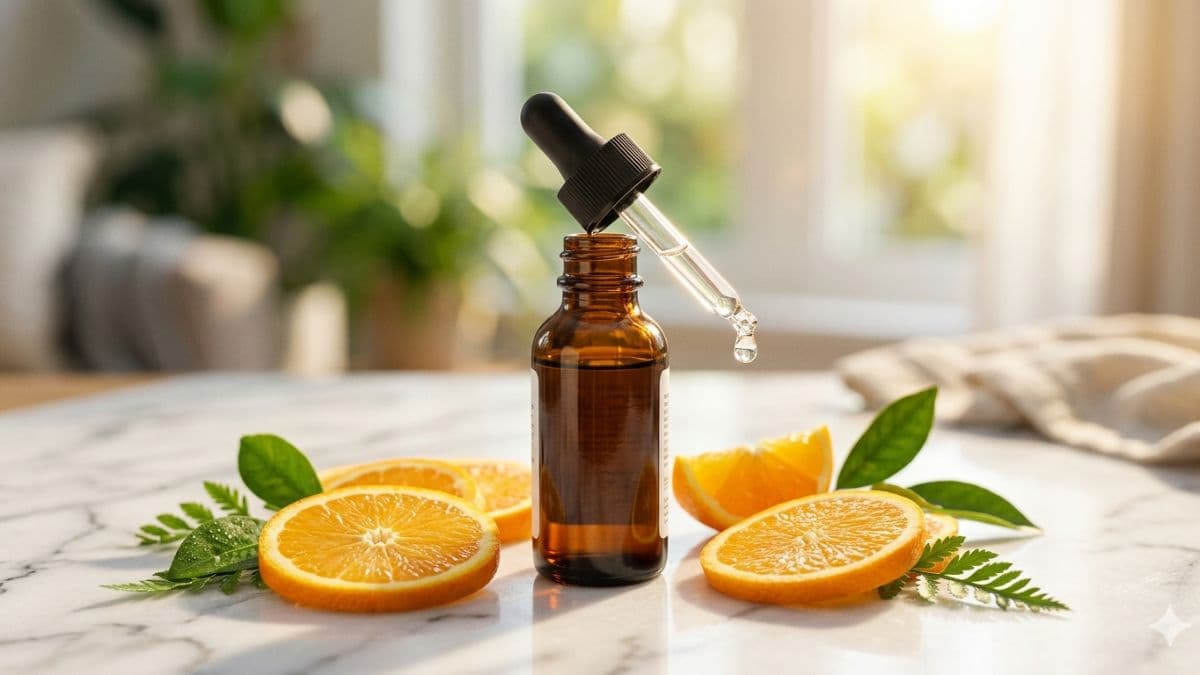
Apply two to three drops to a sufficient extent that they form a thin layer over the entire face. Better results are not achieved by having more products. Press it into the skin lightly instead of rubbing it into the skin as this will make it less effective before it penetrates.
It is all a matter of consistency. A single application won’t deliver results. Visible improvements typically appear after 4–12 weeks of consistent daily use.
Also read: Intermittent Fasting in 2026: Benefits, Risks, Methods & Who Should Avoid It
Layering Vitamin C with Other Actives
Vitamin C and niacinamide is one of the most debated combinations in skincare. The ancient rule was never to combine them, as they were expected to neutralize each other, or flush. This has been generally disproven by recent studies. They should be used concurrently and are, in fact, complementary at normal levels of skincare concentrations and stable contemporary formulations. Vitamin C makes skin bright and protective, and niacinamide regulates oil, lessens redness and enhances the barrier. Because of these effects, many people include them in their routine to experience the vitamin c benefits for skin, especially when the goal is a healthier and more even complexion.
Vitamin C is also a good match with SPF, ferulic acid, and vitamin E; ferulic acid is strongly beneficial to the stability and performance of L-ascorbic acid; this is why most good serums contain all three.
Vitamin C is not compatible with retinol in the same step. Both are active components, which are optimally active in varying pH conditions. Vitamin C is a low PH vitamin whereas retinol is high PH. Take vitamin C in the morning and retinol in the evening. Do not apply them at the same time. Irritation may also be caused by the vitamin C and AHAs or BHAs applied in the same step because they have conflicting pH conditions. When you use exfoliating acids, use them in the evening and have vitamin C in your morning routine.
DIY Vitamin C Serum Recipe
Making your own vitamin C for skin serum at home is possible but requires care.
It is a basic, non-complicated recipe. Combine 1 teaspoon of powdered L-ascorbic acid with one tablespoon of distilled water and a half teaspoon of vegetable glycerin. Combine and stir until the powder dissolves. Add 2 drops of ferulic acid (where possible). Pour into a dark glass dropper bottle. This yields a 10 percent concentration of serum.
Apply it for a week and keep it in the refrigerator. Once it becomes yellow or orange, dispose of it, because oxidized vitamin C will not make the skin any lighter; it has the potential to slightly discolor the skin. Home-made serums are a cheap alternative to users who are very economical but demand a high level of hygiene and rapid usage.
Storage Tips
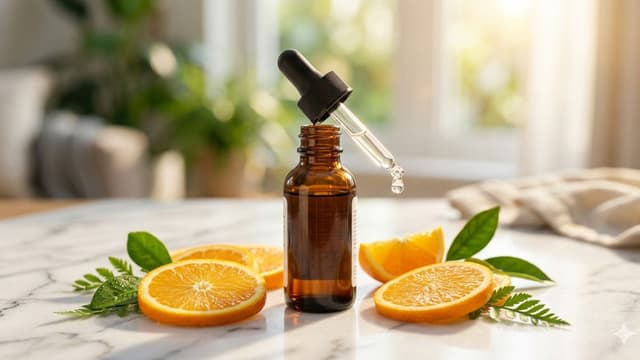
Vitamin C is notoriously unstable, and storage directly affects how long your product stays active. Keep your serum in a dark, opaque bottle; amber glass is ideal. Store it away from light and heat, ideally in a drawer or medicine cabinet rather than on a windowsill or bathroom shelf. Some people refrigerate their vitamin C serum, which is not necessary but does extend its effective life. Fresh serum should be pale yellow or clear. A serum that has turned dark orange or brown has oxidized and should be replaced. Do not buy vitamin C products in clear packaging or wide-mouth jars; both accelerate oxidation rapidly.
Also read: Small Habits That Make You Mentally Strong In Just 30 Days
Side Effects and Who Should Be Cautious
Vitamin C serum benefits come with a small number of potential side effects worth knowing. Tingling and mild redness after application are common, especially with L-ascorbic acid at higher concentrations. This usually settles within the first two weeks as skin adjusts. Persistent burning, significant redness, or breakouts suggest the concentration is too high, or the form is too harsh for your skin type. Switch to a gentler derivative.
People with rosacea or highly reactive skin should start with magnesium ascorbyl phosphate at a low concentration and patch test before full application. Vitamin C can also temporarily make skin more photosensitive, which is another reason morning application followed immediately by SPF is the correct approach.
Final Words
Vitamin C benefits for skin are well within reach for most people. The trick is to select the appropriate form according to your skin type, begin with the appropriate concentration, apply it in the appropriate sequence, and allow it ample time to act. The majority of individuals who have lost hope with vitamin C just had the wrong one. When paired with the right one, it is also one of the most truly effective ingredients in skincare, not due to marketing, but because the science behind it is exceptionally robust.
For more simple, honest insights on sleep, skin care, and everyday wellness, keep reading LogsDay.