
485
Summer feels exciting until your body suddenly reminds you that humans were not designed to function like phone batteries left inside a hot car.
Higher temperatures affect hydration, sleep, energy levels, skin health, exercise recovery, and even mental well-being. That is why a proper summer wellness routine matters more than most people realize.
The good news is that staying healthy during summer does not require extreme detox plans, expensive supplements, or pretending cucumber water changed your personality overnight.
Simple seasonal habits can improve energy, protect your health, and help your body handle heat more effectively. This guide covers practical summer health tips backed by trusted health recommendations and real-world logic.
How Summer Changes Your Body
Hot weather affects the body in several ways. Your body temperature rises faster, sweating increases, and fluid loss becomes more common throughout the day.
According to the Centers for Disease Control and Prevention, high temperatures can increase the risk of dehydration, heat exhaustion, and heat-related illness, especially during outdoor activity.
Summer also changes sleep patterns, appetite, exercise performance, and skin sensitivity. Some people even notice mood shifts during seasonal transitions.
Understanding these changes helps people build a summer wellness routine that supports the body instead of fighting against the season.
Hydration Science: How Much Water Do You Really Need in Summer?
Hydration becomes one of the most important parts of summer wellness.
During hot weather, the body loses more fluids through sweat. Physical activity, humidity, and sun exposure increase water loss even further. That is why many people feel tired, dizzy, or mentally foggy during summer without realizing dehydration plays a role.
According to Mayo Clinic, hydration needs vary based on age, activity level, climate, and health conditions. There is no perfect “one-size-fits-all” number, but most adults need more water during summer than they do in cooler months.
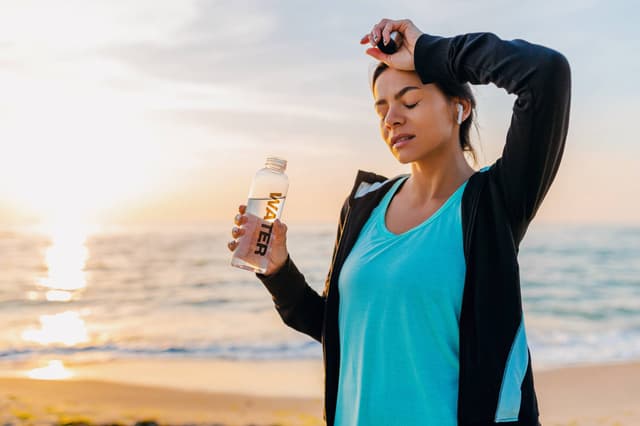
Instead of obsessively counting liters like you are preparing for a hydration Olympics, focus on consistency. Drink water regularly throughout the day, especially before and after outdoor activity.
Following the best hydration habits for hot weather also includes eating water-rich foods throughout the day. Watermelon, cucumber, oranges, strawberries, tomatoes, and lettuce support hydration naturally.
Sunscreen Guide 2026: What Actually Matters
Many people apply sunscreen once in the morning and then spend the rest of the day confidently roasting under the sun like seasoned barbecue vegetables.
Unfortunately, sunscreen does not work that way.
The American Academy of Dermatology recommends using broad-spectrum sunscreen with SPF 30 or higher to help protect against UV damage.
Mineral sunscreens usually contain zinc oxide or titanium dioxide and sit on top of the skin to block UV rays. Chemical sunscreens absorb UV rays before they damage the skin. Both can work effectively when applied correctly.
The most important factor is proper use. Reapply sunscreen every two hours during sun exposure, especially after sweating or swimming.
Higher SPF numbers do not create magical invincibility either. SPF 30 already blocks most UVB rays when applied properly. The bigger problem is that many people simply do not apply enough sunscreen in the first place.
Summer Nutrition: Eat Lighter, Feel Better
Heavy meals often feel worse during extreme heat because digestion itself increases body temperature slightly.
That is why lighter meals usually feel more comfortable during summer. Seasonal fruits, vegetables, lean proteins, and water-rich foods help support hydration and energy levels without creating unnecessary heaviness.
Summer foods for health may include berries, leafy greens, yogurt, grilled vegetables, citrus fruits, smoothies, and simple balanced meals.
Nutrition during summer should focus more on consistency and hydration than aggressive diet trends.
Summer Exercise Safety: Avoid Heat-Related Problems
Exercise still matters during summer, but heat changes how the body responds to physical activity.
According to Cleveland Clinic, exercising in high temperatures increases the risk of dehydration, overheating, dizziness, and heat exhaustion.
The safest approach involves adjusting workout timing and intensity. Early mornings or evenings usually work better than midday workouts when temperatures peak.
Wear lightweight clothing, hydrate consistently, and reduce exercise intensity if the heat feels overwhelming. Pushing through extreme heat rarely turns someone into a fitness legend. Usually, it just creates regret and a headache.
This section can internally link naturally to your exercise content.
Why Summer Sleep Feels Worse Sometimes
Many people notice poorer sleep during summer, and there is a scientific reason behind it.
The body naturally sleeps better when core temperature drops slightly at night. Hot weather makes that process harder, especially in humid environments.
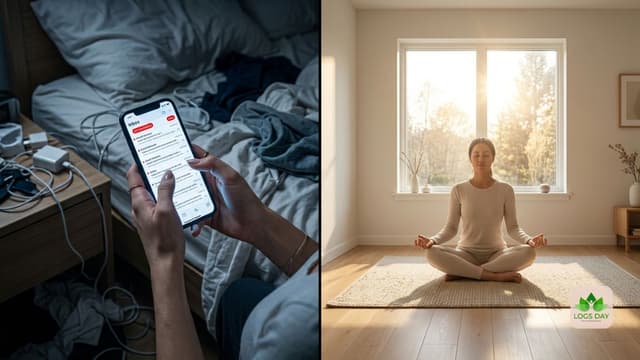
Following simple sleep habits for better recovery can improve sleep quality significantly during hot summer nights:
- Keep the bedroom cooler if possible
- Reduce heavy meals late at night
- Limit screen exposure before bed
- Use breathable bedding and clothing
According to Sleep Foundation, cooler sleep environments support better sleep quality and recovery.
Heat Exhaustion vs Heat Stroke: Know the Difference
Heat exhaustion and heat stroke are not the same condition.
Heat exhaustion usually includes heavy sweating, weakness, dizziness, nausea, headache, and muscle cramps. The body still attempts to cool itself, but it struggles under excessive heat.
Heat stroke is far more dangerous. Symptoms may include confusion, high body temperature, rapid pulse, loss of consciousness, or stopped sweating despite extreme heat.
According to National Weather Service, heat stroke requires immediate medical attention because it can become life-threatening quickly.
Heat exhaustion prevention starts with hydration, shade, lighter clothing, and avoiding intense activity during extreme temperatures.
Summer Skin Care Needs Change Too
Skin behaves differently during summer because heat, sweat, humidity, and UV exposure increase oil production and irritation risk.
Heavy winter products may suddenly feel greasy during hot weather. Many people benefit from lighter moisturizers, gentle cleansers, and consistent sunscreen use during summer months.
Sweat and heat can also trigger acne, clogged pores, and skin irritation. Washing sweat off gently after exercise or outdoor activity can help reduce breakouts without over-drying the skin.
Seasonal Mental Health: Yes, Summer SAD Exists
Most people associate seasonal depression with winter, but summer seasonal affective disorder also exists.
According to National Institute of Mental Health, some people experience anxiety, irritability, sleep disruption, or mood changes during summer months.
Heat, disrupted sleep, body image pressure, social comparison, and schedule changes may all contribute to summer emotional stress.
Mental wellness during summer still matters. Rest, hydration, healthy routines, movement, and realistic expectations support emotional balance throughout the season.
Outdoor Wellness Activities Ranked by Realistic Enjoyment
Not every outdoor wellness activity needs to involve mountain climbing at sunrise while someone films motivational content nearby.
Simple outdoor activities often work best because they feel sustainable and enjoyable in real life.
Walking, swimming, cycling, outdoor yoga, gardening, nature trails, and evening sports all support movement, sunlight exposure, and stress reduction without extreme pressure.
The best activity is usually the one you will actually continue doing consistently.
Summer Wellness for Kids
Children face higher risks of dehydration and heat-related illness because they may not recognize symptoms early.
Parents should encourage regular hydration, lighter clothing, sunscreen use, shaded breaks, and reduced outdoor activity during extreme afternoon heat.
Healthy snacks, proper sleep, and balanced summer routines also help children maintain energy and emotional stability during school breaks.
Most importantly, teach kids that sunscreen is part of health care, not punishment for wanting to go outside.
Final Thoughts
A healthy summer wellness routine does not need to feel complicated or restrictive.
Simple habits like staying hydrated, protecting your skin, improving sleep, eating balanced meals, and exercising safely can make a major difference in how your body handles seasonal heat.
The goal is not becoming a perfectly optimized “summer wellness person.” The goal is feeling healthier, safer, and more energized while enjoying the season realistically.
Your body already works hard during summer. Good wellness habits simply help it do the job more comfortably.