
761
Your home affects your health more than most people realize.
The air you breathe, the lighting you use, the products you clean with, and even the layout of your rooms can influence sleep quality, stress levels, focus, and overall well-being. A healthy home environment is no longer just a design trend in 2026. It has become part of everyday wellness.
Modern homes often trap pollutants, artificial light, excess noise, and chemicals indoors. At the same time, people now spend more hours inside than ever before. That combination makes indoor wellness more important than many expensive health habits people chase online.
Thankfully, creating a wellness-focused home does not require turning your living room into a futuristic biohacking laboratory. Small practical changes usually make the biggest difference.
This guide explains realistic healthy home environment tips that support cleaner air, better sleep, healthier routines, and a more balanced lifestyle.
Why Your Home Environment Impacts Your Health
Your body constantly reacts to your surroundings.
Poor ventilation, harsh lighting, clutter, noise, and synthetic chemicals may affect stress, focus, sleep, and respiratory health over time. Research from the Environmental Protection Agency has shown that indoor air can sometimes contain higher concentrations of pollutants than outdoor air.
You can review their indoor air quality guidance here: EPA indoor air quality guide
A wellness home design focuses on reducing unnecessary environmental stress while supporting healthy routines naturally. The goal is not perfection. The goal is creating a space that helps your body recover instead of constantly overstimulating it.
Because honestly, if your bedroom feels like a nightclub mixed with a storage room, quality sleep probably will not appear through positive thinking alone.
Indoor Air Quality Matters More Than Most People Think
One of the most important healthy home tips involves improving indoor air quality.
Indoor pollutants often come from cleaning products, smoke, synthetic fragrances, dust, mold, cooking fumes, furniture materials, and poor ventilation.
Many modern products release volatile organic compounds, commonly called VOCs, which may affect respiratory health and indoor comfort over time.
Simple habits can improve indoor air quality significantly. Opening windows regularly helps circulate fresh air. Exhaust fans reduce moisture and cooking pollutants. HEPA air purifiers may also help lower airborne particles like dust and allergens.
For people focused on cleaner living spaces, improving air quality often creates noticeable benefits for comfort, breathing, and sleep quality.
Natural Light Plays a Major Role in Wellness
Lighting strongly affects your circadian rhythm, which controls sleep and wake cycles.
Natural daylight exposure during the morning helps regulate energy, focus, and melatonin production later at night. In contrast, excessive bright artificial light during evening hours may interfere with sleep quality and recovery.
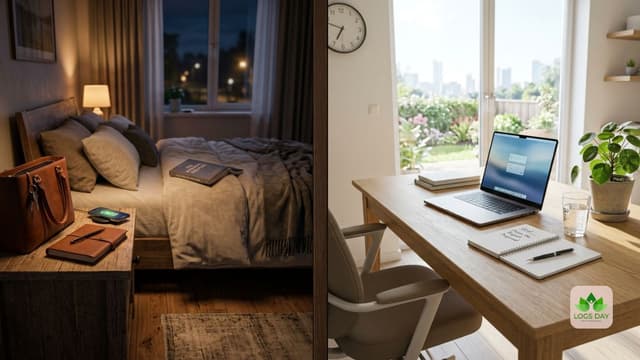
One of the easiest healthy home environment tips is maximizing natural light during daytime hours. Open curtains early, position workspaces near windows, and reduce unnecessary screen exposure before bed.
Warm lighting during the evening generally feels calmer than extremely bright white lighting late at night. Your brain still responds to light patterns even if your phone convinces you that scrolling videos at midnight counts as relaxation.
Do Houseplants Really Improve Indoor Wellness?
Houseplants remain popular in wellness home design, but the science deserves realistic expectations.
Research suggests some indoor plants may remove certain airborne compounds under controlled conditions. However, normal household spaces would require a very large number of plants to create dramatic air-purifying effects.
That does not make plants useless.
Indoor plants may still improve mood, visual comfort, and stress perception while helping spaces feel calmer and more connected to nature. Snake plants, pothos, peace lilies, and spider plants remain popular because they are relatively low maintenance.
Realistically, even if a plant improves your mood more than your oxygen levels, that still counts as a valuable upgrade.
Adding more indoor plants can also make spaces feel calmer and more connected to nature. Your indoor gardening for wellness guide can help readers choose beginner-friendly plants for healthier living spaces.
Create a More Non-Toxic Home Environment
Many cleaning products contain strong fragrances and harsh chemicals that remain indoors long after cleaning ends.
Creating a non toxic home does not require throwing away every household product overnight. Small practical swaps usually work best.
Choosing fragrance-free products, improving ventilation during cleaning, and reducing unnecessary aerosol sprays may help lower indoor chemical exposure. Simple alternatives like vinegar, baking soda, and unscented soap solutions often handle basic cleaning effectively without overwhelming indoor air quality.
Modern cleaning products sometimes smell like “tropical storm waterfall breeze,” but your lungs rarely requested that experience.
EMF Reduction Should Stay Practical
EMF conversations online often become unnecessarily dramatic, but healthier technology habits still matter.
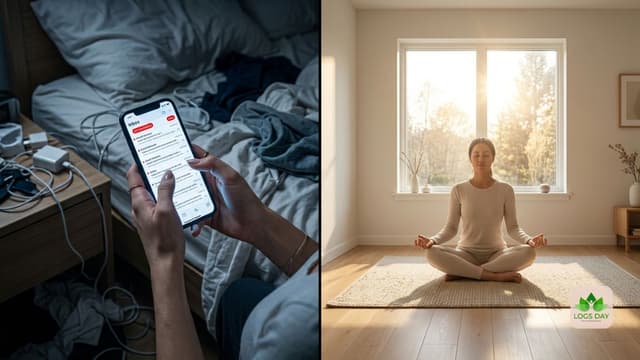
Reducing screen exposure before bedtime may support better sleep and lower mental overstimulation. Keeping phones away from pillows, reducing overnight notifications, and limiting unnecessary electronics in bedrooms can all create calmer sleeping environments.
The goal is improving recovery and reducing digital overload rather than treating your Wi-Fi router like a supervillain from a science-fiction movie.
Build a Bedroom That Supports Better Sleep
Your bedroom environment strongly affects recovery, stress levels, and sleep quality.
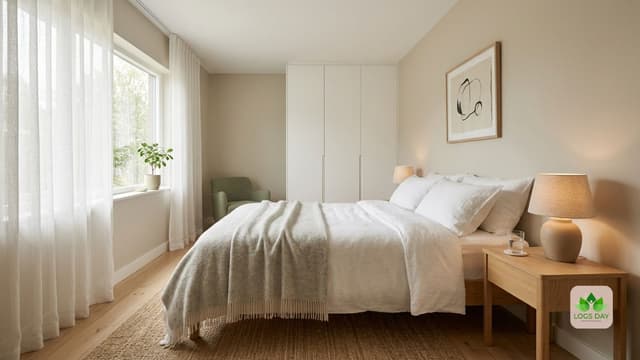
A healthy bedroom setup should feel calm, cool, dark, and comfortable. Reducing clutter, limiting harsh lighting, improving airflow, and minimizing unnecessary noise may all support deeper sleep.
Blackout curtains and softer evening lighting often help people prepare for sleep more naturally. Room temperature also matters because cooler sleeping environments generally support better rest.
Poor sleep affects appetite, mood, focus, and recovery throughout the day. Improving your sleep environment for better recovery may create noticeable improvements in both physical and mental wellness.
Kitchen Design Quietly Shapes Eating Habits
Your kitchen setup influences daily food decisions more than most people notice.
When healthy ingredients remain visible and accessible, people usually make better eating choices more consistently. In contrast, cluttered kitchens filled with processed snacks often encourage convenience eating and mindless habits.
Organizing healthy foods clearly, reducing unnecessary clutter, and using simple storage systems can make balanced eating feel easier during busy days.
Small environmental changes often influence behavior more effectively than motivation alone. That is why reorganizing a kitchen sometimes works better than downloading another “life-changing” nutrition app you forget about three days later.
Bathroom Wellness Upgrades Matter Too
Bathrooms often contain hidden sources of moisture buildup, synthetic fragrance exposure, and unnecessary plastic waste.
Proper ventilation matters because excess humidity increases the risk of mold growth. Fragrance-free personal care products may also help reduce irritation for sensitive individuals.
Many people now choose reusable alternatives, refillable containers, and reduced-plastic products where practical. The goal is not perfection. The goal is creating healthier routines that feel realistic long term.
Nobody suddenly transforms their entire life because they purchased an aggressively eco-friendly toothbrush.
Color Psychology Affects Mood More Than You Think
Color psychology plays a subtle but important role in home wellness.
Soft neutrals, muted greens, earth tones, and natural textures often create calmer environments compared to overly harsh or chaotic designs. Highly cluttered or visually overstimulating spaces may increase stress and mental fatigue over time.
That does not mean every healthy home must look identical. Personality still matters. A wellness-focused interior design approach simply aims to create spaces that feel balanced, comfortable, and functional rather than overwhelming.
For readers exploring calming layouts and aesthetics, your interior design content can connect naturally here.
The Growing Concern Around Microplastics in Homes
Microplastics have become one of the biggest wellness conversations in 2026.
These tiny plastic particles may come from synthetic fabrics, packaging, dust, cookware, and household materials. Researchers continue studying their long-term health effects, but many people now prefer reducing unnecessary exposure where possible.
Simple habits may help lower microplastics in home environments. Using glass or stainless-steel storage containers, reducing heavily scratched plastic cookware, improving ventilation, and vacuuming regularly with HEPA filtration can all help reduce indoor particle buildup.
Completely avoiding plastics in modern life remains unrealistic. Reducing unnecessary exposure is a much more practical and sustainable goal.
Try a Simple Wellness Audit for Every Room
One of the best healthy home environment tips is evaluating your home room by room.
Ask yourself whether each space supports comfort, relaxation, and healthy habits. Look at lighting, ventilation, clutter, air quality, and how the room actually makes you feel during daily use.
Wellness-focused homes usually improve through small consistent changes instead of dramatic overnight redesigns. Better sleep, cleaner air, healthier routines, and calmer environments often develop gradually.
Final Thoughts
A healthier home does not require expensive gadgets, luxury renovations, or extreme wellness trends.
Better air quality, balanced lighting, improved sleep environments, healthier cleaning habits, and thoughtful design choices often create the biggest long-term benefits. Small realistic changes usually work better than trying to transform your house into a futuristic wellness retreat over a single weekend.
The best wellness home design quietly supports your everyday life. It helps you sleep better, breathe easier, focus longer, and feel more comfortable without constantly demanding attention.
And thankfully, creating a healthier home still costs far less than trying to fix burnout using scented candles and motivational podcasts alone.