
1631
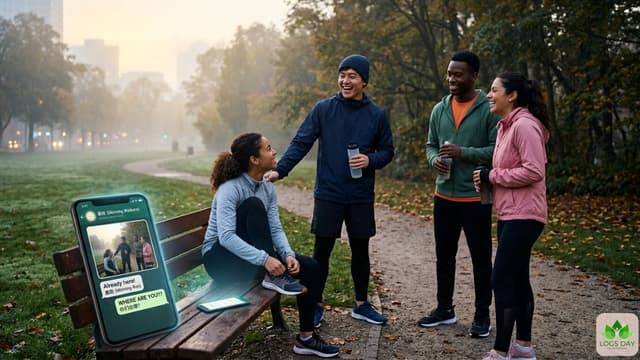
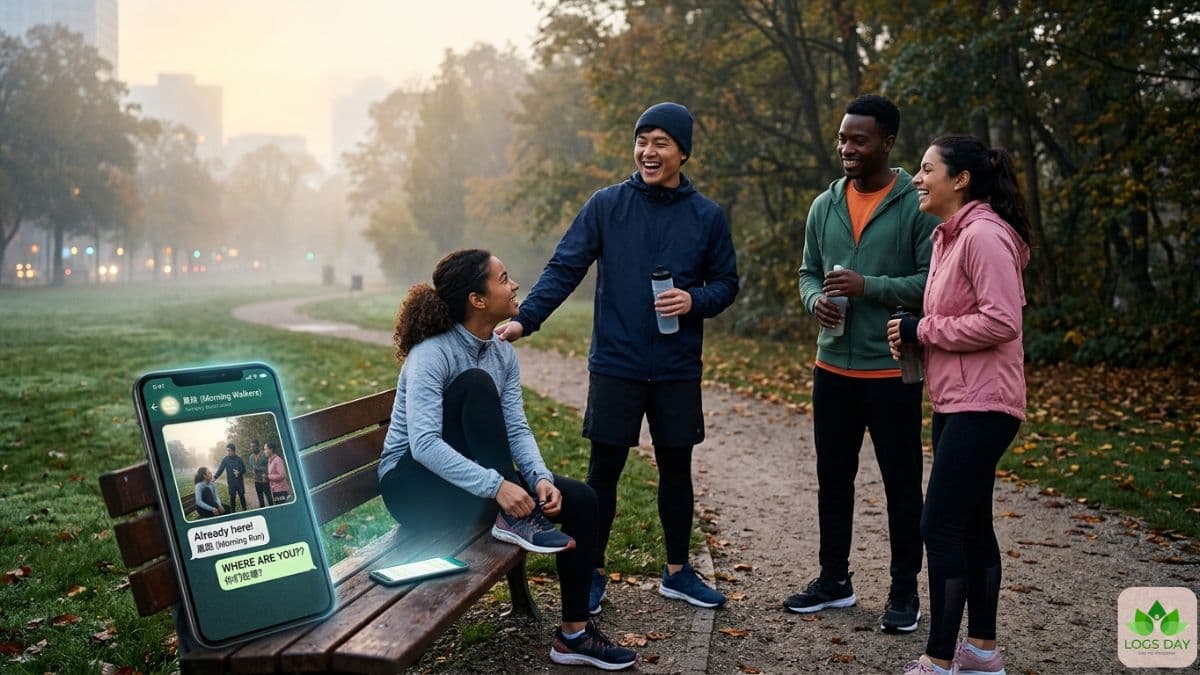
It is 6 a.m. Your alarm rings. You feel sleepy. Your bed feels cozy. You almost decide to skip your workout again. Then your phone lights up. Your walking group has already started sharing selfies from the park. One friend writes, “Where are you?” Suddenly, you sit up. You drink water. You wear your shoes. And somehow, you reach the park.
That is the magic of working out with others. Exercise feels different when people support you. You laugh more. You push harder. You stay longer. Even difficult workouts feel lighter. Science also supports this idea. Researchers have found that people often perform better in groups than alone. They stay more consistent. They feel happier. Many even report lower stress levels.
The biggest surprise is this. You do not need to become an athlete to enjoy these changes. Simple group activities can create powerful results. A walking club, yoga class, dance session, or cycling team can slowly improve both body and mind.
That is why experts keep talking about science-backed group exercise benefits. These benefits are not just emotional. They are physical and psychological too. Group workouts can improve discipline, energy, and confidence in ways that solo workouts sometimes cannot.
We will cover the psychology of social workouts, the famous Kohler effect, the rise of online communities and even the best group workout formats for different goals here. We will also explore how introverts can have a fulfilling fitness experience without feeling overwhelmed.
The Psychology Behind Social Exercise
Humans are social by nature. We mimic behavior. We learn from the people around us. So, it makes sense that exercising with other people feels right. When one person moves, often others will follow.
Scientists call this "social facilitation." It means people tend to do better when there are other people around. Even little tasks seem easier when you do them in a group. A runner can be faster when there are other runners around. A yoga beginner might hold poses longer if they see others remain focused. This is one reason why science-backed group exercise benefits are becoming so popular today. Group settings create emotional energy. People encourage each other without even trying. A smile from a teammate or a simple “good job” can instantly improve motivation.
There is also another emotional layer. Group workouts reduce feelings of loneliness. Many adults spend long hours working, scrolling online, or sitting indoors. A fitness class creates connection. People start talking before workouts. They celebrate progress together. Slowly, strangers become friends.
The brain also responds well during social movement. Research shows that exercising with others boosts feel-good chemicals like endorphins. This improves mood and reduce stress. That's why a people often say group workouts are more exciting than working out by yourself. The emotional aspect of fitness is more important than a lot of people realize. If a person likes to exercise, they are more likely to continue. This consistency leads to better long-term health.
“Those with stronger social support are more likely to be physically active,” says Dr. Elise Rice of the NIH, who adds that exercising with others makes it easier to stay consistent and motivated.
Also read: Protein Needs Explained: Finding the Right Amount for Your Body, Goals & Lifestyle
The Accountability Effect… Why People Quit Less in Groups
Many people start fitness routines with excitement. They buy shoes. They plan schedules. They promise themselves they will stay consistent. But after a few weeks, motivation fades.
This is where accountability changes everything. When people join a group, skipping workouts becomes harder. Others notice absence. Friends send messages. Coaches ask questions. This creates healthy pressure.
Experts often mention science-backed group exercise benefits when discussing consistency. People who feel accountable to others usually show up more often. A workout partner waiting outside your home can become stronger motivation than an alarm clock.
The emotional connection matters too. Nobody wants to disappoint supportive teammates. Even a casual walking club can improve discipline. Members encourage each other during difficult days. They celebrate small wins together. This effect becomes stronger over time. Once exercise becomes part of a social routine, it feels less like work and more like a habit. That is why many beginners stick longer with group classes than solo gym plans.
The accountability effect can also be activated in times of stress. Those with busy jobs or family pressure tend to give up exercise first. But group support can cover routine. A simple “Come for twenty minutes” from a friend can be enough to keep the momentum going.
This is one of the biggest group exercise benefits people notice. The group keeps moving forward together. Even when their energy is low, they carry on, because they know they are not alone. Sports psychologist Dr. Steve Durant notes that group fitness provides “a huge oxytocin boost and dopamine rush,” which can help boost mood and emotional wellness. A 2026 analysis found supervised group exercise may be even more effective at reducing depression, as it adds “structure, social connection, and accountability.”
Motivation and the Kohler Effect Explained
One of the most interesting concepts in fitness psychology is the Kohler effect. The Kohler effect explains why weaker teammates tend to work harder with stronger teammates. Researchers have found that people work harder when they think their performance matters to the group.
Picture two people riding a bike challenge together. One person is a bit faster. The slower partner suddenly pushes harder so as not to slow the team down. This additional effort can improve performance. That is why many researchers discuss science-backed group exercise benefits while studying motivation. Group energy changes behavior. People naturally try harder when they feel connected to others.
The Kohler effect works because people don’t like to be the “weak link.” Interestingly, though, the effect is usually positive rather than stressful. Many people feel inspired. Not judged. This is also why classes feel exciting. Beginners look at experienced members and realize that they can do better. The environment silently encourages effort.
The same thing happens in running groups. New runners often increase pace naturally while training with experienced runners. These are some of the hidden running club benefits many people never expect. The Kohler effect also explains why fitness challenges become popular online. Seeing others complete difficult goals creates motivation. People think, “If they can do it, maybe I can too.”
Still, balance matters. Groups should motivate, not shame. Healthy teams encourage progress without creating fear. Supportive environments create confidence. Toxic competition creates anxiety. The best fitness communities understand this difference very well.
Why Pain Feels Smaller During Group Workouts
Have you ever noticed how difficult workouts feel easier in a group? There is real science behind this experience.
Researchers studying science-backed group exercise benefits found that people often report lower pain levels when exercising with others. Group workouts make it much easier for people to get through tough times. Music, conversation, cheering and movement together can make you forget tiredness and discomfort. The pain is not completely gone, but it often feels more manageable when you are around a group of people.
You can see this easily in races or fitness classes. Many long-distance runners say they perform better at events than when training by themselves. The crowd and the support from others, the excitement and emotional strength.
Experts now study this idea through social workout science. This field looks at how human connection affects exercise performance and emotions. Some studies suggest that moving in sync with others may even strengthen emotional bonding. That is one reason dance groups, rowing teams, and cycling classes often feel so energizing.
Shared workouts build confidence and mental strength too. When people see others survive difficult moments, it encourages them to keep going as well. This is what makes group fitness motivation so powerful. Energy spreads quickly in a class and one motivated person can get everyone around them going. Finishing a tough workout together also brings a great feeling of accomplishment and bonding.
Also read: What Happens to Your Body When You Walk 10000 Steps Every Day for 30 Days
Types of Group Exercise That People Love
Group exercise does not mean everyone must join intense boot camps. There are many styles. Different personalities enjoy different formats.
Here are some of the most popular group workout styles people enjoy today:
- Walking groups: These are one of the easiest starting points. They are simple, affordable, and beginner-friendly. People can talk while moving. Many older adults enjoy walking clubs because they feel social without feeling overwhelming.
- Dance fitness classes: Music creates excitement. The atmosphere feels joyful. Many people forget they are even exercising. These classes improve energy and confidence at the same time.
- Yoga communities: These groups attract people looking for calm energy. Sessions focus on breathing, flexibility, and mindfulness. They often create peaceful social spaces.
- Cycling groups: These are perfect for people who enjoy outdoor adventure. Riders motivate each other during long routes. Many friendships begin during early morning cycling sessions.
- Strength-training groups: Small teams help members stay focused during lifting sessions. Many beginners feel less nervous with guided support.
- Sports clubs: Football, badminton, basketball, and volleyball combine fitness with teamwork. They make exercise feel exciting and competitive.
These styles highlight the amazing workout partner benefits people experience. Partners provide encouragement, accountability, and emotional support.
People also enjoy online challenges. Virtual step challenges and fitness apps help keep people connected at home. However, there is no such thing as a "perfect" group workout. The right choice depends on your personality, your schedule and your fitness goals.
Online vs In-Person Group Workouts
Recent years have seen a proliferation of online fitness communities. Many discovered they could still be active at home and feel connected to others. Today, virtual workouts range from yoga to dance, strength training to cycling and live running groups. People work out with apps, via video calls and in online communities.
Still, when experts discuss the science-backed benefits of group exercise, they often talk about the emotional bonds that are stronger when working out in person. The energy in a real class is more natural and motivating. People connect through face-to-face interaction, live encouragement and shared experiences. But online fitness programs also have significant benefits at the same time. They save on travel time, gym anxiety, and fit into busy schedules better.
Virtual classes also help make it easy for beginners. Some people feel nervous about joining the gym for the first time. Here, online workouts are an easier place to start. But if you are doing in-person classes, you’ll often forge deeper friendships because you engage before and after workouts and celebrate milestones together.
Online fitness groups still provide flexibility and accessibility. People living in a small town can participate in a global fitness challenge or yoga community from the comfort of their own home. Many people now mix the two options, going to gym sessions on weekends and online workouts on busy weekdays. No matter the format, the real value of science-backed group exercise benefits comes from feeling supported, connected, and motivated to stay consistent.
That support is one of the strongest social fitness benefits modern fitness communities provide.
How to Find Workout Partners and Fitness Communities
Finding the right fitness group does not need to feel tough. Start small. Many people make the mistake of searching for “perfect” communities immediately. Instead, look for simple local opportunities. Parks, community centers, gyms, and social media groups are great places to begin.
Friends and coworkers can become workout partners too. A simple evening walk with one friend can slowly grow into a healthy routine. Fitness apps also make connection easier today. Many apps allow users to join step challenges, cycling clubs, or virtual running groups.
The most important thing is finding people with goals similar to yours. Someone training for a marathon may not match well with a beginner who only wants casual walks. Energy matters too. Positive communities create comfort. Supportive people make exercise enjoyable.
This is why many experts discussing science-backed group exercise benefits focus on emotional safety. People improve more in environments where they feel accepted. Consistency becomes easier when social connection exists. Many people continue exercising because they enjoy the group, not just the workout.
Do not feel pressure to join huge fitness communities immediately. Small groups often create deeper connection. Also remember this important point. Good workout partners encourage progress without creating shame. Healthy support builds confidence. Negative criticism destroys motivation. Choose people who celebrate effort, not perfection.
Group Fitness for Introverts
Many introverts avoid group exercise because they imagine loud gyms and aggressive trainers. But group fitness should not feel exhausting socially.
Introverts generally enjoy to exercise in smaller, quieter settings. Walking groups, yoga circles, hiking clubs and beginner classes can all feel comfortable. Some introverts prefer activities where conversation comes naturally rather than all the time. Walking side-by-side is good because it’s lower-pressure for eye contact.
Another great option is online fitness groups. Community without all the social interaction can support introverts. People go into these environments and they are surprised. They find that they like working out with other people.
This happens because exercise with others creates emotional safety in many cases. People feel understood. Shared goals reduce awkwardness. Introverts also benefit from quiet accountability. They don’t need all the attention, but they do like support and routine. The atmosphere you choose is very important. Loud boot camps can be stressful. Calm fitness groups can feel energizing. There’s no rule that group exercise has to look one way.
Introverts tend to enjoy fitness more when they stop pushing themselves into places they don't feel comfortable. Smaller communities also generate more trust and connection. Fitness should support mental peace, not increase anxiety. And that is why flexible group options are more and more popular these days.
Best Group Workout Formats by Goal
Different goals need different workout styles. Dance fitness, HIIT groups, and walking clubs are popular among those trying to lose weight. These cardio workouts keep your energy levels high and make cardio feel more fun.
Those concerned with building muscle might prefer to train with strength-training teams or partners. Spotters make lifting sessions safer and more confident. Those looking for stress relief often choose yoga groups, tai chi communities, or outdoor walking clubs. Social connection with calm movement can actually improve mental wellness.
Usually, running groups and cycling clubs are a great benefit for people training for endurance goals. Consistency is better with shared pacing. Many runners highlight that their progress speeds up dramatically once they join a club. So, the real science-backed group exercise benefits people experience across different fitness goals. In the right group format, it’s more fun and consistent.
Competitive personalities, on the other hand, happen to enjoy sports leagues or fitness challenges. Creative personalities enjoy dance-based workouts. Older adults might prefer low-impact walking communities. The important thing is matching fitness style with personal preference.
Enjoyment matters more than trends. Most people fail because they duplicate workouts they secretly hate. A sustainable routine must be realistic and emotionally satisfying. And, the good part is, there are now more fitness communities than ever before. Almost everyone can find a style that fits their comfort level.
Also read: I Switched to a Full Body Resistance Band Workout and Never Looked Back
The Crux
Here is something interesting we keep noticing. People rarely stay consistent with fitness because of motivation alone. Most people continue because of connection. A person may ignore an alarm clock. But they often will not ignore a friend waiting at the park. Someone may skip a solo workout. But they usually feel excited before a group dance class or cycling session. That is the real magic behind science-backed group exercise benefits.
The body becomes stronger. But something else changes too. People start feeling lighter emotionally. Work stress feels smaller. Morning walks become happier. Exercise slowly turns from a task into a lifestyle.
We also noticed another important thing. There is no “perfect” way to enjoy group fitness. Some people love loud workout classes. Others prefer silent walking groups. Some feel comfortable online. Others enjoy real-life communities. And, that flexibility is beautiful. Fitness should not feel like punishment. It should feel supportive, energizing, and realistic for daily life.
At Logsday, we believe the best fitness routine is the one people can actually enjoy and continue for years. Sometimes, all it takes is one supportive group, one workout partner, or one small community to completely change someone’s health journey. Because in the end, people move better when they do not feel alone.
Sources
- https://pmc.ncbi.nlm.nih.gov/articles/PMC10208168/
- https://www.nature.com/articles/s41562-026-02429-0
- https://www.cdc.gov/physical-activity-basics/benefits/index.html
- https://www.nih.gov/news-events/nih-research-matters/different-exercise-patterns-bring-health-benefits
- https://www.health.harvard.edu/heart-health/need-more-inspiration-to-exercise-dont-go-it-alone