

2137
Protein has become one of the biggest talking points in modern nutrition. Fitness influencers recommend high-protein diets for muscle gain, wellness creators talk about protein for healthy aging, and grocery stores now add extra protein to foods that never asked for it in the first place. Somewhere between protein coffee and protein chips, people started wondering how much protein the body actually needs.
The answer is not the same for everyone.
Your ideal protein intake depends on your age, activity level, recovery demands, body composition goals, and overall lifestyle. Someone training five days a week needs a different approach than someone with a sedentary routine. Likewise, an older adult focused on muscle preservation will have different protein requirements than a teenager going through rapid growth.
This guide explains protein intake in a realistic and science-backed way without exaggerated claims or internet myths.
Why Protein Matters So Much
Protein plays a role in almost every important function inside the body. Your muscles, skin, hormones, enzymes, connective tissues, and immune system all rely on amino acids from dietary protein.
Unlike carbohydrates and fats, your body does not store large reserves of protein for future use. That means consistent intake matters. If protein intake stays too low for long periods, recovery, muscle maintenance, and overall physical performance may decline over time.
Another reason protein gets so much attention is its effect on fullness and appetite control. Protein-rich meals usually keep people satisfied longer than highly processed foods that digest quickly and leave hunger returning an hour later. That is one reason protein for weight loss continues to remain popular in nutrition research.
Protein also requires more energy to digest compared to fats and carbohydrates. Your body works harder during digestion, which slightly increases calorie expenditure. It does not create magical fat loss, but it does contribute to better diet quality and appetite management.
The Difference Between Minimum and Optimal Protein Intake
One of the biggest reasons people misunderstand protein requirements is because they confuse minimum intake with optimal intake.
The Recommended Dietary Allowance, or RDA, for adults is currently set at 0.8 grams of protein per kilogram of body weight daily. However, that recommendation mainly exists to prevent deficiency in sedentary adults. It does not reflect ideal intake for muscle growth, athletic performance, recovery, healthy aging, or fat loss.
Modern research shows that many physically active people benefit from significantly higher protein intake.
According to the International Society of Sports Nutrition, active adults often require higher protein intake to support recovery, body composition, and performance goals.
You can review their research summary here: ISSN protein intake position stand
In practical terms, protein needs generally increase with regular exercise, resistance training, aging, recovery demands, and calorie restriction.
This is why the internet debate around “high protein vs low protein” often becomes confusing. People compare completely different lifestyles while expecting identical nutritional needs.
How Much Protein Per Day Is Actually Useful?
For general health and maintenance, moderate protein intake works well for most healthy adults. Consistent intake throughout the day matters more than consuming almost no protein until dinner.
During weight-loss phases, protein intake often becomes more important because calorie deficits increase the risk of muscle loss. Higher protein intake may improve fullness, reduce cravings, and help maintain lean muscle while body fat decreases.
Muscle-building phases also increase protein requirements. Resistance training creates muscle damage that needs amino acids for repair and growth. However, there is still a limit to how much additional protein helps. More protein does not automatically create unlimited muscle growth.
That is where online fitness advice sometimes loses common sense. Eating enough protein matters. Turning every meal into a bodybuilder documentary usually does not.
Protein Requirements Change With Age
Age strongly affects how efficiently the body uses protein.
Younger adults generally respond well to moderate protein intake because muscle tissue remains highly responsive to amino acids. Older adults, however, often experience anabolic resistance. This means muscles become less sensitive to protein stimulation over time, increasing the importance of adequate daily intake.
Research suggests higher protein intake may help older adults preserve strength, mobility, and lean muscle mass as they age. Combined with resistance training, proper protein intake becomes one of the most valuable tools for healthy aging.
Teenagers and highly active young adults may also require more protein than many people realize, especially during periods of growth or intense athletic activity.
Does Protein Timing Matter?
Protein timing matters to some extent, but not nearly as dramatically as internet fitness culture once suggested.
The old belief that muscles stop responding if protein is not consumed immediately after exercise has been heavily exaggerated. Recovery continues long after workouts finish.
However, spreading protein intake across multiple meals during the day appears more effective than consuming nearly all daily protein in one sitting. Balanced intake throughout the day may support muscle protein synthesis, recovery, appetite control, and energy stability more efficiently.
This does not mean you need alarms reminding you to drink protein shakes every two hours. Consistency matters far more than perfection.
Understanding Complete and Incomplete Proteins
Proteins differ in amino acid quality.
Complete proteins contain all nine essential amino acids in sufficient amounts. Common examples include eggs, dairy, poultry, fish, and soy foods.
Many plant foods contain lower amounts of one or more essential amino acids, which is why they are often called incomplete proteins. However, modern nutrition science shows that varied plant-based diets can still provide adequate amino acid intake throughout the day.
You do not need to perfectly combine foods at every meal. The body uses amino acids from foods eaten across the day rather than judging your lunch with strict laboratory standards.
Plant-Based Protein Sources Have Improved Significantly
Plant-based eating continues growing because of health, environmental, and lifestyle reasons. Fortunately, plant protein quality has improved dramatically over the last few years.
Foods like tofu, lentils, tempeh, chickpeas, edamame, quinoa, and seitan now play a major role in high-protein diets. Modern plant-protein powders also provide much better texture and amino acid balance compared to older formulas that tasted like flavored cardboard.
A balanced plant-based diet can support muscle growth, recovery, and long-term health when total protein intake remains sufficient.
For readers interested in improving daily nutrition consistency, your meal prep content naturally supports better protein planning and healthier eating habits.
Is There a Maximum Amount of Protein Per Meal?
One of the most repeated nutrition myths claims the body cannot absorb more than 30 grams of protein per meal.
That idea oversimplifies how human digestion actually works.
Your body absorbs protein efficiently even in larger meals. The real discussion involves muscle protein synthesis, which may peak around moderate servings depending on body size and activity level.
Extra protein does not suddenly become useless. The body still uses amino acids for tissue repair, hormone production, immune function, and many other biological processes.
So if dinner contains more than a standard protein serving, your digestive system does not panic and send the excess directly into another dimension.
Signs You May Not Be Eating Enough Protein
Low protein intake may affect recovery, energy levels, appetite, and body composition over time.
People with chronically low protein intake sometimes experience increased hunger, poor workout recovery, reduced strength, fatigue, or difficulty maintaining muscle mass during weight loss.
However, context always matters. Poor sleep, stress, under-eating, and nutrient deficiencies can create similar symptoms. That is why balanced nutrition remains more important than obsessing over a single nutrient.
Whole Foods Still Matter More Than Protein Trends
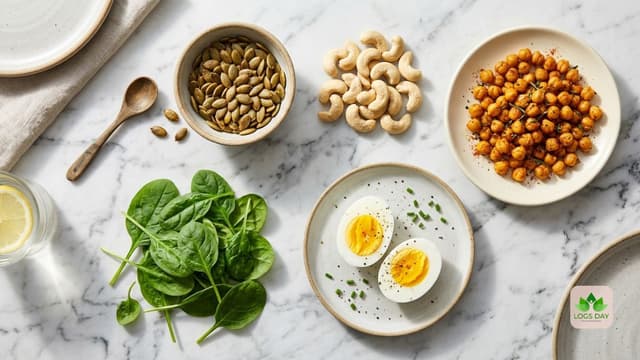
Some of the best high protein foods include eggs, fish, Greek yogurt, chicken breast, cottage cheese, tofu, lentils, and tempeh. But overall diet quality still matters more than chasing protein numbers alone.
A healthy diet should also include fiber, healthy fats, hydration, vitamins, minerals, and minimally processed foods. Nutrition works best when meals support long-term consistency rather than extreme restriction or unrealistic food rules.
Whey, Plant, and Collagen Protein Supplements
Protein supplements can help people reach daily intake goals, especially during busy schedules or higher training demands. However, supplements work best when they support an already balanced diet.
Whey protein remains one of the most researched options because it digests quickly and contains all essential amino acids. It works well for muscle recovery and post-workout nutrition.
Plant-protein powders have improved significantly and now offer stronger amino acid profiles through blended formulas. They are useful for people avoiding dairy or following plant-based diets.
Collagen protein supports skin, joints, and connective tissues, but it should not replace complete protein sources because it lacks several essential amino acids needed for muscle growth and recovery.
In simple terms, protein powder can help, but no supplement replaces balanced meals, quality sleep, and consistent training.
Final Thoughts
The best protein intake guide focuses on consistency, realistic habits, and long-term health instead of extremes.
Most people do not need ultra-high protein diets or endless supplements. They simply need enough quality protein spread across balanced meals throughout the day.
Your ideal intake depends on your activity level, age, recovery needs, body composition goals, and lifestyle. Improving protein intake through smarter meal planning and whole-food choices can support better recovery, muscle maintenance, appetite control, and healthy aging without making nutrition unnecessarily complicated.
And thankfully, you still do not need a protein shake after casually walking past a gym.