
1027
Discover essential plant-based diet tips to eat healthier. Learn about healthy plant-based snacks, plant-based protein sources, and meal planning ideas for beginners and experts.
Key Takeaways:
- Easy Plant-Based Tips
- Smart Meal & Snack Strategies
- Expert-Backed Nutrition Advice
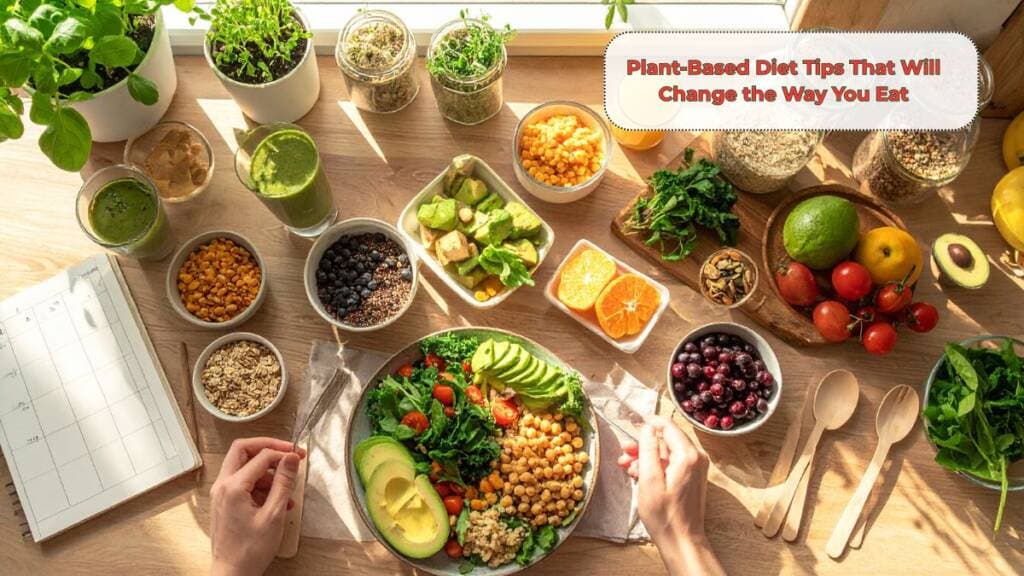
Eating healthier doesn’t have to be hard. If you want to feel more energetic, improve your health, and make your meals more exciting, following a plant-based lifestyle is a great choice. In this post, we will share plant-based diet tips that will change the way you eat. Whether you are a beginner or already exploring plant-based meals, these tips will make your journey simple and enjoyable. Adopting a plant-based diet can help you lose weight naturally, improve heart health, and reduce inflammation. Many people report higher energy levels and better digestion after switching. It’s also a sustainable choice, helping the planet while nourishing your body. With a few simple changes, your meals can become more colorful, flavorful, and nutrient-dense.
Why a Plant-Based Diet Works
Switching to a plant-based diet improves overall health and wellness. Research shows that plant-focused eating can lower the risk of heart disease, diabetes, and certain cancers. It also supports better gut health due to higher fiber intake. Many people feel more energetic and maintain a healthier weight when they follow plant-based habits. Following simple plant-based diet tips, like eating a variety of vegetables, fruits, legumes, and whole grains, ensures you get essential vitamins and minerals. Incorporating plant-based meals can also reduce environmental impact. Even small changes, like replacing one meal per day, can make a difference. Overall, a plant-based diet is both healthy and sustainable for long-term lifestyle changes.
1. Start With Easy Meals
Switching to a plant-based diet can feel confusing at first. Start small by including one plant-based meal a day. Focus on plant-based meal prep ideas like quinoa salads, veggie stir-fries, and smoothies. Preparing your meals ahead makes it easier to stick with your plan. You can also try theme nights, like Meatless Mondays, to make it fun. Explore international cuisines that naturally focus on plants, like Mediterranean or Indian dishes. Meal prepping saves time during busy weekdays and ensures you always have healthy options. Starting small creates confidence and builds consistency, making your transition smooth.
Also read: The Complete Fitness and Nutrition Plans for Busy Professionals
2. Include Plant-Based Protein Sources
Many people worry about getting enough protein on a plant-based diet. This is where plant-based diet tips actually work. Good plant-based protein sources include lentils, chickpeas, tofu, tempeh, nuts, and seeds. Add these to your meals to stay full and maintain your energy levels. Protein shakes made from pea, rice, or soy protein are also convenient. Combining legumes with grains like rice or quinoa ensures all essential amino acids. Remember, protein needs vary by activity level, so adjust portions accordingly. Including protein in every meal helps curb cravings and supports muscle maintenance. Planning diverse protein sources prevents monotony and encourages balanced nutrition.
3. Snack Smart with Healthy Plant-Based Snacks
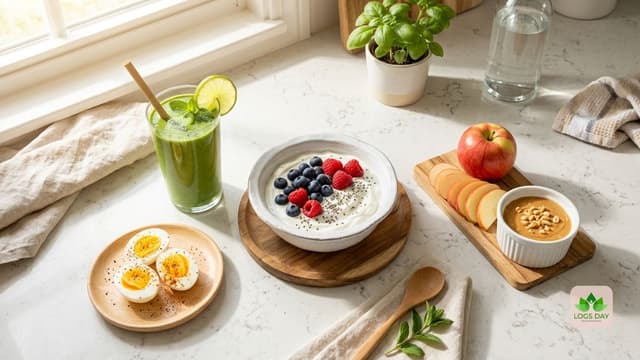
Snacking doesn’t have to ruin your diet. Keep healthy plant-based snacks like fruit, nuts, trail mix, or veggie sticks handy. This way, you won’t be tempted by less healthy options. Roasted chickpeas or edamame are crunchy, protein-rich alternatives. Smoothie bowls or energy balls can satisfy sweet cravings while staying healthy. Snacking strategically between meals helps stabilize blood sugar. Portioning snacks in advance prevents overeating. Having a variety of snacks makes your plant-based diet enjoyable and sustainable.
4. Learn Some Vegan Diet Tips
Even if you’re not strictly vegan, following vegan diet tips helps you enjoy more plants in your meals. Use herbs, spices, and plant-based sauces to make your food flavorful. Experiment with new grains, legumes, and vegetables to avoid boredom. Incorporate colorful vegetables to maximize nutrients and visual appeal. Learn simple swaps like plant-based milk, vegan cheese, or yogurt alternatives. Cooking techniques like roasting, steaming, or sautéing enhance flavor without added oils. Joining vegan communities or online forums can provide ideas and support. Adopting these tips gradually makes the lifestyle easier to maintain.
5. Plan Your Meals With Plant-Based Meal Planning
One of the secrets to sticking to a plant-based diet is plant-based meal planning. Write down meals for the week, make a shopping list, and prep ingredients ahead. This prevents last-minute unhealthy choices and keeps your diet balanced. Use apps or notebooks to track meals and ingredients. Include seasonal vegetables and fruits to save money and boost nutrition. Rotate recipes to keep your meals exciting and prevent repetition. Planning ahead reduces stress and encourages healthier choices. Meal planning also helps you create variety while staying within your dietary goals.
Also read: Integrating Holistic Wellness Practices at Work for Better Health
6. Eating Out on a Plant-Based Diet
Eating out can be tricky, but it’s possible to follow your diet with a few smart choices. Look for vegetarian or vegan options, ask for substitutions, and choose dishes rich in vegetables and legumes. Understanding eating out on a plant-based diet ensures you stay on track even when away from home. Many restaurants now offer plant-based menus or customizable dishes. Request whole grains instead of refined carbs. Opt for grilled, roasted, or steamed options instead of fried foods. Checking online menus before going out helps plan your meal. Social gatherings can be easier to explore when you know your options ahead.
7. Plant-Based Diet for Beginners
If you’re just starting, focus on simple steps:
- Swap one meat meal a day with a plant-based alternative.
- Try different recipes each week.
- Keep nutritional tips for plant-based eating in mind to avoid deficiencies.
- Learn how to balance proteins, carbs, and fats for energy.
- Include a variety of vegetables and fruits in each meal. Explore whole grains like brown rice, oats, and barley. Begin keeping a food journal to monitor progress. Celebrate small milestones to stay motivated and build confidence in your new lifestyle.
8. Balance Vitamins and Minerals
A common concern is nutrient balance. Make sure you include foods rich in vitamins and minerals. Include leafy greens for iron, seeds and nuts for magnesium, and fortified plant milks for calcium. These balancing vitamins and minerals tips help you stay healthy. Vitamin B12 supplementation is often recommended for those on a strict plant-based diet. Omega-3 fatty acids can be sourced from flaxseeds and chia seeds. Pay attention to zinc and iodine, found in beans and sea vegetables. Variety ensures all essential micronutrients are covered for long-term wellness.
Transition Slowly with Plant-Based Diet Tips
Don’t rush. Transition gradually with plant-based diet tips. Replace one meal at a time, explore new flavors, and learn to love plant-based cooking. Gradual changes make it easier to stick with your diet. Experiment with plant-based alternatives to favorite comfort foods. Join cooking classes or watch online tutorials to learn new recipes. Take note of how your body feels after meals to adjust portions or ingredients. Slowly expanding your plant-based meals encourages sustainability. Surrounding yourself with support, such as friends or online groups, also improves success rates.
Also read: 10 Must-Know Probiotic Benefits for Digestion and Everyday Wellness
Experts’ Opinion
According to Dr. Michael Greger, author and founder of NutritionFacts.org, “A whole-food, plant-based diet is supported by strong scientific evidence for preventing and reversing chronic diseases. Incorporating a variety of vegetables, fruits, legumes, and whole grains is essential for optimal health.”
Dr. Neal Barnard, president of the Physicians Committee for Responsible Medicine, adds, “Plant-based eating provides all the necessary nutrients and helps reduce the risk of heart disease, diabetes, and obesity.”
Following these expert tips ensures your diet remains nutritious, balanced, and safe.
Make It Fun and Interactive
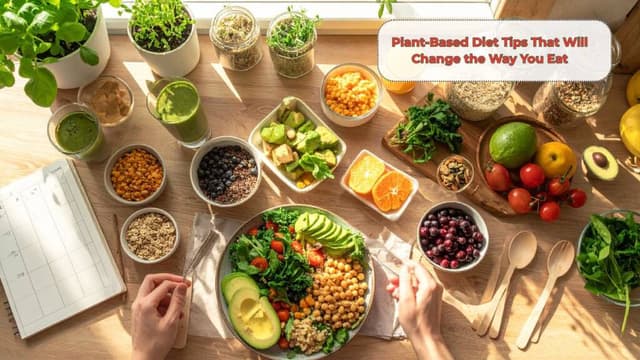
Eating plant-based doesn’t have to be boring. Try new recipes, involve your family, and make it a fun adventure. Share your meals on social media, join plant-based communities, or experiment with new ingredients. Keeping it interactive helps you stay motivated. Create colorful plates to make meals visually appealing. Try cooking challenges with friends or family to explore new ingredients. Host plant-based potlucks to exchange recipes. Turning your diet into a creative project keeps it exciting and sustainable.
Winding up
Transitioning to a plant-based lifestyle can improve your health, boost energy, and make meals more exciting. Following these plant-based diet tips ensures you get enough nutrients, enjoy variety, and stay motivated. Remember to plan meals, include diverse proteins, and gradually transition for long-term success. With these strategies, eating plant-based becomes simple, fun, and rewarding. Start small, explore flavors, and celebrate your progress along the way.
Ready to explore more tips and recipes? Visit Logsday for in-depth guides and practical advice on plant-based living!
Also read: Immune System Boosters You Didn’t Know You Needed—Until Now