

700
Burnout rarely appears overnight. It builds slowly while people continue managing work, responsibilities, relationships, and everyday pressure. At first, it feels like simple exhaustion. Then motivation fades, emotional energy drops, and even small tasks begin to feel overwhelming.
Many people ignore the warning signs because modern culture often treats exhaustion like success. But burnout is far more serious than normal stress. The World Health Organization recognizes burnout as an occupational phenomenon linked to chronic unmanaged workplace stress.
The good news is that recovery is possible. With the right burnout recovery plan, people can rebuild their energy, improve emotional balance, and regain motivation without relying on unrealistic productivity advice or temporary fixes.
Burnout vs Tiredness: Understanding the Real Difference
Everyone experiences tiredness after a stressful week, poor sleep, or emotional pressure. In most situations, proper rest improves the problem. A good night’s sleep or a relaxing weekend usually restores energy levels and mental clarity.
Burnout works differently. A burned-out person often feels exhausted even after resting. Mental fatigue continues in the background, emotional energy stays low, and motivation becomes difficult to recover. Many people also struggle with concentration, patience, sleep quality, and emotional stability.
According to experts at Mayo Clinic, burnout can affect both mental and physical health. It influences productivity, mood, relationships, and overall well-being. In simple terms, tiredness means you need rest, while burnout feels like your body and mind no longer know how to recover properly.
The 3 Main Dimensions of Burnout
Psychologists commonly describe burnout through three major dimensions. These patterns help explain why burnout affects emotional, mental, and physical health over time.
Exhaustion
Exhaustion goes beyond normal fatigue. Mental exhaustion makes simple decisions harder, emotional exhaustion reduces patience and empathy, and physical exhaustion creates ongoing tiredness that does not fully improve with sleep.
Many people describe this stage as feeling emotionally empty. Even small responsibilities begin to feel heavier than usual, and daily routines require far more effort than before.
Cynicism and Emotional Detachment
Burnout often changes how people emotionally connect with work, responsibilities, and relationships. Tasks that once felt meaningful may suddenly feel frustrating or pointless.
People may become more irritable, emotionally distant, or disconnected from coworkers and loved ones. Some even notice sarcasm replacing enthusiasm because emotional exhaustion slowly reduces their emotional capacity.
Reduced Sense of Effectiveness
Burnout also damages confidence and self-belief. Tasks that once felt manageable suddenly become stressful. Productivity drops, concentration weakens, and self-doubt grows stronger.
This creates a difficult cycle where stress lowers performance, and lower performance creates even more emotional pressure. Over time, many people begin questioning their abilities, career path, or future direction.
Burnout Self-Assessment: Signs You Should Not Ignore
Burnout symptoms usually develop gradually, which makes them easy to overlook in the beginning. Many people assume they are simply “too busy” until emotional exhaustion becomes impossible to ignore.
If you constantly feel drained, emotionally detached, mentally overwhelmed, or unable to recover after resting, burnout may already be affecting your nervous system. Changes in sleep quality, patience, concentration, and motivation also appear frequently during burnout recovery stages.
Another major warning sign involves emotional withdrawal. People experiencing burnout often isolate themselves socially because they no longer have the emotional energy to engage normally with others.
A 30-Day Burnout Recovery Plan That Actually Feels Realistic
A structured recovery process helps the mind and body stabilize more effectively. This burnout treatment plan focuses on reducing stress first and then rebuilding energy, emotional balance, and long-term resilience step by step.
Week 1: Rest Before You Try to “Fix” Yourself
The first week focuses on slowing everything down. Many people try to push through burnout, but recovery cannot begin while stress levels continue rising every day.
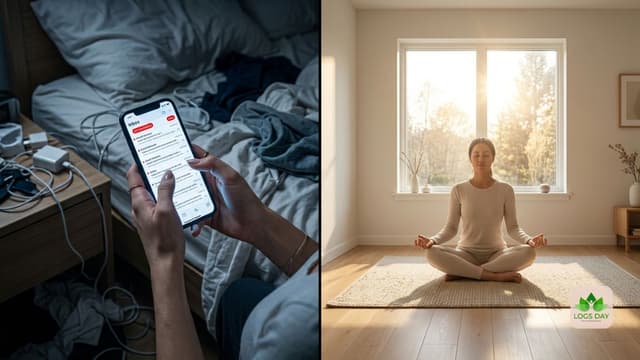
Sleep becomes extremely important during this stage. A consistent sleep routine, reduced screen time before bed, and limiting caffeine late in the day can help calm the nervous system. This section can naturally connect with your sleep-related content on LogsDay.
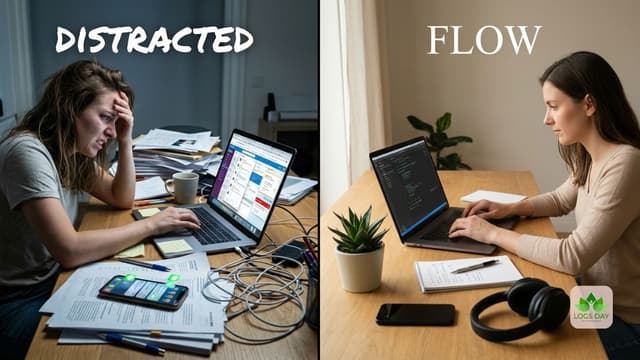
Reducing mental overstimulation also matters. Endless notifications, overloaded schedules, and constant multitasking keep the brain trapped in stress mode. Gentle activities like walking, stretching, quiet time, and spending time outdoors can support recovery without adding more pressure.
Many people feel guilty while resting during burnout recovery. That reaction is common, especially for people who are used to measuring self-worth through productivity.
Week 2: Rebuild Healthy Boundaries
Burnout often develops when healthy boundaries disappear for too long. People begin saying yes to every request, checking work messages constantly, and sacrificing recovery time to meet endless expectations.
This week focuses on identifying the biggest energy drains in your life. For some people, work overload causes the problem. Others struggle more with emotional responsibilities, caregiving stress, or unrealistic personal expectations.
Learning how to set healthy boundaries without guilt protects emotional energy and reduces long-term stress. That may include avoiding work messages late at night, taking proper breaks during the day, limiting overtime, or reducing unnecessary commitments. Your boundaries article would fit naturally as an internal link here.
Research from the American Psychological Association also shows that constant multitasking increases stress and lowers efficiency. Slowing down and focusing on one task at a time helps reduce mental exhaustion significantly.
Week 3: Restore Energy and Motivation Slowly
Once stress levels begin stabilizing, the body can slowly start rebuilding energy. Recovery during this phase works best when people focus on consistency instead of intensity.
Physical movement helps regulate mood and nervous system function. Walking, yoga, light strength training, or cycling can improve sleep, emotional balance, and energy levels without overwhelming the body.
Nutrition also becomes important during burnout recovery. Chronic stress often disrupts eating patterns, hydration, and digestion. Balanced meals, stable eating routines, and proper hydration support both physical and mental recovery over time.
Social connection matters during this stage as well. Burnout often isolates people emotionally, so spending time with supportive individuals can improve emotional regulation and reduce feelings of overwhelm.
Many people recovering from burnout eventually realize they stopped enjoying life long before they noticed the exhaustion itself.
Week 4: Reconnect With Meaning and Joy
The final week focuses on emotional clarity and long-term sustainability. Burnout recovery is not only about reducing stress. It is also about rebuilding a healthier relationship with work, life, and personal well-being.
This stage encourages people to reflect on what truly matters to them. Some discover that their lifestyle no longer matches their values. Others realize they ignored their emotional needs for years while focusing only on responsibilities.
Activities that once brought joy may slowly begin feeling enjoyable again. Reading, hobbies, music, creativity, or time in nature can help reconnect people with emotional balance and personal identity outside work pressure.
Many people also start questioning their work environment during this phase. Some careers support healthy living, while others continuously demand more energy than a person can realistically sustain.
Burnout and the Nervous System
Burnout affects much more than emotions. It also impacts the nervous system and the body’s stress response system over time.
Chronic stress keeps the body in survival mode for extended periods. This can affect sleep quality, emotional regulation, concentration, memory, and physical health. According to Harvard Health Publishing, long-term stress may also influence immunity and cardiovascular health.
This explains why chronic burnout recovery often takes time. The nervous system needs consistent rest, stability, and emotional safety before it can fully relax again.
Career Burnout vs Life Burnout
Career burnout usually develops from excessive workload, toxic workplace culture, lack of control, or unrealistic professional expectations. Many people searching for job burnout help fall into this category.
Life burnout feels broader because it involves emotional overload outside work. Parenting stress, caregiving responsibilities, financial pressure, and personal struggles can create the same exhaustion patterns even without workplace stress.
Some people experience both career burnout and life burnout at the same time, which makes recovery slower and more emotionally challenging.
Burnout and Relationships
Burnout affects communication, patience, emotional availability, and social connection. People often withdraw because they simply do not have enough emotional energy left for conversations or responsibilities outside survival mode.
Irritability and emotional distance may also increase during burnout. Small disagreements feel bigger, patience becomes limited, and relationships can feel emotionally exhausting instead of supportive.
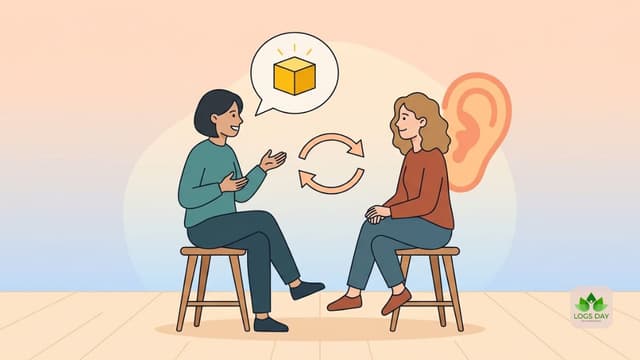
Open communication helps during recovery. Sometimes telling people honestly that you feel emotionally overwhelmed creates more understanding than pretending everything is fine.
When Should You Consider Medical Leave?
Some burnout cases improve with proper rest and lifestyle changes. Others require professional support and structured recovery.
If burnout symptoms continue for weeks or months, professional guidance becomes important. Severe sleep disruption, emotional numbness, anxiety, panic symptoms, or difficulty functioning normally may signal the need for medical evaluation.
Understanding the burnout and depression difference also matters. Burnout mainly develops from chronic stress and overwhelm, while depression affects mood and motivation more broadly across life. However, the two conditions can overlap, so professional assessment becomes important when symptoms become severe.
How Long Does Burnout Recovery Take?
There is no universal chronic burnout recovery timeline because recovery depends on multiple factors. Stress levels, sleep quality, emotional support, physical health, and work environment all influence healing speed.
Mild burnout may improve within several weeks, while severe burnout can take months to recover from fully. Recovery also happens gradually rather than perfectly. Some days feel productive and hopeful, while others feel frustratingly slow.
That does not mean recovery is failing. It often means the body is still showing signs your body is stuck in survival mode after prolonged stress exposure.
Habits That Help Prevent Burnout From Returning
Long-term prevention matters just as much as recovery itself. Without healthier habits, many people eventually return to the same stress patterns that caused burnout originally.
Healthy boundaries, proper sleep, regular recovery time, supportive relationships, physical movement, and realistic workloads all reduce burnout risk significantly. Internal links to your self-care, workplace health, productivity, anxiety, and career wellness articles would fit naturally throughout this section.
The goal is not becoming perfectly balanced every day. Real life rarely works that way. The goal is creating a lifestyle where rest and recovery become normal parts of health instead of emergency responses to exhaustion.
Final Thoughts
Burnout recovery takes patience, honesty, and meaningful lifestyle changes. Quick fixes rarely work because burnout develops over time, and the nervous system also needs time to recover properly.
This burnout recovery guide provides a realistic framework for rebuilding energy, emotional balance, and motivation step by step. Recovery may feel slow in the beginning, but small consistent changes often create the biggest long-term improvements.
Most importantly, needing recovery does not mean you failed. It simply means you carried too much stress for too long without enough rest, support, or emotional recovery along the way.