
1460
Why do you resist help even when you need it? Discover the hidden fears and beliefs stopping you from accepting support and how to change them.
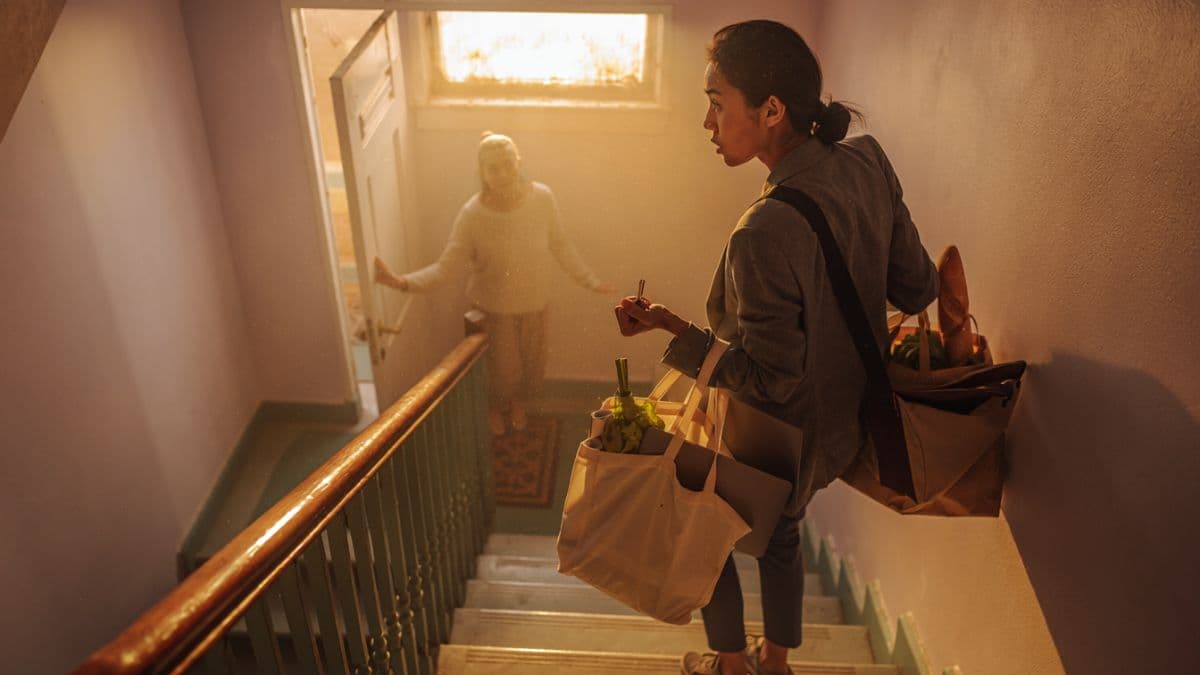
I once carried three grocery bags, my laptop, and my ego up four floors because I didn't want to ask for help. My neighbor said they would hold the door. I smiled and said, "I can do it." My arms were shaking. My back hurt. I still said no. I couldn't stop thinking about it later that night. Why did I make things harder for myself? That small moment made me question something deeper: why do you resist help even when you need it.
I figured out that it wasn't about food. It was about pride, fear, and the old belief that asking for help is a sign of weakness. Have you done something like this? Said "I'm fine" when you clearly weren't? Let's talk about it.
The Hidden Belief… “I Should Handle This Alone”
Many of us are praised for being independent from a young age. People tell us to be tough, self-sufficient, and capable. Over time, this becomes an unspoken rule… don't trust anyone. So, when help comes, we don't like it. We think that asking for help makes us less capable.
This thought is always in our heads and affects what we do. You might not even notice it happening. You automatically say no. You deal with stress on your own. You tell yourself that it's better to suffer in silence than to ask for help. But is that really strong? Or is it fear that is pretending to be confident? Sometimes the best thing you can do is say that you can't do everything by yourself.
Also read: Mind vs. Gut: Understanding the Inner Conflict
Fear of Being Judged
One big reason behind why you resist help even when you need it is fear of judgment. What will people say? Will they think you're weak? Will they say something about you? These questions keep running in the background. Your mind makes up stories even when no one says anything. You think they might think you can't do it. So, you protect your reputation by not accepting help. But the truth is that people are often too busy with their own problems to judge yours. They often value honesty more than being perfect. Getting help doesn't make you less valuable. It makes you a person. And being human is not something to hide.
The Need to Feel in Control
Control feels safe. When you manage everything yourself, you know what is happening. The moment you involve someone else, there is uncertainty. What if they do it differently? What if they make mistakes? So, you choose to do it alone. I have done this many times at work. As a team lead, I would sometimes take on more tasks than needed because I would want things done “my way.” Later, I used to feel exhausted and slightly resentful. Now, whenever I remember this, I just catch myself there and think, "Why do you resist help even when you need it. Often, it is not about capability. It is about control. Letting go feels risky, but it also creates space to breathe.
Past Experiences That Still Hurt
Sometimes people don't want help because they were let down in the past. It's possible that you asked for help before and no one paid attention. It's possible that someone took advantage of your weakness. Those experiences leave scars. Your brain remembers pain and tries to keep you from feeling it again. So, the next time you need help, don't say anything. That makes me feel safer. But not everyone will respond the same way as the people from your past. New situations should get new chances. Holding on to old pain can make you feel more alone than it protects you. Learning to trust again, slowly and wisely, is part of healing. You don't have to tell everyone everything. Just start somewhere safe.
Also read: Why Waiting to Start Is More Harmful Than You Realize
The “I Don’t Want to Be a Burden” Thought
Have you ever thought, "They already have a lot going on"? I shouldn't add to it? This belief seems nice, but it often hides insecurity. You think your needs are big. You think that other people will be stressed out because of you. So, you carry everything in silence. But relationships aren't one-sided. Most people who love you want to help. It makes them feel like they belong and have a reason to be there. You might also be turning down closeness if you don't accept help. When support goes both ways, it's not a burden. One day you give. You get another day. That balance makes sure that relationships stay strong and healthy over time.
Signs You Are Quietly Resisting Support
- You say, “I’m fine," even when overwhelmed.
- You feel irritated when someone offers help.
- You redo tasks others complete for you.
- You avoid sharing personal struggles.
- You feel proud of suffering silently.
If you can relate to these, take a break. These signals are small but strong. They show you patterns that you might not have seen before. The first step to making a change is to be aware.
Independence vs. Isolation
Independence is healthy. Isolation is not. There is a difference. Independence means you can stand on your own. Isolation means you refuse to let anyone stand beside you. Sometimes we confuse the two. We celebrate self-reliance so much that we forget community matters. Humans are wired for connection. Even the most successful people rely on teams, mentors, and support systems. You do not lose your independence by accepting help. You simply expand your strength. Imagine how much lighter life could feel if you allowed others to share the load. Strength grows when it is supported, not when it is hidden behind walls.
Also read: Why Dreams Get Delayed and How to Rediscover Your Path
Ego Is Often the Silent Obstacle
Ego doesn't always look loud. It sometimes plays silently. It says, "You should already know this." It says, "They will think you are new if you ask." That voice inside your head can keep you from reaching out. I didn't ask questions when I first started leading projects because I thought I should know everything. I didn't want anyone to think I was lying. But the stress kept building up inside. That’s when I understood something important about why you resist help even when you need it. It is often the ego trying to protect your image. But real confidence grows when you admit you are still learning.
Cultural and Social Conditioning
In a lot of cultures, asking for help is seen as a sign of weakness. People are praised for dealing with problems on their own. People often ignore emotional problems. "Be strong," they say. "Don't whine." These messages turn into rules for you over time. You start to think that you have to handle everything in secret. It gets worse with social media. Everyone looks like they are in charge, calm, and doing well. You look at their highlight reels and compare them to your messy life. So, you keep your problems to yourself even more. But keep in mind that what you see online isn't always the whole story. There is a network of people who support every confident person. Even though it may seem like it, no one really lives life alone.
The Emotional Cost of Doing It Alone
Carrying everything by yourself feels powerful at first. But slowly, it becomes heavy. Stress builds. Resentment grows. You feel unseen and unsupported, even though you never allowed support in the first place. This emotional weight can affect your sleep, your focus, and your relationships. It can make you feel disconnected. The irony is painful. You want understanding, but you block access to it. That is often the deeper layer behind why you resist help even when you need it. It is self-protection that turns into self-sabotage. And the cost is your peace of mind.
How to Start Accepting Help
Start small. You do not have to share your deepest fears on day one. Ask for help with simple things. Let someone review your work. Accept when a friend offers to listen. Notice how it feels. It might feel uncomfortable at first. That is normal. Growth often feels strange. Remind yourself that accepting help is a skill. The more you practice, the easier it becomes. Also, choose safe people. Trust builds slowly. You are not giving away your strength. You are building support. That shift in mindset changes everything. Support does not reduce your power. It multiplies it.
What Experts Say About Resisting Help
Many professionals say that fear and identity are often the reasons why people don't want help. Brené Brown, a researcher, says, "Vulnerability is not weakness; it's our greatest measure of courage." This shows how asking for help can be emotionally risky. Psychologist Guy Winch says that people don't ask for help because they are afraid of being rejected or looking stupid. In the same way, researcher Kristin Neff says that being kind to yourself makes it easier to ask for help without being too hard on yourself.
A Question for You
Take a quiet moment and ask yourself: where in your life are you pretending to be stronger than you feel? Is it at work? At home? In friendships? I have caught myself doing this even in small daily tasks, telling myself I should “handle it.” But now I stop and think about why you resist help even when you need it. Just thinking about that has changed me. You don't have to do everything by yourself. You can ask for help. You can ask. And you are still strong when you do.
Ready to break unhealthy patterns for good? Discover more simple, powerful reads on LogsDay.
Also read: The Psychology of Avoiding Difficult Conversations
Sources
- https://televerohealth.com/why-we-resist-the-help-we-actually-want/
- https://www.traitquiz.com/blog/why-some-people-avoid-asking-for-help
- https://news.stanford.edu/stories/2022/09/asking-help-hard-people-want-help-realize
- https://www.psychologytoday.com/us/blog/you-are-enough/202410/why-is-it-so-hard-to-accept-help