
509
Learn why traveling during peak season ruins the experience and how timing your trip differently can transform your vacation.
Key Takeaways
- Timing shapes travel experiences.
- Crowds reduce enjoyment levels.
- Off-season offers better value.
There is something exciting about planning a trip during the right time of year. Summer vacation or the Fall break or even during the Christmas season. It seems logical because everyone travels at that time and the amenities are convenient.
But what if that is exactly the problem? What if the vacation that promises sunshine, energy, and excitement is the same one that quietly drains the joy out of your trip?
Many do not realize why traveling during peak season ruins the experience until they’re standing in a two-hour line to enter a park, paying double the price for a standard hotel room, or struggling to find a quiet moment in a beach that looked peaceful online. The destination has not changed but the timing has. Timing affects everything right from prices and crowds, your mood and memories.
Before you book your next “popular” travel window, you need to give it a second thought. Allow me to take you through.
Also Read - Beginner Travel Checklist: What First Time Travelers Forget
The Attraction Gets Lost in the Crowds
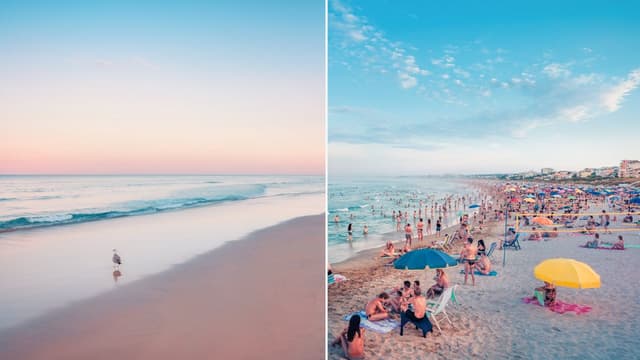
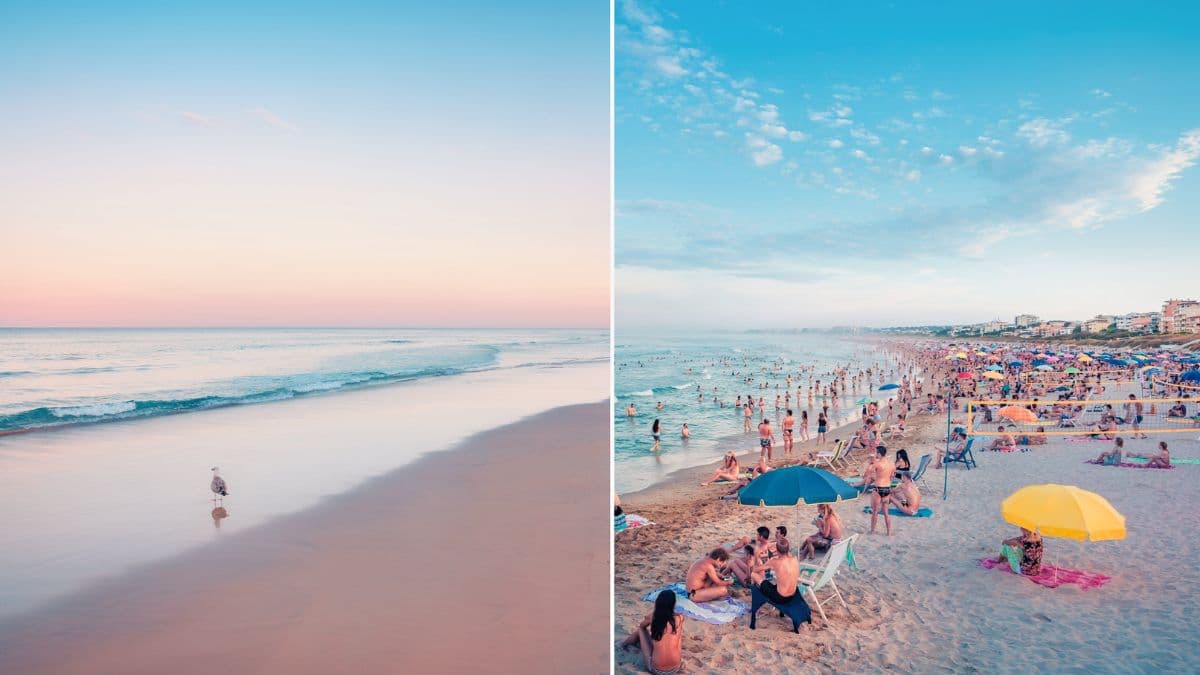
Imagine a peaceful beach. Done? Now add hundreds of umbrellas and beach chairs. Multiple children running. Loud music playing from portable speakers. Serpentine lines for restrooms and no vacant chairs. The picture itself was disturbing so think of how it would feel in reality?
The beach did not change at all. It is still picturesque but the number of people there did. That is often the reason behind why traveling during peak season ruins the experience. When you are there, you are not spending your vacation at the destination itself anymore. You are navigating your way out around other visitors.
In cities like New York, Orlando, or Las Vegas during summer, you do not stroll but you shuffle. In national parks during July, you do not hike in silence but you move in clusters. Even small towns around those areas lose their charm during the peak season.
Vacation is a complete emotion altogether and is about how a place makes you feel. Trust me, it is hard to feel happy when you are squeezed between strangers.
Paying Premium Prices
The tourist spots that you visit are there to earn profits. Peak season does not just bring along crowds but brings high prices too. Airfare rises during summer and major holidays. Hotels increase their tariffs because demand is high. Rental cars become harder to find unless pre-booked and attractions introduce timed entries and add-ons that are highly priced.
While all of this takes place, you do not even get to enjoy your vacation blissfully. You will have to wait longer at entry points, eat your meals at the earliest as there are people waiting for you to leave. Even though things are planned in advance, there is no flexibility involved. That mismatch between cost and comfort is why traveling during peak season ruins the experience. When you overpay, you have raised expectations and when those aren’t met, disappointment feels worse.
Also Read - Sailing Trips for Solo Travellers: Top Destinations for Your Sea Adventure
Stress Replaces Freedom
Vacations are meant to feel free but during peak season it often feels strategic. You need to plan things way ahead. You wake up early to beat the crowds, you monitor traffic through apps and make dining reservations in advance. There is nothing wrong with planning but there are times when it turns into survival mode and you have no other option.
Instead of flowing with your trip, you are constantly managing it. When your mind is busy managing logistics, it is harder to actually enjoy the vacation. That mental overload is a major piece of why traveling during peak season ruins the experience.
Nature Loses Its Quiet Power
Think about why people visit places like Yellowstone, Yosemite, or the Grand Canyon. It is s not just to see them but to feel small, peaceful, connected. But during peak summer months, parking lots fill up quite early, Shuttle lines grow long and the trails become crowded.
Nature works best in silence and when you give it space. When that disappears, there are subtle changes that often go unnoticed. The view is still there, the mountains are still breath-taking but the emotional impact feels low. The setting remains beautiful, but the atmosphere shifts.
Also Read - The Best Weekend Travel Spots for 2026 You Have not Heard Of
Small Irritations Build Big Frustrations
It is rare that travel falls apart because of one major problem. It usually goes haywire because of multiple small frustrations. You wait for forty minutes for a single cup of coffee, you circle a parking lot multiple times with no spots open for you, your hotel check-in is delayed because there are several other guests before you waiting for the same and your favorite restaurant has a two-hour wait time.
If you are alone or with your partner, these are manageable. Family trips feel the pressure even more. The kids get restless and adults get impatient. Everyone feels the nudge literally and emotionally.
The memory of a vacation is shaped by emotions rather than by attractions. If you always feel rushed and irritated, that becomes the dominant memory. That emotional residue gives out yet another layer of why traveling during peak season ruins the experience.
What Experts Say About Overcrowded Travel
It’s not just personal frustration. Research and travel authorities have repeatedly acknowledged that high visitor density affects satisfaction, stress levels, and overall experience.
The U.S. National Park Service explains that heavy visitation can reduce visitor enjoyment and strain resources, which is why they now actively manage visitor use at major parks like Yosemite and Zion. When systems are stretched, the quality of experience naturally declines.
AAA’s annual travel forecasts consistently show record-breaking numbers during peak holidays such as Memorial Day and July 4th, leading to increased congestion at airports and on highways. More travelers mean more delays, longer waits, and higher stress levels — all factors that contribute to why traveling during peak season ruins the experience for many Americans.
Research published in the Journal of Environmental Psychology has shown that crowding increases stress and reduces perceived enjoyment in leisure environments. When people feel they lack personal space, their emotional response to a setting shifts even if the location itself is beautiful. This helps explain why traveling during peak season ruins the experience at a psychological level, not just a practical one.
Timing Backs the Experience
Travel is expected to restore, inspire, and energize you but when destinations are operating at their maximum capacity, something does not feel right. The required space disappears, the quiet moments fades, stress rises and expectations clash with reality. That is the heart of why traveling during peak season ruins the experience. It is not about avoiding popular destinations but about understanding that the right timing shapes the ambience which in turn shapes emotions and memory.
Before you book your next vacation, pause and think about timing. A small shift in your travel dates could mean fewer crowds, lower costs, and a more meaningful experience. For more such travel-related content, follow Logsday.
Also Read - Traveling with a Baby: Tips for a Smooth Journey
Sources
- https://e360.yale.edu/features/greenlock-a-visitor-crush-is-overwhelming-americas-national-parks
- https://newsroom.aaa.com/2026/01/aaa-and-bread-financial-survey-76-of-travelers-planning-milestone-trips-in-2026/
- https://www.sciencedirect.com/science/article/abs/pii/S1447677025001226
- https://www.bbc.com/travel/article/20250808-why-the-best-time-to-visit-no-longer-applies
- https://www.travellocal.com/en/articles/why-the-low-season-is-the-new-high-season