
522
Discover why popular destinations don’t feel magical anymore and how overexposure, expectations, and modern travel habits impact emotional connection while traveling.
Key Takeaways
- Digital overexposure and familiarity
- Unrealistic travel expectations
- Crowds over connection
- Checklist-driven travel culture
- Loss of novelty and awe
- Presence over popularity
There was a time when visiting a famous destination felt deeply exciting. Seeing a landmark in person carried a sense of wonder, novelty, and emotional reward. Today, many travelers return from iconic places feeling strangely unmoved. Photos are taken, boxes are checked, yet something feels missing. This growing disconnect has led many to wonder why popular destinations don’t feel magical anymore, even when they are as beautiful as ever.
The fact is not that travel no longer gives us the same enjoyment it used to give us, but we now have a different experience altogether in travelling. The evolution of magic has been influenced by psychological changes, the digital overload, and the new trend of traveling that led to its creation- and de-creation.
The Role of Overexposure in Modern Travel
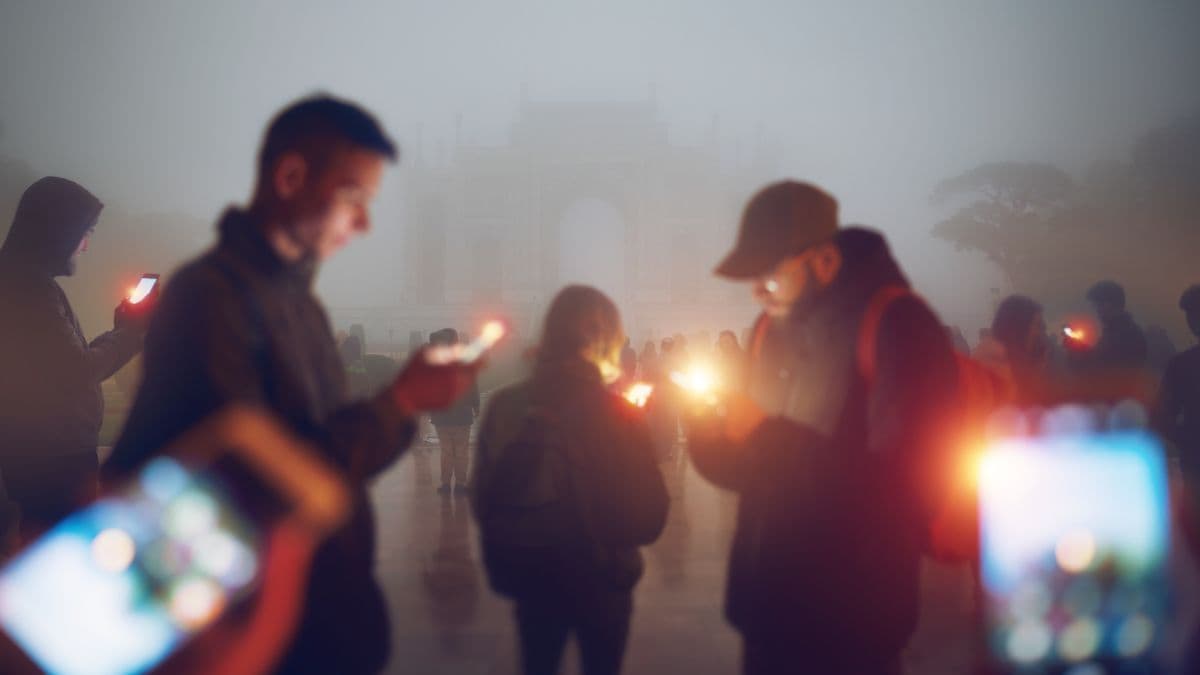
Overexposure is one of the most powerful reasons why popular destinations don’t feel magical anymore. Travelers have already viewed billions of images, videos, and recommendations online, long before they even set foot on a plane. The destinations are presented in their most glamorous aspect, usually repeatedly, on social media sites.
For travelers especially, whose travel inspiration is heavily driven by Instagram, TikTok, and YouTube, destinations can feel familiar before arrival. The brain perceives less surprise, and where there is no surprise, wonder cannot exist. Emotional impact is weakened when a place feels already known.
Unrealistic Expectations Set by Digital Media
The expectation gap is closely related to overexposure. Online content usually shows destinations in their perfect state: ideal lighting, no crowds, and edited experiences. Actual traveling is not as good as this ideal.
This mismatch of expectations contributes significantly to the reason why popular destinations don’t feel magical anymore. There are long queues, weather shifts, noise, and crowds that create tension between fantasy and reality. Rather than enjoying what one has, tourists subconsciously compare it to what they imagined, and therefore, they feel disappointed instead of joyful.
Also read: Flying to Italy? Here’s How to Avoid Jet Lag
Tourism Designed for Efficiency, Not Emotion
Tourism today has become very organized. Entries, guided paths, security entrances, and pre-planned itineraries are meant to manage crowds rather than be emotionally connected.
This strictness kills the element of exploration for most tourists who cherish freedom and customization. Discovery vanishes when all steps seem to be under control. This orderly process adds to the fact that popular destinations are no longer magical anymore, since magic is best experienced in a moment of choice, curiosity, and unplanned.
Crowds and the Loss of Presence
Crowds are not only inconvenient but also disruptive to emotions. It is hard to slack, reflect or read the environment when standing shoulder to shoulder with hundreds of strangers.
It is also one of the reasons as to why tourist hotspots are no longer considered magical by many tourists traveling to them. People get rushed, overstimulated, and psychologically detached instead of immersing themselves in what they are reading. It is not a matter of experiencing the place but merely surviving it.
The Checklist Mentality of Travel
Today, tourism seems more of a travel checklist and less of a journey. Top-ten guides, must-see lists, best weekend travel spots, and viral locations drive travelers into the productivity mindset. Memories become something to accomplish instead of an experience to enjoy.
Popular destinations do not feel magical anymore because of this mindset. Emotional experience is subordinate when the objective is to obtain evidence, such as photos, posts, and stories. Existence becomes lost in favor of documentation.
Comfort and Familiarity Reduce Novelty
Ironically, comfort can also dilute magic. Global hotel chains, familiar food options, ride-sharing apps, and constant connectivity make travel easier—but less distinct.
For travelers used to convenience and predictability, destinations can begin to feel interchangeable. When everything feels familiar, curiosity weakens. Cultural contrast once sparked wonder; now, comfort often replaces it.
Also read: Sailing Trips for Solo Travellers: Top Destinations for Your Sea Adventure
What Psychology Says About Travel Disappointment
To gain deeper insights into the reasons why renowned destinations no longer evoke the same feeling of wonder, psychology and tourism research can illuminate the impact of familiarity, overexposure, and less sense of novelty on emotions in the case of traveling.
A recent study in Frontiers in Psychology emphasizes the fact that travelers become accustomed to new experiences with time, i.e. it becomes less emotional when a destination is known. This habituation phenomenon can be used to define the fact that popular places are not so magical anymore, as a repetition of the same stimuli makes the brain less and less sensitive to familiar surroundings.
Research studies in tourism psychology indicate that the reward system of the brain is triggered by novelty and unfamiliar experiences, which increases involvement and memory. This novelty declines as travelers repeatedly visit the same familiar destinations, something that implies a less emotional payoff, a key factor in figuring out how to understand why popular destinations no longer turn magic into a great number of tourists.
Time Pressure and Rushed Experiences
Short vacations and packed itineraries leave little room for emotional depth.
Travelers are in constant motion between one attraction and the next, and there is no time to process or connect. This rush is among the reasons why even popular places cease to be magical. Magic needs time to watch, contemplate, and internalize. In its absence, experiences merge and become meaningless.
Redefining What Makes Travel Magical
Travel magic is actually not gone; it has just changed. The experiences people seek today are less about well-known places and more about intimate ones, early mornings, spontaneous discussions, local habits, and digital breaks.
Learning to realize why popular destinations don’t feel magical anymore can help travelers redefine their expectations. The magic does not exist in popularity, only in presence. It comes in, when comparison ceases and enquiry is renewed.
Also read: Smart Road Trip Travel Hacks: Making Your Journey Safe and Unforgettable
Finding Depth Beyond Famous Places
Several travelers find that the less popular areas, slower forms of travelling, and less planning can be more satisfying. When pressure is removed, emotional connection returns naturally.
When it invites awareness and not performance, experience and not validation, travel becomes magic again.
A New Relationship with Travel
Understanding why tourist destinations no longer feel magical can empower travelers to make other choices. They need not seek to be highlighted but can seek to be meaningful. They do not have to hurry; they can procrastinate. They do not have to record all that; they can be there.
Travel does not lose its magic, but it loses its destinations, but it gains a new destination by the manner of our arrival, mentally, emotionally, attentively.
Also read: Solo Travel Tips for Beginners to Make Their Trip Memorable
If you want more simple, easy travel and lifestyle guides like this, keep exploring Logsday, where real-life tips are written to make everyday decisions easier.