
488
Quick escapes aren’t always relaxing. This guide explains why short trips feel more exhausting than long vacations and why longer breaks restore you better.
Key Takeaways
- Short trips don’t allow real mental recovery
- Travel stress outweighs rest time
- Longer vacations support true relaxation
Have you ever returned from a short trip feeling weirdly drained, even though it was supposed to be a break from the daily monotony? You unpack your bags, get back to work, and suddenly feel like the trip drained out more than it gave back. Strangely, people coming back from longer vacations often seem more relaxed and refreshed. This contrast raises a simple but important question— why short trips feel more exhausting than long vacations?
The answer lies in how our minds and bodies respond to time, stress, and expectations. Understanding the logic can completely change how we plan and experience travel in the days to come.
Also Read - Why Travel Feels More Tiring Than Refreshing These Days
The Hidden Pressure Behind Short Trips
Believe it or not, short trips carry a quiet pressure. There is limited time in hand, and there is always this strong urge to “make it worth it.”
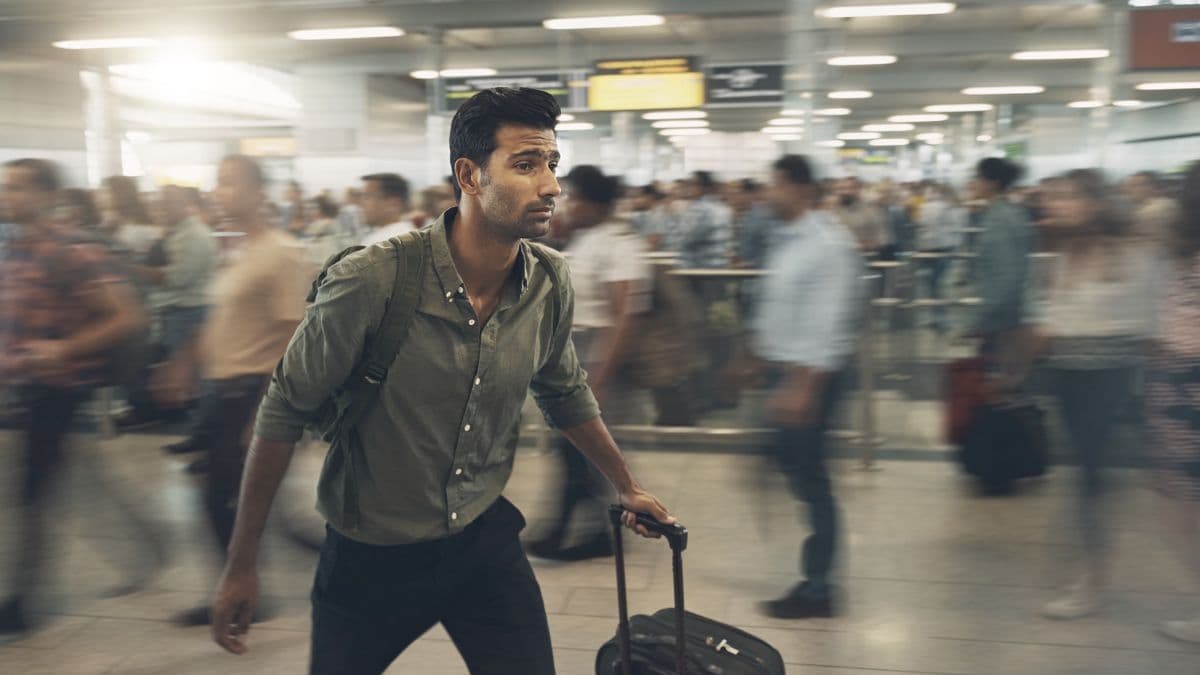
From the moment you step out, every hour starts to feel valuable, and rest tends to take a back seat to packed schedules. People wake up earlier than usual, try to fit in activities like sightseeing, shopping, and dining, and return home feeling like they have run a marathon instead of a vacation.
Long vacations feel different because they allow ample space. There is no rush, and the mind relaxes naturally. There is comfort in knowing that missing something today means it can be accommodated the next day. This difference in mental pace is one of the biggest reasons why short trips feel more exhausting than long vacations.
The Mind Never Leaves Work Mode
One of the biggest challenges with short trips is mental disconnection. Even when you are traveling, there are several who continue checking their emails, responding to work messages or simply thinking about what awaits them when they get back.
On longer vacations, the brain slowly disconnects with what they have left back home. After a few days away, work concerns fade into the background, and the mind is finally in a relaxed state. Short trips rarely last long enough for this mental shift to happen, which is why short trips feel more exhausting than long vacations despite fewer travel days.
Also Read - Your Trip Didn’t Go Wrong — Your Expectations Did
Travel Uses Energy
Travel demands energy, even when it is for a short distance. Packing, commuting between airports or even the highways, adjusting to new surroundings, and sleeping in unfamiliar places all strain the body. When the trip is short, there is no time for the body to adjust to the new change.
Long vacations balance this out. Once you arrive and settle in, there’s time to recover from the journey itself. It could be a nap or a relaxing spa treatment. Short trips do not give that recovery window. That is what adds to the feeling of exhaustion and reinforces why short trips feel more exhausting than long vacations.
When Vacations Turn into A Timetable
Short trips often feel like tightly managed schedules instead of a break from your daily life. Days are planned hour by hour, where you have to cover a lot more than expected. This leaves little room for rest. Even fun activities become tiring as they are rushed due to the lack of time.
Longer vacations naturally slow the rush. There is time for lazy mornings, unplanned afternoons, and genuine time for relaxation. This relaxed rhythm gives the body permission to rest, which short trips cannot provide.
The Body Cannot Relax
Stress is not a switch that turns off the moment you leave town. The body holds onto anxiety from daily routines, meeting work deadlines, and fulfilling responsibilities. Studies show it takes several days for stress levels to drop after you are away from the workplace.
On a short trip, just as relaxation begins, it is time to return. Long vacations, however, allow the body to settle into rest and reduce stress before it’s time to return. This delay plays a key role in why short trips feel more exhausting than long vacations.
Also Read - Why Budget Trips Often Feel More Stressful Than Expensive Ones
What Experts Have to Say
An analysis published in the Journal of Applied Psychology highlights the importance of mentally disconnecting from work during vacations. The study shows that people who fully detach from emails and work-related thoughts experience greater stress reduction and emotional recovery. Short trips often don’t allow enough time for this mental shift,
Dr. Jessica de Bloom, a well-known tourism researcher, explains that vacation benefits depend heavily on time. In her research published in the Journal of Occupational Health, she found that while vacations do improve well-being, the positive effects often appear only after several days and fade quickly once people return to work.
The Journal of Applied Psychology highlights the importance of mentally disconnecting from work during vacations. The study shows that people who fully detach from emails and work-related thoughts experience greater stress reduction and emotional recovery. Short trips often don’t allow enough time for this mental shift.
Short Trips Are Not Useless
Even though short trips come with a lot of criticism, they still hold value. They can give a break to your routine, offer a mental pause even for a short span, and create small moments of happiness. But expecting to provide an ample amount of rest can be disappointing.
Once you understand the difference, it becomes easier to adjust to what you need and travel with intention.
Rest Is About Time and Not Distance
At the end of the day, travel exhaustion is not about how far you go. It is about how much time you give your body to slow down and relax. The reason why short trips feel more exhausting than long vacations feel so relatable is that real rest needs time to unfold.
The next time you plan a getaway, ask yourself whether you want to escape for some time or truly recharge. That decision can make all the difference.
If short trips are your only option, try planning fewer activities and giving yourself more rest time. Small changes in how you travel can make even brief getaways feel more refreshing. For more such content, follow Logsday.
Also Read - Why Notifications Trigger Stress Even When Ignored