

919
Explore how mindfulness without meditation can help in many ways by reducing stress and improving overall well-being. Learn simple, practical ways to stay present and build calm and awareness in your daily routine.
Do you know that mindfulness without meditation is not only possible but also practical, simple, and easy to fit into your everyday life?
Now, let’s understand how you can practice this in everyday routine, step by step.
What is Mindfulness?
Mindfulness simply means being fully aware of what’s happening right now.
- It’s not about meditation.
- It’s not about chanting.
- It’s not about sitting in silence.
It’s simply about paying attention to the present moment on purpose. For example, what are you currently thinking of? Is your mind wandering about dinner, pending emails, or about the argument you had with your friend?
Just noticing the little details and that minor shift in thinking. That’s mindfulness.
Also read: How Breathing Techniques Help Reduce Stress Instantly
Mindfulness Doesn’t Require Meditation
It is true that meditation is beneficial in so many ways. But for most people who cannot dedicatedly practice meditation on everyday basis, just being fully aware in the present works wonders.
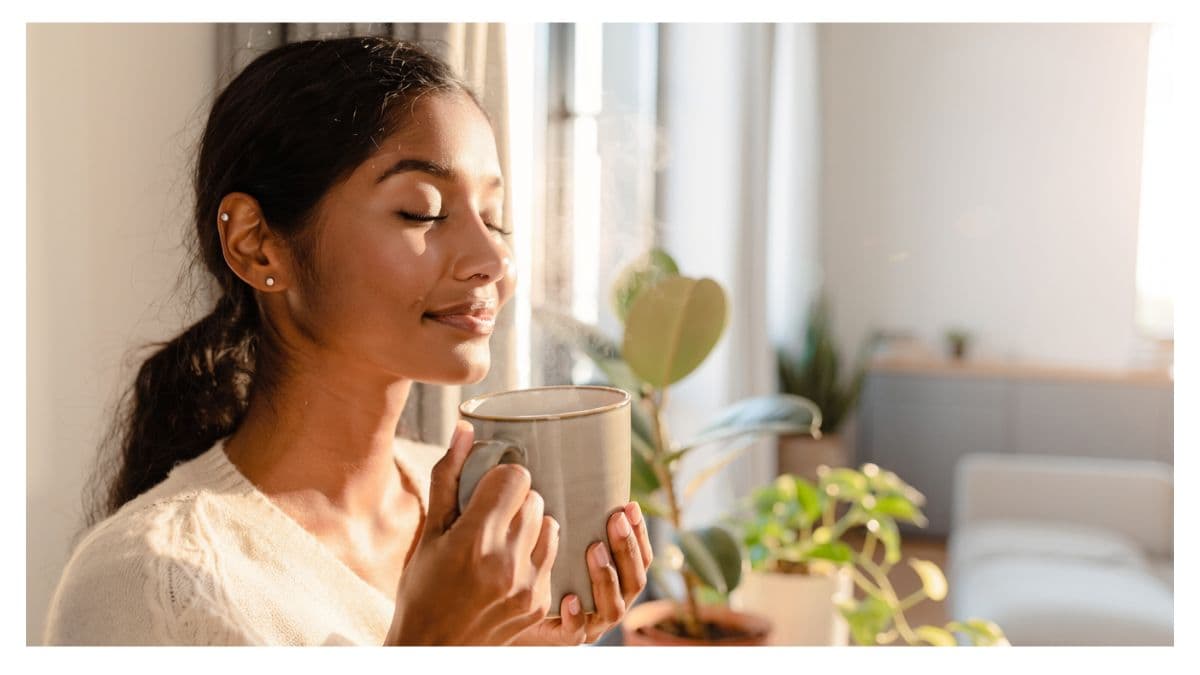
This is why mindfulness without meditation is such a practical approach. You can try it while you are working at the office, folding clothes, cooking, drinking coffee or even while waiting for your friend.
This is the beauty of mindfulness, it adapts to your life, instead of asking you to change your routine.
Also read: Positive Mindset Techniques You Haven’t Tried But Should Start Now
Simple Five Ways To Practice Mindfulness Without Meditation
1. Practice Mindful Breathing
Take slow breaths, feel the air in your lungs. Notice how it feels entering and leaving your body. That’s mindfulness.
2. Mindful Eating
Mindful eating is deeply rooted in mindfulness, focusing on texture, taste and aroma of the food. It somehow engages all the senses, which helps you to enjoy food and also aids in better digestion. This simple eating allows you to be more intentional about eating which reduces overeating, and strengthens mindfulness while eating.
3. Walk in the Nature
Spend 30 seconds to observe the plants around you, sky, clouds, sounds of birds, smell of fresh air, color of the leaves or anything that makes you feel alive – it can be a way to practice Mindfulness Without Meditation.
4. Practice Active Listening
The easiest ways to practice mindfulness is while talking to someone. This is called as active listening. This practice allows you to be present fully in the moment rather than just waiting for your turn to speak. Next time when you are talking to a colleague or friend, notice how it feels. That’s the power of mindfulness without meditation in action.
5. Take A Breath Before You React
When something frustrating happens, observe your thoughts instead of reacting. This allows your mind to respond intentionally. This practice can prevent misunderstandings, unnecessary conflict and makes you feel more in control.
6. Grounding Technique
This is an easy technique that uses all your five senses which helps you stay grounded in the present helping you to soothe racing or intrusive thoughts. Notice 5 things that you can see around you, 4 things that you can physically feel, 3 sounds that you hear, 2 aroma that you can smell and 1 thing you can taste. This helps interrupt negative thoughts and calms the nervous system.
7. Mindful Self-Care
Practice self-care with intention and full awareness. When you go through a regular hygiene routine, like before going in for a shower, use your favorite fragrance and let the steam to create a soothing experience. While you brush your teeth, notice how the toothpaste tastes, feel every bristle on your teeth. This helps you to experience mindfulness.
Also read: Emotional Self-Care for Women at Home & Work: Small Steps That Truly Matter
Why Mindfulness Without Meditation Works?
You may think that mindfulness is not possible without meditation, but in reality, small intentional moments can have profound effects on your emotional balance, and overall well-being – often in ways you might not expect.
- Improves mental clarity
When you are aware, it enhances focus and improves mental clarity by training your mind to be fully present in the moment.
- Better emotional response
Being mindful promotes healthier emotional responses by helping you recognize your feelings, rather than acting impulsively. This allows you to manage stress and respond to challenges with calmness and balance.
Also read: Simple Ways to Build Emotional Resilience
- Enhances focus and gratitude
Mindfulness strengthens focus and creates a sense of gratitude by being present in the moment. This allows you to be grateful for small daily experiences at the same time improving focus.
- Reduces stress and anxiety
Intentional self-awareness helps reduce stress and anxiety, which prevents your mind from worrying about the past or future. Being mindful about everything you do promotes overall well-being.
- Strengthens relationship
Conscious awareness strengthens relationships by encouraging you to be present fully, actively listening and responding with clarity. These foster deeper connections, reduces unnecessary misunderstandings and better communication.
Mindfulness without meditation works by focusing on present moment through everyday actions. This builds the similar mental benefits as traditional meditation by helping you focus and makes you more aware of what you’re doing.
Also read: Simple Ways to Build Emotional Resilience
Expert Insights
Dr. Susan Smalley, a professor of Psychiatry and Mindfulness Researcher, explains that Mindfulness doesn’t require formal meditation sessions. It’s more about intentional awareness in everything you do.
Eric R. Maisel, PhD states that the essence of mindfulness is being present fully in the moment, which doesn’t require traditional meditation practice, but can be developed with being completely aware in everything that you do.
Dr. Hortynska highlights that being mindful is being completely self-aware in the present. This can be practiced anytime while doing your regular activities. This means recognizing how you’re feeling and observing simply what’s around you – simply being conscious that are fully aware here and now.
Final Thoughts
Mindfulness doesn’t require a formal meditation practice – it simply lives in everyday moments. Just pay attention to every little thing you do and be fully present, this will reduce stress, increase focus, and help you connect more deeply with life.
For more wellness sparks, personal development guides, and trending stories, explore relatable dive into Logs day – your everyday companion for inspired living.
Sources:
- https://www.cityscapecounseling.com/post/8-ways-to-practice-mindfulness-without-meditating/
- https://www.ableto.com/self-care/how-to-be-mindful-without-meditating/
- https://medium.com/mind-cafe/7-ways-to-practice-mindfulness-in-your-daily-life-without-meditating-8589792c79f7
- https://sodasense.com/blogs/bubbly-blog/importance-mindfulness-mental-health-expert-insights#benefits-of-mindfulness-in-daily-life