
632
At a glance
- It's never too late to learn a new skill—your brain can keep adapting well into adulthood.
- Start with just 15–20 minutes a day to build a sustainable learning habit.
- Focus on one skill at a time instead of trying to master everything at once.
- Progress comes from consistency, not perfection or speed.
- Real-life practice helps new knowledge stick better than passive reading or watching videos.
- Celebrate small milestones to stay motivated and make lifelong learning enjoyable.
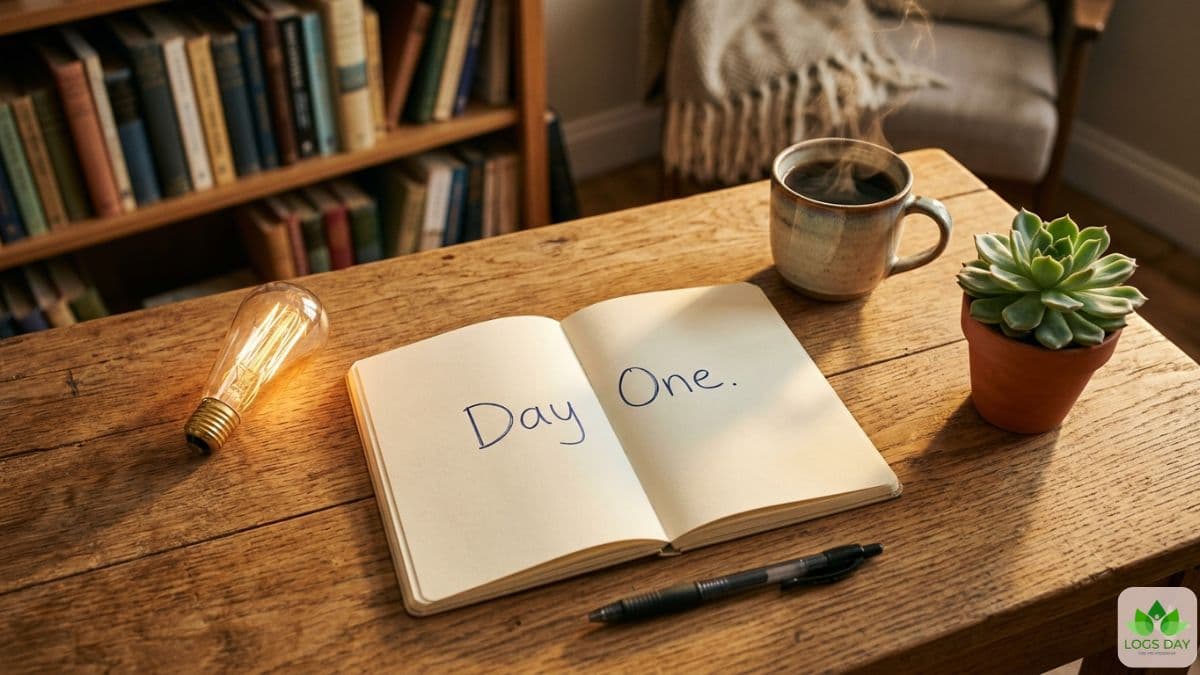
The moment I decided to start learning new skills as an adult, I felt both excited and scared. It’s been years since I’ve learned something totally new. Life was busy and I kept telling myself that I didn’t have time. But then one day, I did a little thing, and it changed everything. If you feel the same way, this guide is for you. It’s simple, practical and built for real life. Let us talk about how the adults can learn again without stress. You will see how Adult lifelong learning can fit into your daily routine. This journey is not about perfection. It’s about starting small, and being consistent. I remember sitting down with my notebook, not knowing where to begin, but that little step gave me a new purpose and energy.
Why Learning Feels Harder but Is Still Possible
As we grow older, learning can feel difficult. We have responsibilities, work pressure, and less free time. But the truth is, our brain still has the power to learn. This is called neuroplasticity in adults, which means the brain can adapt and grow at any age. When I first heard this, I felt relieved. I realized I was not “too late.” Many adults think learning is only for students, but that is not true. With the right mindset, anyone can learn something new. The key is to accept that progress may be slow, and that is okay. When you focus on steady effort, results will come. This is why learning new skills as adult should be seen as a long-term journey. You are not competing with anyone. You are simply growing at your own pace, step by step.
Also read: Emotional Intelligence: How to Develop Your EQ for Better Relationships & Career Success
The Real Benefits of Learning New Skills
There are a lot of benefits to learning new skills as an adult. It boosts your confidence and keeps your brain engaged. And you open new doors in your career and personal life. Here is where career development for adults becomes important. New skills can help you land better jobs, or even change career paths. At the same time learning provides happiness and satisfaction. It gives you a sense of accomplishment. I learned to be proud of myself even for small progress. It also helped me to stay positive in stressful times. Learning is not only about money or success. Also, it is about personal growth through learning. You get more aware, more creative and more open to new ideas. It makes life interesting and meaningful.
Management thinker Peter Drucker, who emphasized the importance of continuous learning in a changing world, said that the most important task is to teach people to learn. In a similar way, entrepreneur Richard Branson encourages action even in the face of uncertainty: “Say yes… then learn how to do it later,” emphasizing the power of courage in building skills. “The only ability … is the ability to learn new abilities,” Peter Drucker also said.
How to Start Without Feeling Overwhelmed
Starting is often the hardest part. Many people delay because they don’t know where to begin. The best way is to keep things simple. Choose one skill that truly interests you. It could be anything like writing, cooking, or coding. When I started learning new skills as an adult, I picked something small so I wouldn’t feel pressure. This made it easier to stay consistent. You don’t need long hours. Even 20–30 minutes a day is enough. The idea is to build a habit. Over time, these small efforts add up. This is how reskilling and upskilling works in real life. You slowly build new abilities without stress. Do not try to learn everything at once. Focus on one step at a time, and you will see progress.
Simple Methods That Actually Work
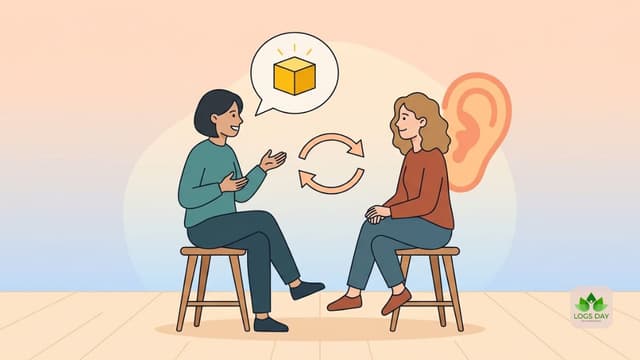
There are many ways to learn, but not all methods work for everyone. You need to find what suits you best. Some people prefer videos, while others like reading or practice. When I began learning new skills as an adult, I tried different methods until I found what worked for me. Repetition is very important. Practice the same thing again and again. This helps your brain remember better. Also, take breaks when needed. Rest is part of learning. Another useful tip is to teach someone else. When you explain something, you understand it more deeply. This is a powerful way to grow. These simple methods make adult lifelong learning easier and more enjoyable. You don’t need fancy tools. Just stay consistent and patient.
Also read: How to Apologize Sincerely: The 5-Step Framework That Actually Repairs Relationships
Staying Motivated When Life Gets Busy
The motivation isn’t always there. Some days you won’t want to learn anything. That is normal. The trick is to keep going even on those days. When I felt tired I reminded myself of the reason I started learning new skills as an adult in the first place. I also made small goals. It made the process less stressful. Celebrate small wins, such as finishing a lesson or understanding a concept. These moments keep you going on. Another useful trick is to keep track of your progress. It is encouraging to see how far you have come. This is how personal growth through learning appears in your life. Remember, consistency is more important than perfection. Progress is progress even when it is slow.
Making Learning a Daily Habit
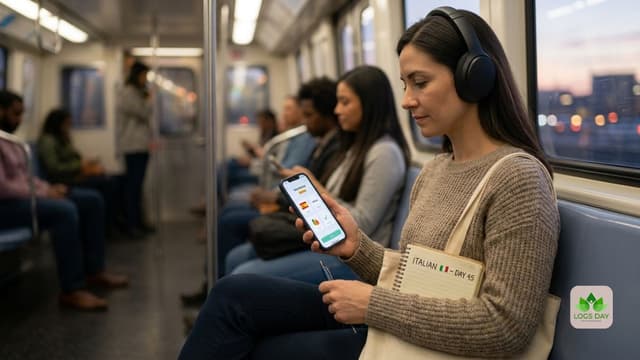
To be successful you need to include learning into your daily routine. It should not feel forced, but natural. Pick a consistent time during the day, even if it’s only a few minutes. I practiced learning new skills as adult every day and it got easier. I didn’t have to think long and hard. It’s just become part of my routine. Or you can connect learning to something you already do. Listen to educational content while you commute. It saves you time and keeps you interested. As time goes on this habit grows stronger. And that's how reskilling and upskilling becomes a natural part of your life. No major changes necessary. Small daily actions will yield lasting results.
Overcoming Fear and Self-Doubt
Fear is one of the biggest obstacles in learning. Many adults feel they are not smart enough or too old to start. I had the same thoughts. But I realized that fear is just a feeling, not reality. Everyone starts as a beginner. It is okay to make mistakes. In fact, mistakes help you learn better. When you accept this, learning becomes easier. Surround yourself with positive people or content. This helps you stay confident.
Remember, your journey is unique. You don’t need to compare yourself with others. This mindset always supports career development for adults and helps one move forward without fear. Believe in your ability to grow, no matter your age.
A Simple Start Can Change Everything
Learning is a life-long process. It doesn't end after school or college. Learning new skills as an adult is a choice for growth, confidence and new opportunities. This journey may be slow at times, but every step counts. Trust the process and be patient. You will see real changes in your life over time. Learning is always value added, whether for career, passion or self-improvement. Embrace neuroplasticity in adults and believe your brain can grow. Keep your goals simple and efforts steady. This is how genuine change occurs. Begin today, even if it is a tiny step.
For more powerful guides like this on Logsday and keep growing every day.
Also read: How Can You Calm and Reset Your Nervous System Every Day?
Sources
- https://longevity.stanford.edu/lifelong-learning/
- https://hbr.org/2025/08/soft-skills-matter-now-more-than-ever-according-to-new-research
- https://www.weforum.org/stories/2024/01/lifelong-learning-past-100/
- https://www.ijsr.net/getabstract.php?paperid=SR25304144952
- https://www.oecd.org/en/publications/getting-skills-right-future-ready-adult-learning-systems_9789264311756-en.html