12
TL;DR
- You don't need hours of free time to learn a new language.
- Small daily steps are much better than studying for a long time once a week.
- An easy daily language learning routine keeps you moving forward without the stress.
- Quick practice times and flashcards help you actually remember things.
- Just listen, read, and talk a little bit every day—that is the real secret.
- These simple habits make it easy to learn, even on your craziest days.
Learning a new language is super exciting at first. But let's be honest—most adults quit after just a few weeks because life simply gets in the way. Between work, family, and daily chores, there is barely any free time left. The good news? You don't need to spend two or three hours studying every day. Actually, experts say that practicing for just a few minutes daily works much better than studying for hours once a week.
Don’t wait around for the "perfect time" to study—it doesn’t exist. Just find tiny ways to fit a little practice into your normal day. Seriously, even 10 or 20 minutes makes a huge difference. It helps you remember new words, boosts your confidence, and keeps you moving forward. The trick isn't to push yourself harder. You just have to show up every day.
If you're just getting started, these language learning tips for beginners will help you build confidence without feeling overwhelmed.
Why do small daily habits help you learn a language?
Small daily habits work so well because they keep your brain active without burning you out. When you see or hear new words every day, your brain gets plenty of chances to naturally lock them in. Honestly, doing it this way is so much easier than sitting down and trying to force hundreds of words into your head all at once. If you want lasting results, building simple habits for learning a new language is often more helpful than depending only on motivation.
Think of learning a language just like working out. Going to the gym once for three hours straight doesn't really do much compared to exercising for twenty minutes a few times a week. Languages are exactly the same. Practicing a little bit every day is what actually builds up your memory.
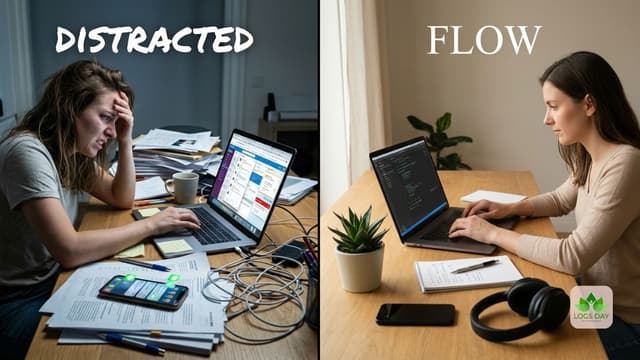
Short sessions don't feel like a chore. Because they're so quick, you can easily stick to your goals even when you're super busy.
Quick Comparison: Long Sessions vs. Short Daily Practice
| Long Study Sessions | Short Daily Practice |
| Can feel tiring | Easy to fit into your day |
| Easy to lose focus | Better concentration |
| Hard to stay consistent | Builds long-term habits |
| Information is forgotten faster | Regular revision improves memory |
Also read: How I Learned How To Read More Books By Changing Simple Habits
What should a daily language learning routine look like?
The trick to a good daily language learning routine is keeping it simple enough that you actually stick with it. Forget about expensive apps or messy, packed schedules. Just focus on a few basic habits that bring the language into your everyday life.
Here is an example.
| Time | Activity |
| 5 minutes | Review old flashcards |
| 5 minutes | Learn 5 new words |
| 5 minutes | Listen to a short audio or podcast |
| 5 minutes | Speak or write simple sentences |
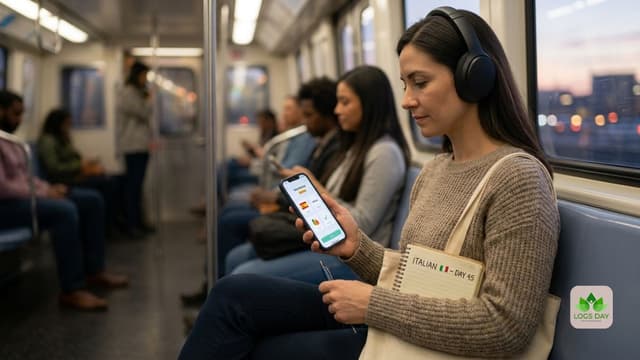
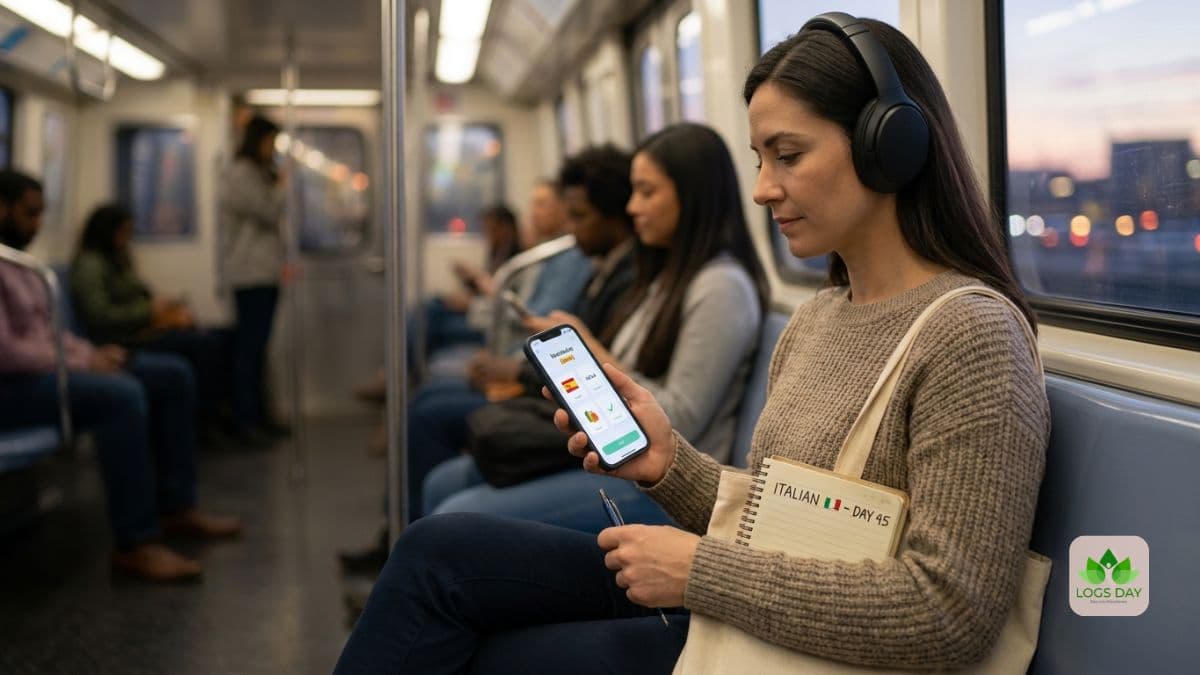
This whole thing only takes twenty minutes, but you still get to practice reading, listening, talking, and learning new words. Plus, you can easily split it up. For instance, flip through flashcards on your lunch break and play a podcast while you're on the move.
Don't worry about being perfect. Honestly, the only thing that matters is just doing a little bit every day.
Also read: Productive Evening Routines That Prepare You For Success
How can flashcards help you remember vocabulary?
If you want to remember words easily, use flashcards. They force you to actively remember the meaning, which builds a much stronger memory than just reading a list over and over.
Digital apps are super helpful here because they handle the timing for you using a method called spaced repetition. They show you the tricky words a lot and the easy ones less often, right when you need the reminder.
Just keep your collections small. Sticking to five or ten useful words a day works way better than piling up fifty words you'll never actually review. Dr. Paul Nation has spent years looking into how we learn vocabulary. He found that trying to force long lists into your head doesn't work. Instead, you need to meet words in different situations. Doing a little bit of reading, listening, speaking, and writing gives your brain the constant practice it needs to keep those words in your head.
That's exactly why people who actually succeed at languages focus on small, daily practice instead of trying to rush through hundreds of new words every single week.
How do you learn a new language faster without feeling stressed?
Don't waste your energy trying to learn weird, uncommon words when you're just starting out. The real secret is to pick up practical vocabulary first and practice it constantly. Focus entirely on the words you actually need for normal daily chats.
It helps to learn things you actually care about. Like, if you're into cooking, learn words for food, or focus on travel phrases if you go on trips a lot. When vocabulary matches up with your everyday life, your brain locks it in much faster.
If you're trying to figure out how to learn a new language faster, the best thing you can do is stop stressing over perfect grammar at the start. Focusing on building up your vocabulary and just trying to follow simple chats will give you much quicker results and keep you from quitting.
You can also try tying your learning to stuff you actually enjoy. Instead of staring at a textbook, try watching quick videos, listening to songs, or reading easy stories. It keeps things interesting so you don't feel like you're doing homework.
Honestly, these quick daily actions are the best way to build real habits for learning a new language. It’s the perfect approach for busy adults who barely have any free time to spare anyway.
Also read: 20 Intentional Journaling Prompts For Healing And Letting Go Of Mental Clutter
What are the best ways to practice a new language every day?
The best ways to practice a new language are often the simplest ones. Staring at grammar books every day gets boring fast. Try just mixing the language into your everyday routine instead. Swap your phone's language, check out a brief news story, or just watch a short five-minute video. Little switches like that make learning feel totally normal instead of forced.
Don't skip out on speaking just because you're scared of making mistakes—that's totally normal when you're learning. Try just chatting to yourself while brushing your teeth, calling out what you're doing, or repeating short phrases from a video. The more you talk, the more comfortable you're going to feel.
Try writing a bit, too. Keep a small notebook handy and write down three or four basic sentences every day, even if they aren't perfect. You're just trying to use the vocabulary you already know. These tiny daily routines are the easiest way to create lasting habits for learning a new language without making it feel like another annoying task on your to-do list.
Dr. John Dunlosky has spent a lot of time studying the best ways to learn. He found that just reviewing your notes again and again doesn't do much. Instead, you need to quiz yourself. If you're studying a language, practice by trying to recall words without looking at the translation, flipping flashcards, or answering basic questions from memory. It trains your brain to remember things much longer.
How can you improve language skills naturally?
A lot of people think they have to buy pricey courses to get better, but you can actually improve language skills naturally without spending a dime. It's all about making it a normal part of your day-to-day life. You could just put on some tunes while you're cooking dinner, or follow some accounts on social media to see it on your feed. Grab a simple kids' book if you need to start small. It just gets you used to the words naturally, without the headache of forced studying.
Honestly, you've got to give yourself credit for the little things. Even if you only figured out one new sentence today or remembered five words without peeking at your notes, that's still a win. Sticking with it is hard when things feel painfully slow, which is why those tiny daily wins matter so much. They're a solid reminder that you are actually improving, even if it doesn't feel like it right now.
Forget about what other people are doing—it’s not a competition, and worrying about it just ruins your focus. Honestly, just try to get a quick ten minutes in every day. That little bit of daily effort is all that really matters. Give it a few weeks or months, and you'll realize all those tiny moments added up to a massive difference.
You don't need to study for hours to get good; you just need to not quit. Keep your routine easy and try to enjoy it. The strongest habits for learning a new language are just the little things you can successfully do day after day. Those tiny, daily steps are what add up to massive progress over time.
Stay tuned to LogsDayfor personal development and daily lifestyle advice to help you build a more fulfilling life.
Sources
- https://www.polyglottistlanguageacademy.com/language-culture-travelling-blog/2025/1/13/how-to-learn-a-new-language-as-a-busy-working-adult-a-realistic-approach
- https://medium.com/language-lab/how-to-learn-a-language-when-you-dont-have-much-time-99cb9d26c91d
- https://ihworld.com/ih-journal/issues/issue-42/how-to-learn-a-language-every-day/
- https://migaku.com/blog/language-fun/language-learning-for-busy-adults
- https://marlowlanguagecentre.com/daily-habits-to-improve-language-learning/