

1229
TL;DR
- Ice baths are popular for reducing post-workout soreness and improving recovery, but they're not a cure-all.
- Research suggests cold water immersion may help with muscle recovery, inflammation, and mental alertness in some people.
- Benefits depend on factors like water temperature, immersion time, and your overall health.
- Ice baths are not suitable for everyone, especially people with certain heart or circulation conditions.
- Start gradually, follow proper safety guidelines, and consult a healthcare professional if you have underlying medical conditions.
- This guide explains the science, potential benefits, risks, and expert tips to help you decide whether the trend is right for you.
Thinking about starting with ice bath every morning? You're far from alone. Cold plunges have become one of the biggest wellness trends, showing up everywhere from social media feeds and fitness centers to luxury retreats and backyard tubs. Enthusiasts claim they boost energy, sharpen focus, improve recovery, and leave them feeling mentally stronger. The challenge and discomfort have become part of the appeal, making many people eager to give it a try. But before you make ice baths a part of your morning routine, it's worth understanding what actually happens inside your body and whether the benefits live up to the hype.
What Is the “Ice Bath Every Morning” Trend?
Cold plunges have become one of the biggest wellness trends, with many people claiming they boost energy, sharpen focus, improve mood, and speed up recovery. The concept is straightforward... immerse your body in cold water for a short period to trigger a range of physical and mental responses. But does it really require a tub filled with ice to experience these benefits? Not necessarily. Many people assume that colder always means better, yet research suggests that moderate cold exposure can also provide meaningful results. In fact, you don't have to endure freezing temperatures to support your body. Even cool water can stimulate circulation, increase alertness, and leave you feeling refreshed.
However, cold exposure is as much a mental challenge as it is a physical one, and everyone adapts at a different pace. While some people grow comfortable with it after just a few sessions, others need more time to adjust. The key is to start gradually, pay attention to how your body responds, and build the habit at a pace that feels safe and sustainable.
Also read: 10 Easy and Delicious Healthy Snack Recipes You Can Make in Minutes
Why People Are Obsessed with Morning Ice Baths
Let’s look at some real reasons people say they love this trend.
Instant Wake-Up Boost
Cold water shocks your system (in a good way), and your body becomes alert within seconds. It’s like hitting a natural refresh button for your brain. Many people find this more effective than coffee. It clears mental fog almost instantly.
Mental Strength
People say it makes them feel in control and strong. You feel like you can do anything when you do something hard first thing in the morning. It gives the rest of the day a confident feel. Small wins like this can motivate people in other areas of life too. Have you ever noticed that doing something hard first thing in the morning makes you feel more confident?
Recovery and Pain Relief
After working out, athletes use cold water to ease their pain. It helps muscles relax more quickly after hard workouts. People who aren't athletes can also feel better from everyday aches. Cold water feels good because it slows down swelling.
But again, are these benefits guaranteed? And are they worth the pain?
Let's work on it together. You can avoid making mistakes by seeing the whole picture. A lot of people get involved without knowing the basics. But having the right information makes it safer and more fun.
Morning Ice Bath Benefits: What Science Actually Says
Researchers have looked into cold exposure for a long time. And yes, a lot of the benefits are real. Instead of using big scientific words, here is a simple explanation of what happens to your body. These effects don't depend on very high or low temperatures. Even a little cold exposure can have big effects. When you are exposed to something a lot, your body changes quickly.
1. You Might Feel Happier and Calmer
Stepping into cold water isn't just a physical challenge. It may also give your mind a refreshing reset. Cold exposure stimulates the release of endorphins, often called the body's "feel-good" chemicals, which can temporarily boost mood and leave you feeling more energized. This is one of the reasons many people explore ice bath mental health benefits as part of their wellness routine.
While research is still evolving, many regular users report feeling mentally refreshed after an ice bath. They often describe improved emotional resilience, fewer racing thoughts, and a greater sense of calm that lasts beyond the cold plunge. Although results vary from person to person, beginning your day with a mindful habit like cold-water immersion may help you feel more focused and prepared for the day ahead.
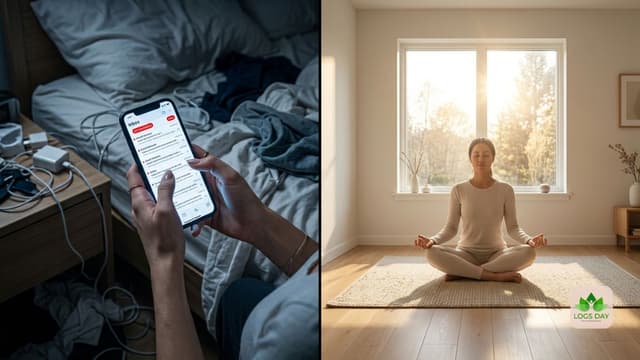
Instead of reaching for your phone the moment you wake up, consider spending a few minutes doing something that challenges both your body and mind. A calm, intentional start to the morning can help you approach the day with greater focus and emotional balance.
2. It Helps with Soreness and Muscle Repair
Many athletes swear by ice bath muscle recovery. Cold weather makes tired muscles less swollen. The cold plunge can actually help your body heal faster if you work out a lot. A few minutes can make a big difference. It helps blood flow better after you warm up. This is why a lot of sports trainers suggest cold therapy.
3. It Can Reduce Inflammation
The cold constricts your blood vessels. This helps with ice bath inflammation reduction, especially when your body feels puffy, swollen, or tired. Morning stiffness is often caused by inflammation. Making it smaller can make you feel lighter. A lot of people see this change after just a week of regular practice.
4. It May Support Your Metabolism
Scientists say that brown fat works better when it's cold. This kind of fat uses calories to keep warm. So yes, an ice bath metabolism boost is possible—though it won’t replace your diet or workout. Don't expect it to work miracles; think of it as a helper. It works slowly but surely over time. Your body also gets better at controlling its temperature.
5. It Builds Mental Discipline
Even if the science didn’t exist, the act of dunking yourself into icy water every day takes courage. Many people use it for ice bath discipline and focus. Just think about how nice it would be to start your day with something that clears your mind. This discipline can lead to better habits. It teaches your brain how to stay calm when you're in pain. Doing this every day builds strong self-confidence.
Does this make you want to do it or scare you?
Either way, keep reading because the benefits are only part of the story. A good routine has both excitement and caution. Knowing what risks are helps you make smart choices. And practicing smart always gives the best results.
Also read: Wake Up Energized: Try These High Protein Breakfast Recipes Today!
Cold Water Immersion Risks You Must Understand
To be clear, cold therapy isn't for everyone. If you have heart problems, high blood pressure, or breathing problems, please see a doctor first. Being around cold weather puts stress on your heart. Your body can be shocked by sudden drops in temperature. Being careful is always a good idea, especially if you have health problems.
Here are the real risks behind cold water immersion risks:
Sudden Shock to the Body
Your heart rate goes up right away. For some people, this can be harmful. You can't control this reaction; it happens automatically. It's your body's way of keeping you safe from the cold. This might not be safe if you faint easily.
Irregular Breathing
When it's cold, you gasp and breathe quickly. This might feel too much if you get scared easily. Some beginners feel tightness in their chests. Slow breathing can help, but only if you feel safe. If your breathing gets too fast, leave right away.
Numbness and Frostbite
If you stay too long, you could hurt your skin or nerves. Your body can't handle being very cold for a long time. If you feel numb, you should stop. Don't force yourself to go through pain just to "be strong."
Blood Pressure Spike
The cold makes your blood vessels tighter, which can make your blood pressure go up. This is dangerous for people with high blood pressure. Always do what your doctor says. It's better to go slowly than to put your health at risk.
Too Much Stress
It is good to be a little stressed out when it's cold. But some people may not be able to handle being outside in the cold every day, especially if they are already tired mentally. Your daily routine should help you, not wear you out. Take a break if the bath feels like a chore. Wellness should never hurt or feel like a chore.
Before we go on, ask yourself:
Do you like being cold, or do you stay away from it? Your body's natural response can help you figure out which routine works best for you. Some bodies get warm quickly, while others stay cold for a long time. Knowing this will help you practice safely.
Also read: Is Sourdough Bread Good for You? Let’s Find Out Together
How Long Should You Stay in an Ice Bath?
Experts say a safe ice bath duration is usually between 2 to 5 minutes. Yes, that's it. More time doesn't always mean more benefits. Staying too long raises the risks a lot. Don't worry about how long it takes, just focus on quality. You don't have to suffer for 20 minutes. You don't even have to stay until your body goes numb. "Short and controlled" is always better than "long and risky." Once your body gets used to it, you can slowly add more time. Even small changes are still progress. Every day, pay attention to how comfortable you are.
If you're just starting out, 30 seconds is a great place to start. Go at your own pace and make progress. You don't have to do what other people do. Your journey should feel natural, not forced.
A Simple Daily Cold Plunge Routine You Can Try
Here is an easy daily cold plunge routine that won’t shock your system too much:
1. Start With Cold Showers
Put cold water on your body for 10 to 20 seconds at the end of your bath. Every day, build up. This is a soft way to start your body. It also helps you keep your mind calm. It gets easier and less scary over time.
2. Move to a Bucket or Tub
At first, you don't need ice. Cold tap water is all you need. All your body needs is a drop in temperature to feel the effects. Changes, even small ones, can make a difference. Start with something easy and build from there.
3. Add Ice Slowly
Only when your body is ready. You don't have to hurry. The next morning, pay attention to how you feel. If you're feeling tired, lower the intensity.
4. Sit for 1–2 Minutes
Take slow, deep breaths. Taking deep breaths keeps your heart steady. They also help you relax. Breathing is the most important part of the process.
5. Increase Gradually
Every week, add 10 to 20 seconds. Your body naturally gets used to things when you do them in small steps. This is safer and better for the long term. You won't feel stressed out or overwhelmed.
6. Track Your Mood and Energy
Ask yourself every morning, "Do I feel better or worse after this?"
Your body will tell you everything you need to know. If you feel more tired, take a break and rest. Keep going with your routine if you feel good. Do what you think is best for your health.
Also read: Exciting Tiffin Ideas for Kids
Cold Therapy Safety Tips for Everyone
Since many of you asked how to stay safe, here are easy cold therapy safety tips:
Warm up before entering
Move your arms, shake your legs, wake up your muscles. This prevents shock and makes the cold easier to handle. A few seconds of movement can make a big difference. Your body feels more prepared.
Never enter when you’re exhausted or dizzy
Cold can overwhelm you quickly. Always check how you feel first. If your energy is low, skip the bath. Your safety always comes first.
Breathe slowly through your nose
This keeps your heart rate steady. Fast breathing can cause panic. Focus on long, controlled breaths. Your mind becomes calmer and more relaxed.
Don’t push through pain
Cold should be uncomfortable, not dangerous. Pain is your body’s warning sign. Respect it. Ending the bath early is always okay.
Stop immediately if you feel numbness
Your body is warning you. Numbness means the cold is too intense. Leave the water as soon as you notice it. Your nerves need protection.
Warm up after the bath
Use a towel, dry clothes, or light movement. Your body needs warmth to recover. Avoid hot showers immediately—they can shock your system. Gentle warmth is enough.
A simple approach is always better than a painful one. Consistency is more important than intensity. And safe routines always bring better long-term results.
Should You Really Take an Ice Bath Every Morning?
Let’s circle back to the main question:
Should you follow the ice bath every morning trend?
The honest answer: it depends on your goals and your body.
Here’s a quick comparison:
Great Reasons to Try It
- You want more discipline
- You enjoy challenging routines
- You want a natural mood boost
- You work out and need recovery
- You struggle with energy in the morning
This routine might help you grow if it fits with your life. When done right, cold therapy can give you power. A lot of people say it changes their lives.
Reasons to Avoid It
- You have heart or blood pressure issues
- You panic easily in cold water
- You hate cold (and it stresses you out)
- You prefer gentle habits like warm-ups or meditation
The best thing to do is to listen to your body. Some people do better with warm routines. There isn't a "perfect" way for everyone.
Not everyone can follow the same "perfect" routine. But if you pay attention to your body, you'll know what to do. Health is different for everyone. Trends don't matter as much as how you feel, how you look, and how healthy you are. Pick what makes you feel the safest and healthiest every time.
Also read: Fine Dining Etiquette: Mastering the Art
What Happens If You Stick with It Long-Term?
If you continue doing an ice bath every morning, here are some changes you may notice:
You become mentally stronger
Doing difficult things first thing in the morning builds confidence. You realize you can push through discomfort. This mindset helps in daily challenges. Over time, you feel more emotionally steady.
Your stress tolerance improves
Cold helps your nervous system learn how to stay calm when you're in pain. This is useful in real life when things get tough. You respond instead of act. When you're under pressure, your mind stays clear.
Your muscles feel less sore
Good news for people who exercise regularly. Cold helps your muscles recover faster. It reduces swelling and tiredness. This means you can return to your workouts feeling fresh.
Your mood becomes more stable
Cold helps keep hormones that are linked to stress and happiness in check. People who stick to a routine often feel better. Less anxiety in the morning. And you start the day with a calmer mind.
You might lose a bit of fat
Because being cold makes you burn more calories. This process is real, but it takes time. When you live a healthy life, it works best. Instead of being the main answer, think of it as extra help.
But keep in mind that your journey should make you feel strong, not weak. Your daily routine should help you grow, not make you afraid. Pick a rhythm that feels easy on your body and mind. That's the real secret to being healthy.
Expert Guidance: What They Really Say About Daily Morning Ice Baths
Cold-water physiologist Professor Mike Tipton (University of Portsmouth) warns that while ice baths are increasingly popular, they carry real risks; “If you ask me … I wouldn't go in water much below 12 °C (54 °F), and I wouldn’t stay in for much more than two minutes.” He emphasizes that the heart of any potential benefit comes from the body’s cold-shock response — not extremes: “The sudden fall of skin temperature … the release of stress hormones … the release of endorphins, and the anti-inflammatory effect.” According to Tipton, the trend of daily plunging “should be done in a way that maximizes the benefits and minimizes the risks” and always with a cautious, incremental approach.
Harvard Health also talks about research that gives a more nuanced picture: one study found that ice baths lowered stress, but only 12 hours after immersion. This means that the "feel-good" effect might not happen right away, and the idea that using it every day will quickly sharpen your focus might be exaggerated.
Final Thoughts
Trying an ice bath every morning can be life-changing for some people, but it must be done wisely. You can decide if this routine works for you if you know the pros and cons and how to do it safely. Don't rush your experiments. Take it easy at first and see how your body responds. You don't have to hurry or push anything.
Always pay attention to your body, take it easy, and stay safe. Wellness shouldn't hurt; it should help. You deserve routines that make you feel good. Pick what seems kind and fair for your life.
For more easy wellness guides, lifestyle insights, and practical daily tips, visit Logsday every day!
Also read: Easy and Delicious Weight Maintenance Diet Plan Ideas You’ll Love
Sources
https://www.healthline.com/health/exercise-fitness/ice-bath-benefits
https://www.medicalnewstoday.com/articles/ice-bath-benefits
https://health.clevelandclinic.org/what-to-know-about-cold-plunges