
456
You are not too emotional. You are not broken because you cry at commercials or lose your temper over small things. But you might be missing a skill that nobody ever taught you. Most of us were told to calm down, toughen up or stop overreacting. Nobody explained how.
Learning how to manage emotions better is not about feeling less. It is about responding to what you feel with more awareness and more choice. That is a skill. And like any skill, it gets stronger with practice.
How Do Emotions Actually Work in Your Brain and Body?
When you encounter something emotionally significant, your amygdala fires before your prefrontal cortex has time to think. This is the fast, automatic pathway: threat detected, body activated, emotion felt. Your heart rate changes, your muscles tense, stress hormones release. This happens in milliseconds, well before you have a conscious thought about what is happening.
Harvard trained neuroanatomist Jill Bolte Taylor discovered something crucial about this process. The entire chemical cascade of an emotion, from the moment it fires to the moment it clears your bloodstream, takes approximately 90 seconds. That is all. If you are still feeling the same emotion five minutes later, it is because your thoughts are reactivating the loop. You are telling yourself the story again, and your body responds to the story as if the event is still happening.
This is not weakness. It is neuroscience. And it is the foundation of emotional regulation: the 90 seconds are automatic and outside your control. Everything after that is a pattern you can change. The goal is not to eliminate the first 90 seconds. It is to stop feeding the loop that extends it into hours or days.
Also Read: Breathwork for Anxiety: Techniques That Calm Your Nervous System
Why Is the Difference Between Regulation and Suppression So Important?
This is where most advice goes wrong. When someone tells you to control your emotions, they usually mean suppress them. Push them down. Ignore them. Act like they are not there. Research by James Gross at Stanford, one of the most cited emotion scientists in the world, shows that this approach backfires badly.
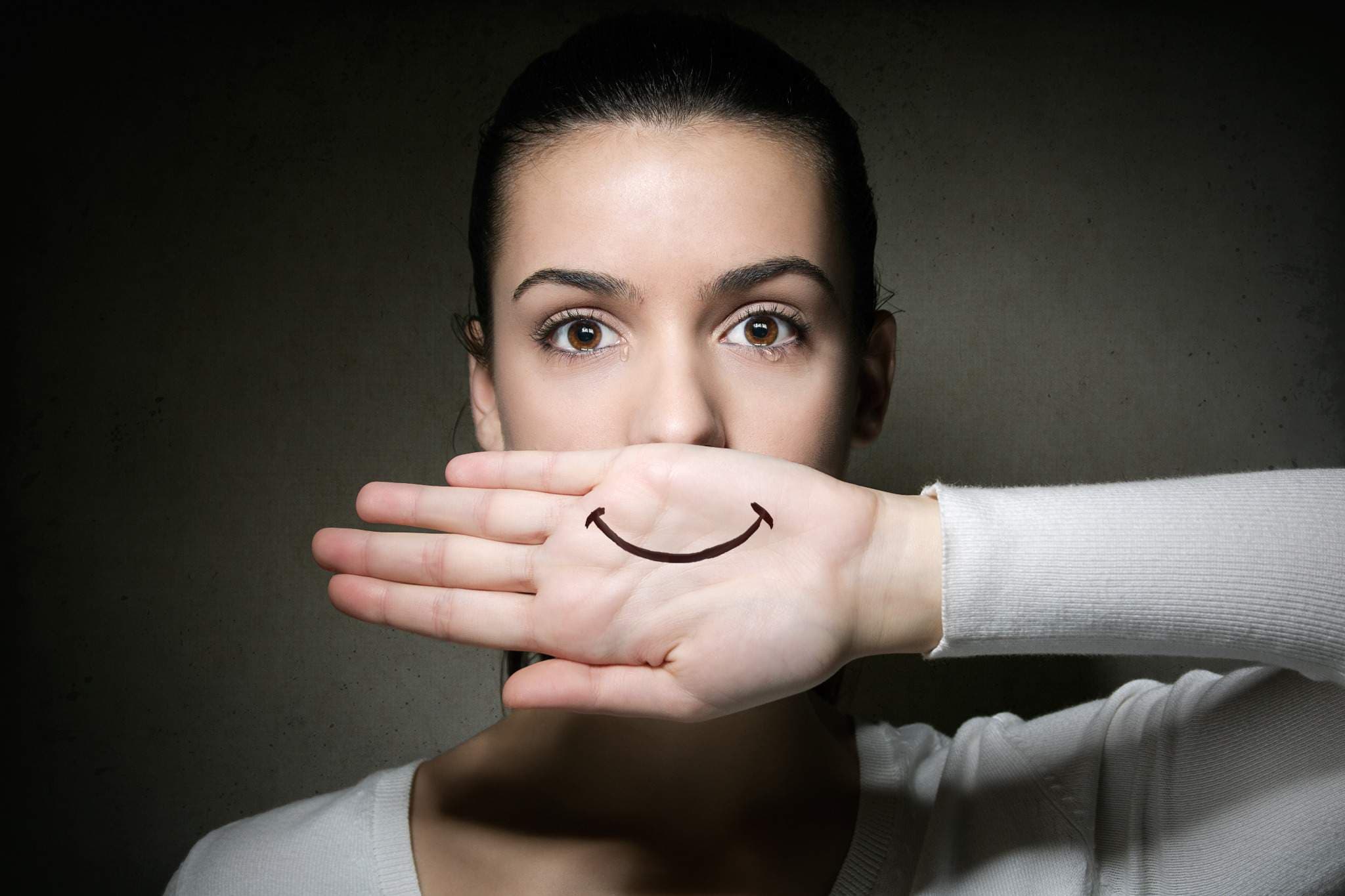
A landmark 2003 study by Gross and John in the Journal of Personality and Social Psychology found that habitual emotional suppression increased physiological stress responses, impaired working memory and damaged the quality of social relationships. People who suppress feel worse, not better, over time. Their bodies stay activated even when their faces look calm. And the people around them sense the disconnect, which erodes trust and intimacy.
Emotional regulation is fundamentally different. It does not mean stopping emotions. It means changing your relationship to them. Noticing what you feel without being hijacked by it. Choosing how to respond rather than reacting automatically. Sometimes that means sitting with discomfort.
Sometimes it means reframing a situation. Sometimes it means expressing what you feel in a way that is honest but not destructive. The difference is agency. Suppression removes choice. Regulation creates it.
Understanding the Emotion Wheel
One of the biggest barriers to emotional regulation is not having the words for what you feel. Most people operate with about five to seven emotion labels: happy, sad, angry, scared, stressed, fine, okay. But emotions are far more nuanced than that. Robert Plutchik’s emotion wheel identifies eight primary emotions (joy, trust, fear, surprise, sadness, disgust, anger, anticipation) and shows how they blend into dozens of secondary and tertiary feelings.
The practical value of this is significant. When you say "I am angry," your brain treats it as a broad, intense category. But when you identify that what you actually feel is frustrated, or dismissed, or overwhelmed, the amygdala calms down. A 2007 study by Lieberman et al. in Psychological Science showed that simply labeling an emotion precisely, a process called affect labeling, reduced amygdala activation. Naming the feeling gives your prefrontal cortex something to work with.
Try expanding your emotional vocabulary. The next time you feel "bad," ask yourself: is this disappointment, loneliness, embarrassment, grief, resentment, helplessness or something else entirely? That specificity is not overthinking. It is the beginning of regulation.
Also Read: Personal Branding Tips 2026: Building an Authentic Presence
What Are 5 Practical Emotional Regulation Strategies That Work?
1. Cognitive Reappraisal. This is the most studied emotional regulation strategy in psychology. It means changing how you interpret a situation, not what happened, but what it means. Your partner is quiet at dinner. Suppression says: do not feel anxious. Reappraisal says: maybe they are tired, not angry. A 2011 review by Sheppes et al. in Frontiers in Psychology confirmed that reappraisal reduces negative emotion without the physiological cost of suppression. Practice it by asking: what is another way to see this situation? What would I tell a friend who described this to me?
2. Distress Tolerance. Some emotions cannot be reframed in the moment. They are too intense, too raw. Distress tolerance is the ability to sit with discomfort without making it worse. This comes from Dialectical Behavior Therapy (DBT), developed by Marsha Linehan. Practical tools include the 90 second ride (knowing the chemical wave will pass), the 5-4-3-2-1 grounding technique (name 5 things you see, 4 you touch, 3 you hear, 2 you smell, 1 you taste), and temperature change (splashing cold water on your face to activate the dive reflex and calm the nervous system).
3. Mindful Awareness. Mindfulness applied to emotions means noticing what you feel without judging it or trying to fix it immediately. "I notice I am feeling anxious" is different from "I am an anxious person." The first is an observation. The second is an identity. This distinction matters because when you observe an emotion rather than become it, the prefrontal cortex stays online and you retain the ability to choose your response. Even 5 minutes of daily mindful check in (what am I feeling right now, where do I feel it in my body?) builds this skill over time.
Also Read: Colon Health Diet Guide: Habits for Better Gut Care
4. Values Based Action. Sometimes regulation is not about managing the emotion but about acting despite it. Acceptance and Commitment Therapy (ACT) teaches that you can feel anxious and still do the thing that matters. You can feel sad and still show up for someone you love. The question shifts from "how do I stop feeling this?" to "what kind of person do I want to be right now?" This is not suppression. It is choosing your behavior based on your values rather than your mood. Over time, this builds a deep sense of personal integrity that is itself emotionally stabilizing.
5. Co Regulation. Your nervous system is designed to be regulated by other nervous systems. When you are emotionally activated and someone calm sits with you, makes eye contact, speaks in a steady tone and listens without fixing, your body attunes to their calm. This is co regulation, and it is how humans have managed emotions for thousands of years. It is why talking to a trusted friend feels different from talking to yourself. If you do not have someone available in the moment, even placing a hand on your chest and speaking to yourself with the tone you would use with a scared child can activate a version of self co regulation.
The 90 Second Rule in Practice
When a strong emotion hits, set an internal timer. Ninety seconds. For those 90 seconds, do nothing except breathe and observe. Notice the sensation in your body. Notice the urge to react, to send the text, to say the thing, to slam the door. Let the wave peak and begin to recede.
After 90 seconds, the chemical surge has passed. What remains is the story your mind is telling about it. That is where your power begins. You can choose to engage the story or let it go. You can reframe, tolerate, observe, act on your values or seek co regulation. The 90 seconds buys you the space to choose.
Emotional Triggers: How to Map Yours
A trigger is any stimulus that produces an outsized emotional response. It could be a tone of voice, a specific phrase, a social situation, a time of day or a sensory experience. Triggers are not random. They are connected to past experiences where you felt threatened, shamed, abandoned or powerless.
Mapping your triggers means paying attention over a week or two and writing down: what happened, what you felt, how intense it was (1 to 10), and what the situation reminded you of. Patterns emerge quickly. Once you can see a trigger coming, you can prepare. You can use reappraisal before the situation, distress tolerance during it and reflection after. Awareness does not prevent the emotion. It prevents the autopilot reaction.
Also Read: Real Apple Cider Vinegar Benefits: What the Science Supports
Emotions and Your Physical Health
Emotions are not abstract. They live in your body. Chronic anger is associated with elevated cortisol, increased blood pressure and higher cardiovascular risk. Sustained grief suppresses immune function. Unresolved anxiety keeps the sympathetic nervous system activated, disrupting digestion, sleep and healing. A 2013 study in Psychosomatic Medicine by Chapman et al. found that habitual emotional suppression was an independent risk factor for cardiovascular events.
The reverse is also true. Processing emotions, whether through therapy, journaling, breathwork or honest conversation, reduces inflammation markers, improves immune function and supports better sleep. Your emotions are not separate from your health. They are a direct input to it.
Emotional Regulation for Men: Why It Matters Differently
Men are socialized to suppress most emotions except anger. Research consistently shows that men have narrower emotional vocabularies, seek help less often and are more likely to externalize distress through aggression, substance use or withdrawal. None of this is biological. It is cultural. And it is costing men their health, their relationships and their lives.
Emotional regulation is not a soft skill. It is a survival skill. Men who build emotional literacy, who can name what they feel and choose how to respond, have lower rates of depression, stronger relationships, better physical health and longer lifespans. The entry point does not have to be therapy (though therapy works). It can be journaling, breathwork, honest conversation with one trusted person or simply practicing the 90 second rule when anger flares.
Also Read: SIBO Symptoms and Treatment Guide: Understanding Gut Overgrowth
Who Should Be Careful
People with PTSD, complex trauma or personality disorders may find that standard emotional regulation techniques trigger overwhelming responses. If practicing any of these strategies consistently increases distress rather than reducing it, that is a sign you need professional guidance, not more willpower. Trauma informed therapy (EMDR, Somatic Experiencing, DBT) provides a safer container for working with intense emotions.
If you experience emotional numbness, dissociation (feeling disconnected from your body or surroundings), self harm urges or persistent thoughts of suicide alongside emotional dysregulation, please reach out to a mental health professional. These are signs that emotions are signaling something that needs clinical support, not just self help strategies.
What We Do Not Know Yet
• Whether affect labeling (naming emotions) works equally well across cultures with different emotional vocabularies and expression norms is not yet established. Most studies have been conducted in Western, English speaking populations (Torre & Lieberman, 2018).
• The optimal frequency and duration of emotional regulation practice for lasting change is unknown. Studies typically measure effects over weeks, not years.
• How digital communication (texting, social media) affects emotional regulation capacity compared to in person interaction is an active area of investigation with no conclusions as of 2026.
• Whether the 90 second rule applies uniformly to all emotions and all intensities has not been rigorously tested. The concept comes from clinical observation rather than randomized controlled trials.
Logsday Takeaway: We practiced the 90 second rule for two weeks before writing this piece. The hardest part was not the waiting. It was noticing how quickly we reach for our phones, for food, for distraction, anything to avoid sitting with discomfort for 90 seconds. The most useful strategy was pairing it with a single question after the wave passed: what do I actually need right now? Not what do I want to do reactively, but what do I need? The answer was almost never what the initial impulse suggested. That pause, that question, changed more arguments and more stressful moments than any strategy we have tried before.
Emotions are not problems to solve. They are information to listen to. The goal of emotional regulation is not a flat, calm existence where nothing gets to you. That would be suppression wearing a wellness costume. The goal is a richer, more honest relationship with the full range of what you feel, paired with the skill to choose what you do next.
You do not need to be perfect at this. You just need to be practicing. Notice one emotion today. Name it precisely. Ride the 90 seconds. Ask yourself what you need. That is the whole practice. And it changes everything over time. For more on building emotional resilience, stress management and mindful living, you can explore more at Logsday.