457
Your colon is working quietly every day. It removes waste, absorbs water, and keeps your body in balance. But most people don’t notice until something fails. That is a mistake. A healthy colon means better digestion, stronger immune system, and more energy.
Your colon is a lot like a cleaning system. Your whole body feels it if it gets blocked or stressed. That’s why a colon health diet guide can help you get ahead of problems instead of fixing them later. In this post, we will walk through simple habits. No fussing science. No hard and fast rules. Simple, clear steps you can do every day.
Let's build up your gut!
Why Colon Health Matters
Your colon is a huge part of your digestive system. It helps flush toxins and supports your body’s natural rhythm. A healthy colon means you feel light, active, and comfortable. If not, you may experience bloating, constipation or fatigue. Good colon care is also associated with preventing long-term disease. A strong gut health colon system lowers the risk of serious conditions, including colon cancer. Many experts agree that lifestyle choices play a big role here.
This is where a colon health diet guide comes in handy. This helps you to choose foods and habits that will protect your gut over the long term. At first, ignoring your colon health might seem harmless. But small things can grow in silence. That’s why early care is important. Skip the fad diets and quick fixes. Simple daily habits can lead to big changes over time.
Also read: FODMAPs Diet Guide for Beginners: My Take on What to Eat and Avoid
Habit 1: Eat Enough Fiber Every Day
Fiber helps colon in the best possible way. It helps move waste along your digestive system. Fiber also helps your digestive system stay regular and supports smooth bowel movements.
There are two types of fiber:
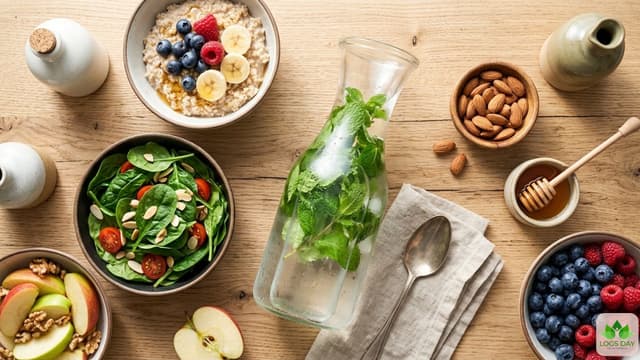
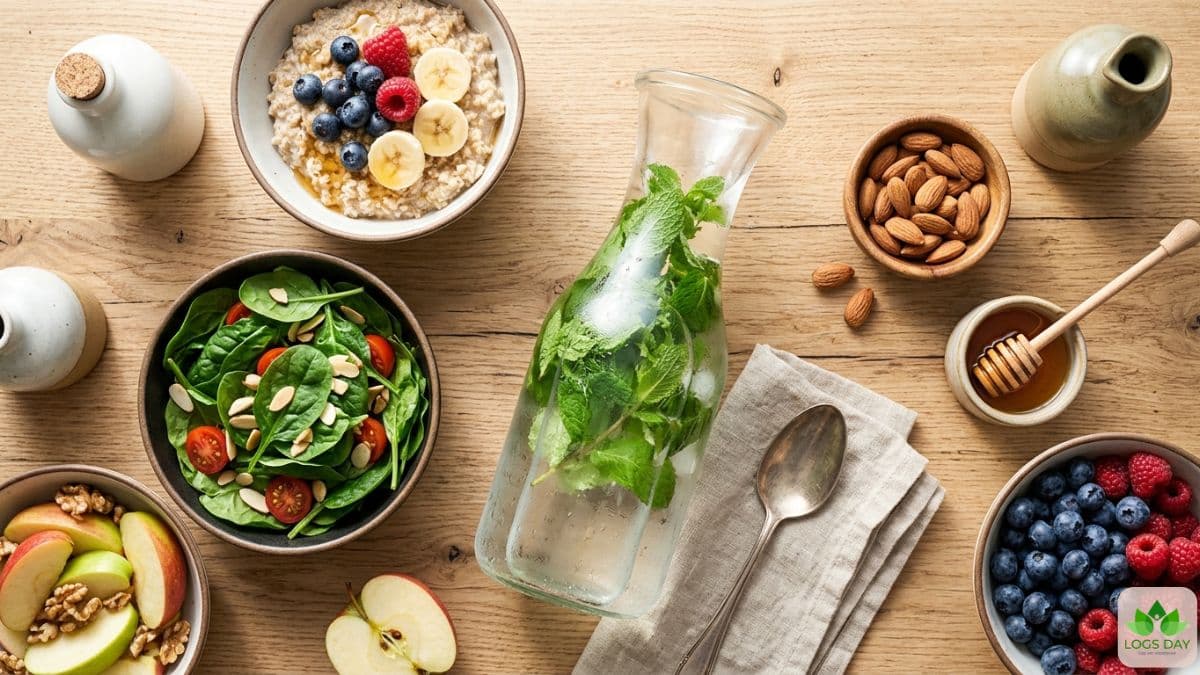
- Soluble fiber (found in oats, fruits, beans)
- Insoluble fiber (found in whole grains, vegetables)
Both are important for fiber colon health. Soluble fiber makes the stool softer, while insoluble fiber adds volume and helps it move smoothly through the digestive system. Most adults need about 25–35 grams of fiber every day. But people often miss on that. And that's the reason constipation is so prevalent. Gastroenterologist Dr. Joseph Salhab explains in this Healthline article, “Fiber is the fertilizer for your gut bacteria,” emphasizing its role in feeding healthy microbes. Similarly, physician Dr. Anthony Baglio notes in this Prisma Health blog, “Fiber rich foods help your good gut bacteria… which can have anti-tumor properties.”
Some fiber-rich foods are:
- Whole grains
- Apples and bananas
- Lentils and chickpeas
Following a colon health diet guide ensure you eat these foods on a regular basis. If your intake is low, start slowly. Sudden increases can lead to bloating. Fiber is not only good for your digestion. It also nourishes good bacteria in your gut. This supports your long-term bowel health lifestyle and keeps your colon strong.
Habit 2: Stay Hydrated for Better Digestion
Water is essential to how your colon works. It breaks down food and keeps stool soft. When you are dehydrated, your colon pulls too much fluid from your waste. This causes hard stools and constipation. Drink enough fluids to keep your digestive system working properly. It also helps fiber do its job well. Fiber without water can actually worsen constipation.
Try to drink 7-10 glasses of water per day. Your needs will change with the activity and climate.
You can also add:
- Coco water
- Teas made from herbs
- Fresh fruit juices (in moderation)
Hydration is a simple but powerful part of any colon health tips routine. It keeps your system clean and active. A good colon health diet guide always includes hydration as a base rule. Without it, even the best foods won’t work effectively.
Habit 3: Eat Foods That Protect Your Colon
Some foods are good for your colon. They're great for inflammation and good bacteria.
These foods for colon health are:
- Spinach or other leafy greens
- Berries high in antioxidants
- Probiotic yogurt
- Onions and garlic
These foods help keep your gut environment in balance. They also support a healthy colon cancer prevention diet. Probiotics are especially helpful. They bring healthy bacteria to your gut. This improves digestion and prevents the growth of harmful bacteria. The smart colon health diet guide is based on whole, natural foods. Processed foods provide no such benefit. One of the simplest ways to protect your colon is to eat colorful fruits and vegetables daily. The more varieties the better.
Habit 4: Avoid Foods That Harm Your Colon
Not all foods are good for your guts. Some can increase inflammation and disease risk.
Foods to control on are-
- Deep fried foods
- Sweets
- Improved carbs
- Too much red meat
These foods can damage the lining of your gut over time. They also affect digestion and may increase the risk of cancer. A strong colon cancer prevention diet avoids these harmful choices as much as possible. Processed foods are especially risky. They often lack fiber and contain harmful additives.
Following a colon health diet guide means making better daily choices. You don’t have to avoid everything completely. Just eat them less often and in smaller amounts. Small changes can protect your colon long term.
Habit 5: Stay Active for Better Bowel Movement
Exercise is not only about weight loss. It has a direct impact on your digestion. Physical activity helps food move through your digestive system. This helps to reduce constipation and improve the regularity. Even walking can help. Target 30 minutes a day or more. Exercise reduces stress as well. This is important because stress impacts your gut.
A healthy bowel health lifestyle always includes movement. Sitting for long hours slows digestion. You don’t need intense workouts. Just stay consistent. Your colon responds well to regular activity. Adding exercise to your routine supports the overall gut health colon system.
Also read: Unexpected Real Apple Cider Vinegar Benefits That Might Surprise You
Habit 6: Limit Processed Meat and Alcohol
Sausages and bacon, and other processed meats, can increase your risk of colon cancer. They have preservatives that can harm your digestive system. Alcohol also impacts your gut lining. Too much of it can inflame you and upset your digestion. A balanced diet for colon cancer prevention limits both. You don’t have to cut on them altogether. But the key is moderation.
Some healthier options include:
- Grilled chicken
- Plant-based proteins
- Fresh homemade meals
Following a colon health diet guide means being mindful of what you consume daily. Your colon benefits from cleaner, simpler foods.
Habit 7: Build a Consistent Eating Routine
Your gut likes to stay on a routine. Eating regularly helps keep your bowel movements regular. If you skip meals or eat sporadically, you can confuse your system. This can cause irregular digestion.
Try to:
- Eat meals at fixed times
- Avoid late-night eating
- Chew food slowly
Consistency supports a stable bowel health lifestyle. A structured routine is often overlooked in colon health tips, but it makes a big difference. Simple habits can improve long-term gut function.
Habit 8: Manage Stress for Gut Balance
Stress may be doing more to your gut than you realize. It can hinder digestion, or cause discomfort.
Chronic Stress Can Cause:
- Gas and Bloating
- Constipated
- Irritable bowel symptoms
Stress management is also a part of a healthy gut health colon routine.
Use simple methods such as:
- Breathing deeply
- Reflective
- Spending time in nature
A healthy gut needs a calm mind. A good colon health diet guide includes mental well-being, not just food.
Habit 9: Get Enough Sleep
Your body repairs itself when you sleep. Poor sleep affects digestion and the balance of gut bacteria. Your digestive system can slow down from lack of sleep. This can make you have irregular bowel movements. Get 7-8 hours of quality sleep each night. Good sleep is good for overall colon health tips and provides you with more energy. Don't use screens before sleep. Maintain a sleep schedule. Good sleep habits are important in the long-term care of the colon.
Habit 10: Regular Screening Guide
Screening can detect problems early. It can help save lives. Most people should begin screening at age 45. If you have a family history you may need to have earlier checks.
Common screening methods are Colonoscopy, Stool tests and Imaging tests. Smart colon health diet guide includes regular check-ups. The disease is easier and more effective to treat when detected early. Discuss your individual risk with your doctor.
Habit 11: Warning Signs to Never Ignore
Your body will give you signs when something is wrong. Don’t forget about them.
Look out for:
- Blood in your stool
- Unintentional weight loss
- Chronic constipation
- Abdominal pain for a long time
These signs may be a sign of something serious. The important thing is to act early. Many conditions are treatable if diagnosed early. One of the most important colon health tips is to listen to what your body is telling you.
Habit 12: Colon Cleanse Myths Debunked
Many people believe in quick fixes, such as detox drinks or cleanses. But most of this is myth. Your body already has a natural system to clean itself out. Your liver and colon team up to flush toxins from your body. There is no need for extreme colon cleanse natural products. Some cleanses can actually harm your gut. They can cause dehydration and imbalance.
A true colon health diet guide focuses on natural habits:
- Fiber-rich foods
- Proper hydration
- Regular activity
These methods are safe for your body. Don’t do shortcuts. Focus on health in the long-run.
Also read: 30 Best Superfoods for 2026: What to Eat for Energy, Immunity & Longevity
Summing Things up
Taking care of your colon is easy. You don’t need rules or expensive products. Just follow the basic habits every day. Eat right, exercise, and listen to your body. A strong colon health diet guide will help you create a healthier future.
For more health guides like this, keep visiting LogsDay and make smarter lifestyle choices every day.
Sources
- https://health.clevelandclinic.org/how-to-keep-your-colon-healthy
- https://www.prevention.com/food-nutrition/a70501599/foods-for-colon-health/
- https://www.bensnaturalhealth.com/blog/foods-for-colon-health/
- https://www.mayoclinichealthsystem.org/hometown-health/speaking-of-health/5-things-you-can-do-to-keep-your-colon-healthy
- https://www.hopkinsmedicine.org/health/conditions-and-diseases/colon-cancer/colon-cancer-prevention