2106
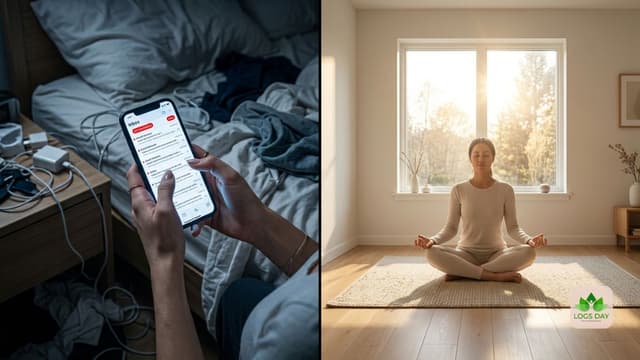
Stress is not something that has a physical form and can show up at the most unexpected moments. You are probably stuck in traffic, preparing for a presentation at work, or lying awake at night thinking about the next day’s chores. Your mind starts to race, your chest starts feeling tight, and suddenly even simple thoughts feel overwhelming.
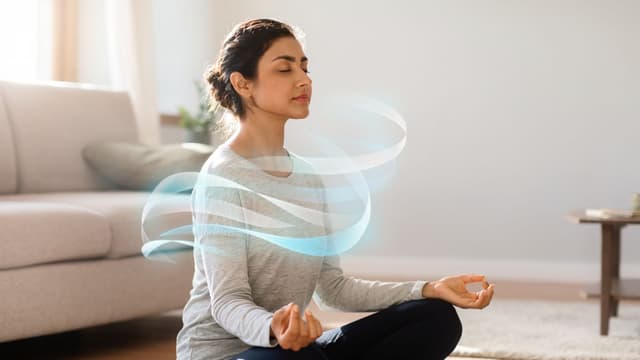
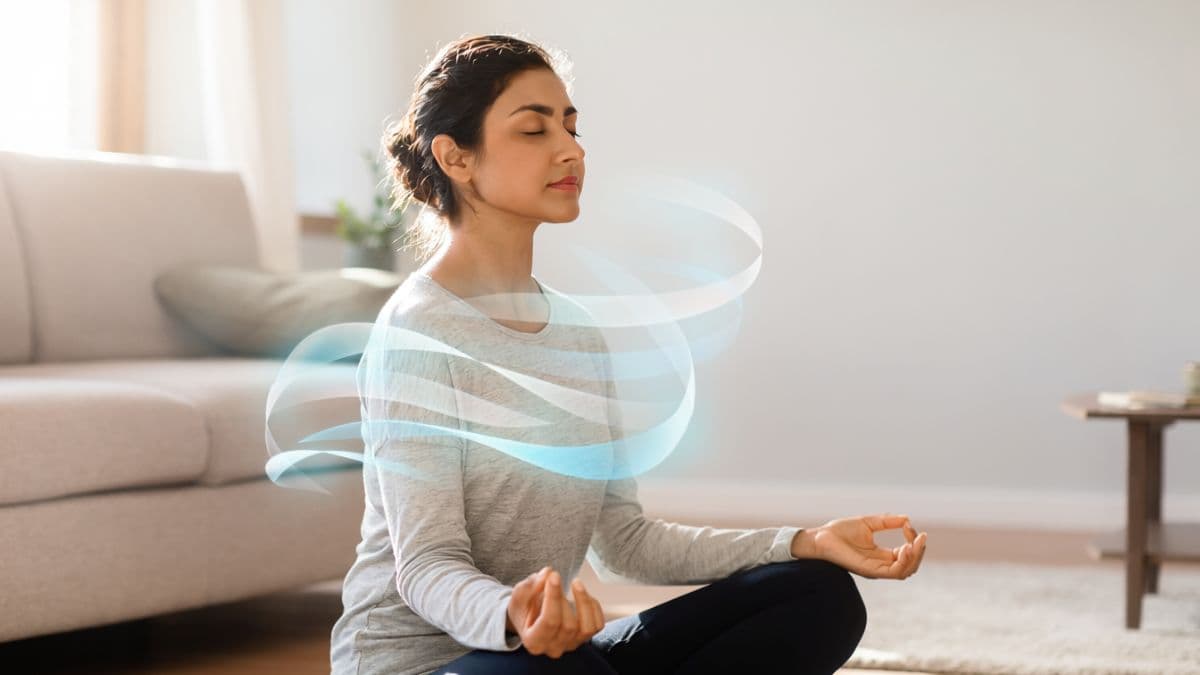
With all these, do you know what is the surprising part? Sometimes the fastest way to calm your mind is through something you are already doing, breathing. Your breath is directly connected to your nervous system. You may notice that when stress hits, breathing becomes fast and shallow. But when you intentionally slow down your breath, your brain receives a signal that it is safe to relax.
This is why health experts recommend breathing exercises for stress. In this guide, you’ll learn 10 powerful breathing techniques that can calm your mind in just a couple of minutes. Do not fret! It is nothing herculean as they are simple, beginner-friendly, and you can do them almost anywhere.
Also Read - 35 Self Care Ideas for Busy People: 5-Minute to 1-Hour Activities by Category
Vagus Nerve and Breathing Science
Let’s look a little deeper into how breathing affects the body. The vagus nerve acts like a communication pathway between your brain and the internal organs. When it is stimulated, it sends calming signals throughout the body.
Slow and monitored breathing, humming, and long exhalations help activate this nerve. This is why several stress relief breathing techniques include slow rhythms and sound-based breathing patterns. Research also shows that breathing patterns of around 5–6 breaths per minute can improve heart rate variability and is often a marker of relaxation and resilience.
This is exactly why calming breathing exercises are widely used in meditation, military training therapy and even sports psychology.
10 Breathing Exercises That Calm Stress Quickly
Below are ten proven breathing techniques that can help regulate stress in just a couple of minutes. You do not need special equipment or training for the same. Just a little time from your busy schedule and your breath.
1. Box Breathing
![[image]](https://admin.logsday.com/storage/media/Box_Breathing__2__2026-03-06_16-48-49_4mvFtH4p.jpg)
Box breathing is one of the simplest techniques to learn and is often used by athletes and corporate professionals when under pressure. If you have ever felt your thoughts going haywire during a stressful moment, this technique can quickly restore focus.
Steps to Follow
- Sit comfortably with your back straight.
- Inhale slowly through your nose for 4 seconds.
- Hold the breath for 4 seconds.
- Exhale slowly for 4 seconds.
- Hold again for 4 seconds.
Repeat the cycle for about a minute or two. This method is also known as the box breathing guide because the timing forms a square in your mind making it easy to remember.
When to Perform?
- Before an important meeting
- During work stress
- When you need fast mental clarity
Many say that after just a few rounds, they feel their heart rate slowing down and thoughts becoming clearer. This is one of the many breathing exercises for stress explained through a structured rhythm.
2. The 4-7-8 Breathing Technique
![[image]](https://admin.logsday.com/storage/media/The_4-7-8_Breathing_Technique_2026-03-06_16-26-07_pqXn7VGh.jpg)
This technique is popular amongst the masses because it helps relax your nervous system quickly and can even improve sleep. The 4-7-8 breathing technique focuses on longer exhalation periods, which naturally calm the body. Repeat for four cycles.
Steps to Follow
- Inhale through your nose for 4 seconds.
- Hold your breath for 7 seconds.
- Slowly exhale through your mouth for 8 seconds.
When to Perform?
- When anxiety strikes suddenly
- Before going to bed
- Times when you are emotionally overwhelmed
The longer exhale helps release the tension from your body. There are several who have reported feeling calmer within minutes after performing this routine. This is another example of exercise for stress explained through controlled breathing patterns.
Also Read - Intermittent Fasting in 2026: Benefits, Risks, Methods & Who Should Avoid It
3. Diaphragmatic Breathing
![[image]](https://admin.logsday.com/storage/media/Diaphragmatic_Breathing_2026-03-06_16-28-32_tf1qenvZ.jpg)
Also known as one of the best deep breathing exercises, diaphragmatic breathing allows the diaphragm to do most of the work. Instead of shallow chest breathing, your stomach gently expands with each breath. Practice this for 2–3 minutes.
Steps to Follow
- Place one hand on your chest and one on your stomach.
- Inhale slowly through your nose.
- Let your stomach rise while your chest stays still.
- Exhale slowly through the mouth.
When to Perform?
- During your break time
- When you feel physically tense
- While resting or meditating
The first time you try this, it may feel difficult or unusual. But with practice, it becomes one of the most effective breathing exercises for stress.
4. Alternate Nostril Breathing
![[image]](https://admin.logsday.com/storage/media/Alternate_Nostril_Breathing_2026-03-06_16-30-55_kgCErbDY.jpg)
This is a breathing technique that comes from traditional yogic practices and is known to balance the mind. It is especially helpful when your thoughts feel scattered. Follow the pattern for 2 minutes straight.
Steps to Follow
- Sit comfortably either on the floor or on a chair.
- Block your right nostril with your thumb.
- Inhale through the left nostril.
- Block the left nostril and release the right.
- Exhale through the right nostril.
- Inhale through the right.
- Switch and exhale through the left.
When to Perform?
- Before your meditation routine
- When you are mentally overloaded
- When you need mental balance
Several find this technique grounding, which is why breathing exercises for anxiety often include this practice.
5. Belly Breathing
![[image]](https://admin.logsday.com/storage/media/Belly_Breathing_2026-03-06_16-33-05_gojyBQWz.jpg)
Belly breathing is known to be one of the most natural ways to relax the body. Interestingly, babies breathe this way naturally. Adults breathe the other way as they lose the habit because of stress and posture.
Steps to Follow
- Sit or lie down comfortably.
- Place both hands on your stomach.
- Inhale deeply and feel your stomach expand.
- Exhale slowly and feel it fall.
When to Perform?
- During your relaxation sessions
- After a stressful conversation or discussion
- Before you go to bed
This technique is frequently recommended when experts suggest quick breathing exercises for stress at therapy sessions.
Also Read - The Gut Brain Connection: How Your Stomach Controls Your Mood, Anxiety & Focus
6. Lion’s Breath
![[image]](https://admin.logsday.com/storage/media/Lion___s_Breath_2026-03-06_16-35-03_tKC6WpEX.jpg)
This technique may feel a little meaningless at the beginning, but is extremely effective at releasing tension. It combines breathing with facial muscle relaxation. You can try repeating this at least 4–5 times.
Steps to Follow
- Sit comfortably.
- Inhale deeply through the nose.
- Open your mouth wide.
- Stick out your tongue and exhale forcefully while making a somewhat silent “haaa” sound.
When to Perform?
- During high frustration levels
- After a tiring and stressful day
- When you need a quick emotional release
It is a silly yet effective calming breathing exercise.
7. Resonance Breathing
![[image]](https://admin.logsday.com/storage/media/Resonance_Breathing_2026-03-06_16-37-49_SAhY66ad.jpg)
Unlike quick breathing patterns, this technique encourages your breath and heart rate to move in harmony. Many find that just a couple of minutes of this breathing pattern can reduce tension.
Steps to Follow
- Inhale slowly for 5 seconds.
- Exhale slowly for 5 seconds.
- Continue this for 2–5 minutes.
This rhythm helps synchronize your breathing and heart rate.
When to Perform?
- Before or during meditation
- During extended period of stress
- While practicing mindfulness
This is also sometimes referred to as vagus nerve breathing, because the rhythm helps stimulate the relaxation response of the body.
8. Pursed Lip Breathing
![[image]](https://admin.logsday.com/storage/media/Pursed_Lip_Breathing_2026-03-06_16-42-01_AZwpDdZp.jpg)
It creates a gentle resistance during exhalation, which allows your lungs to release air more slowly and efficiently. This technique is simple to perform and extremely calming.
Steps to Follow
- Inhale slowly through your nose.
- Purse your lips like you are about to whistle.
- Exhale slowly through the lips.
Extra Tip - Try to make the exhale twice as long as the inhale.
When to Perform?
- During moments of anxiety
- After physical exertion
- When trying to slow breathing
Many therapists recommend this as part of breathing exercises for stress because it naturally slows the breath.
9. Straw Breathing
![[image]](https://admin.logsday.com/storage/media/Straw_Breathing_2026-03-06_16-44-13_YERwzG6K.jpg)
When you feel anxious, you often breathe out too quickly. By imagining that you are blowing air through a small straw, your exhale becomes longer and steadier, which helps the body relax and regain its balance.
Steps to Follow
- Inhale slowly through your nose.
- Exhale through your lips as if blowing through a straw.
- Make the exhale very slow and steady.
When to Perform?
- When feeling overwhelmed
- During stress at work
- While anxious or feeling nervous
This method is frequently included in breathing exercises for stress with a green signal from the stress management coaches.
Also Read - Why Do You Wake Up at 3AM Every Night? 11 Causes and How to Stop It
10. Humming Bee Breath
![[image]](https://admin.logsday.com/storage/media/Humming_Bee_Breath_2026-03-06_16-46-38_LGS43YIq.jpg)
Humming bee breathing is a calming technique that puts together mindful breathing with gentle sound vibrations. When you hum gently while exhaling, the vibrations travel through your face, throat, shoulders and chest.
Steps to Follow
- Inhale deeply.
- Exhale slowly while making a soft humming sound.
- Focus on the vibration in your face and chest.
When to Perform?
- During emotional stress
- Before meditation
- When you want deep relaxation
The vibration naturally helps calm the nervous system.
Quick Reference Guide
Here’s a simple guide to remember when to use each technique.
| Situation | Best Breathing Technique |
| Work stress | Box breathing |
| Trouble sleeping | 4-7-8 breathing |
| Physical tension | Diaphragmatic breathing |
| Mental overload | Alternate nostril breathing |
| Emotional release | Lion’s breath |
| Meditation | Resonance breathing |
| Anxiety spike | Pursed lip breathing |
| Overwhelm | Straw breathing |
| Deep relaxation | Humming bee breath |
| Daily relaxation | Belly breathing |
These methods demonstrate breathing exercises for stress explained through practical everyday situations.
Building a Simple Breathing Habit
Learning breathing techniques is helpful but the real benefits appear when you make it a daily habit. Here are a few easy ways to integrate them into your routine.
- Start with two minutes a day
- Pair breathing with daily activities (morning coffee, work breaks, before bed)
- Use reminders
- Notice how your body feels after a few days
To Sum Things Up
Breathing techniques are one of the fastest ways to calm the nervous system. You require no equipment, no special environment, and only a few minutes out of your daily schedule. The next time stress begins to take up space, pause for a moment and then try one of the techniques from this guide.
Start with just two minutes of intentional breathing and notice how your body responds. Try one of these techniques today, and make it part of your daily routine. For more such content, follow Logsday.
Also Read - Sleep Meditation for Anxiety: 8 Guided Techniques to Calm Your Mind Tonight
Sources
- https://www.healthline.com/health/breathing-exercise
- https://www.webmd.com/balance/stress-management/stress-relief-breathing-techniques
- https://ouraring.com/blog/10-simple-breathing-exercises-for-relaxation/?srsltid=AfmBOoosKczvUVVPXLKT7oZo8GoL8a6GVERjjY4ItX1mx_E9pynkHFTL
- https://www.headspace.com/meditation/breathing-exercises