
886
Why travel photos rarely match real experiences and how expectations, perception, and social media shape what we see versus what we actually feel.
Key Takeaways:
- Social Media Shapes Travel Expectations
- Photos Capture Moments, Not Feelings
- Crowds and Context Change Experiences
- Real Travel Is More Complex Than Images
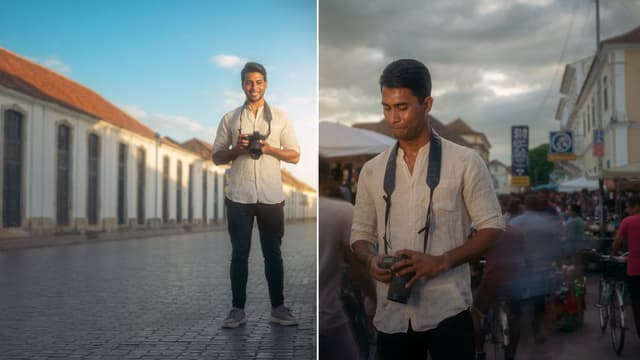
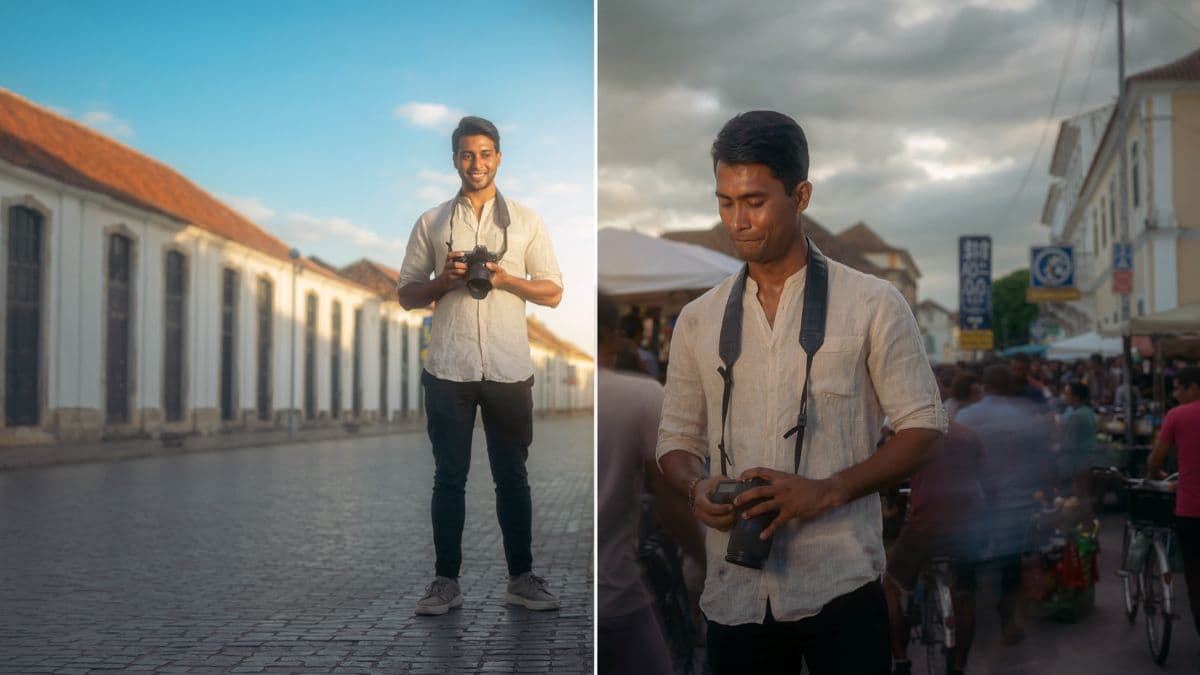
Travel photos often look flawless. Blue skies, empty streets, perfect lighting, and smiling faces create an ideal experience. Yet many travelers feel quite disconnected when they finally reach their destination. The place is real, but the feeling is different. This disconnect explains why travel photos rarely match real experiences. It highlights your trip didn’t go wrong — your expectations did.
Photos freeze for a single moment, but travel unfolds over hours, days, and emotions. Weather changes, crowds appear, fatigue builds, and personal expectations influence perception. While photos promise perfection, real travel is layered, unpredictable, and deeply personal. Understanding this difference helps explain why reality often feels less polished than what we see online.
How Photos Simplify Complex Experiences
Travel experiences are multi-sensory. They involve sounds, smell, temperature, motion, and emotional response. A photograph eliminates all that and condenses a place into one frame.
This is a simplification which is one of the reasons why the travel photos are hardly comparable to real experiences. The sunrise picture in silence does not reveal the early wakefulness, the walk to take, or the viewpoint that is so thick and so full of people outside the picture. Pictures showcase beauty even though they conceal hard work, pain, and uncertainty.
When travelers expect the entire experience to match that one perfect image, disappointment becomes almost inevitable.
Also read: Why Travel Feels More Tiring Than Refreshing These Days
The Role of Social Media Curation
The majority of travel photographs posted on the internet are filtered. There are no regular or awkward posts by people; they share their finest moments. Lighting is optimized, angles are selected, and distractions are eliminated.
In the long run, this develops a skewed vision of what travel is supposed to be. Places seem cooler, purer, and more enchanted than they otherwise would be. This is the reason why travel photos rarely match real experiences in the case of people who are overly affected by social media.
The gap is not because the destination fails, but because expectations were shaped by edited highlights rather than reality.
Why Photos Miss Emotional Context
Photos show places, not feelings. They cannot capture stress from delays, exhaustion from long days, or emotional reactions shaped by personal circumstances.
Two individuals may be in the same location and have entirely distinct experiences. Mood, expectations, and timing all affect perception. A picture posted on the Internet can be an indicator of happiness, yet true experience can be associated with stress, boredom, or even frustration.
This emotional disconnect is the key to understanding why travel photos rarely match real experiences.
Crowds Change Everything
Most of the viral travel images are shot during the off-season or at angles that conceal people. Factually, tourist sites like weekend travel spots are usually crowded, loud, and full of travelers.
It is so different to be in a crowded room and look at a silent picture of the same room. Movement, attention, and emotional response are influenced by crowds. Something that appears to be quiet online can be disorderly in real life.
Another important reason why travel photos rarely match real experiences is this contrast, particularly in popular destinations.
Also read: Sailing Trips for Solo Travellers: Top Destinations for Your Sea Adventure
The Impact of Timing and Conditions
Photos are usually dependent on ideal situations. The skies are clear, the light is soft, and the surroundings are calm, making images visually friendly. Ideal conditions are not always compatible with real travel. Rain, heat, cold, or sudden closures can alter the whole experience. The same place that was photographed when it was at its best may not be as impressive in other conditions. When the hopes are set up on perfect moments, the real-life deviations may seem disappointments even as they are normal.
Expert Opinion: How Perception Shapes Travel Reality
According to researchers working on the destination image and tourist perception, what we observe in the picture tends to create expectation way before we reach the destination. Tourism research indicates that tourists develop perceptions of places based on photos and promotional documents, which determine the way they envision the experience.
On the other hand, Tourism anthropologists also observe that the images used in promotion and user-generated images are likely to selectively frame places. This framing puts emphasis on the scenery and tends to take out context, creating idealized impressions, e.g., other people or infrastructure. Consequently, real-life travel experiences, including their sensual, interpersonal and unpredictable qualities, may not be what images depict. This is one of the reasons why tourists believe that pictures do not reflect the experience of a destination.
Real Travel Is Messy and Human
Travel includes waiting, confusion, discomfort, and unpredictability. These moments rarely appear in photos, yet they shape the experience.
Getting lost, adapting plans, or interacting with locals often creates the most meaningful memories. These moments cannot be staged or captured easily, but they add depth to travel.
Recognizing this complexity helps travelers appreciate reality instead of measuring it against images.
Also read: Smart Road Trip Travel Hacks: Making Your Journey Safe and Unforgettable
Learning to Experience Beyond the Frame
Learning why travel photos never match real experiences can enable the travelers to look at the trips differently. Photos can be inspiring but not defining.
Travel can be considered an experience and not a performance and once this is done, there would be more satisfaction. Memories are more alive when lived and not compared.
Actual travelling is not supposed to appear ideal. It is meant to be felt.
Winding up
The problem of why travel photos rarely match real experiences is one of perception, expectation and image boundaries. The pictures are beautiful, yet they lack context, emotion, and complexity. Realizing this disconnect allows travelers to shed unrealistic expectations and live more in the present, real moments. Travel will be more valuable as it should be lived moment-by-moment and not compared to a refined appearance.
Also read: Why Budget Trips Often Feel More Stressful Than Expensive Ones
If you want more simple, easy travel and lifestyle guides like this, keep exploring Logsday, where real-life tips are written to make everyday decisions easier.
Sources
https://greatergood.berkeley.edu
https://www.psychologytoday.com