
1159
Optimize your sleep hygiene practices with smart tech tips to improve sleep quality, control light, noise, and temperature in your bedroom.
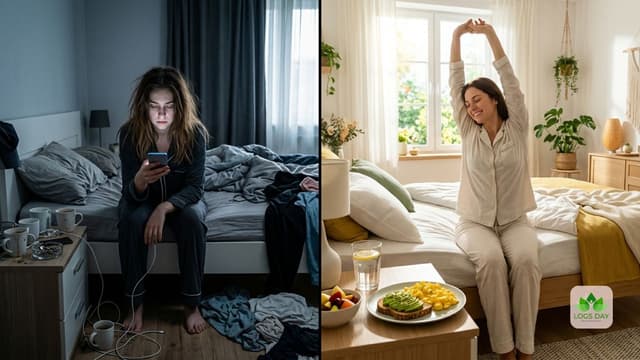
Have you ever gone to bed tired but found yourself tossing and turning for hours? I used to do that a lot. I blamed stress, late-night snacks, and even the full moon (yes, really). But it took me a while to realize the problem was my bedroom environment—and my sleep hygiene practices.
In today’s fast-moving world, we often forget how important good sleep is. And not just the number of hours, but the quality of sleep. That’s where smart tech, including wearable healthtech, comes into play. I didn’t believe it at first either, but after making a few changes using smart bedroom gadgets and tracking my sleep patterns through a wearable device, I started waking up feeling truly refreshed. Let me walk you through what worked for me—and maybe it’ll help you too.
What Is Sleep Hygiene and Why Should You Care?
Before we get to the fun tech part, let’s understand the basics.
Sleep hygiene practices are simple habits and environmental tweaks that help improve sleep quality. Think of it like brushing your teeth—only for your sleep. Things like avoiding caffeine before bed, keeping a routine, detoxing your body through healthy habits, and having the right lighting all fall under sleep hygiene.
It’s not just about falling asleep quickly. It’s about staying asleep and waking up rested. And that’s exactly what smart technology can help with.
The Smart Tech That Changed My Bedroom (and My Life)
Let me be honest—I used to think smart homes were just fancy toys. But once I started using a few simple gadgets, I became a fan. Here’s how I optimized my bedroom environment for better sleep.
Smart Lighting for Blue Light Control
Did you know that blue light from screens can mess up your sleep cycle? I used to scroll endlessly on my phone before bed, only to lie awake staring at the ceiling.
Now, I use a smart bulb that changes color temperature in the evening. Around 9 p.m., it shifts to a warm, orange hue. This helps my brain understand it’s time to wind down. Some bulbs even have a “circadian rhythm” setting—it mimics natural sunlight through the day. Trust me, this small switch made a huge difference.
Try this: Set a timer for your smart lights to dim an hour before your bedtime. You’ll be surprised how quickly your body gets the signal to relax.
White Noise Machines: Blocking the Chaos
I live in a noisy neighborhood—dogs barking, cars zooming by, and the occasional party next door. I didn’t realize how much it affected my sleep until I tried a white noise machine.
These little devices play calming sounds like rain, waves, or static, which help block background noise. Some even offer pink noise and brown noise, which I personally find more soothing.
And if you don’t want an extra device, many smart speakers like Google Nest or Alexa have white noise options built-in. Just say, “Play ocean sounds,” and let the waves carry you to sleep.
Temperature Control: No More Tossing and Turning
Have you ever woken up sweaty at 2 a.m.? Or wrapped yourself in blankets because the room felt like a freezer? That’s because your body temperature plays a big role in sleep quality.
I started using a smart thermostat, and wow—it’s a game-changer. I set it to cool the room slightly at night (around 65°F or 18°C), and I fall asleep faster. Many smart thermostats also learn your schedule, so you don’t have to adjust it every night.
Some smart beds even offer dual-zone temperature control, so if you share your bed, both of you can sleep at your ideal temperature. No more blanket wars.
Sleep Trackers: Know Your Patterns
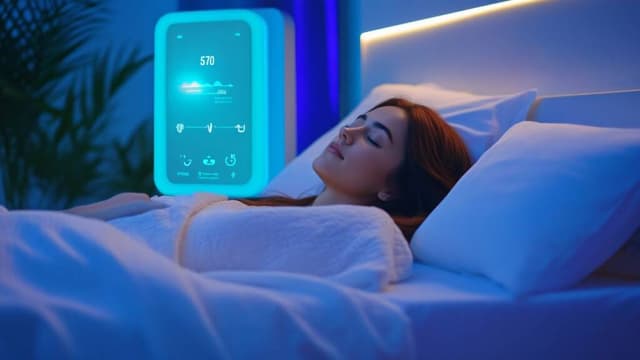
I was curious about how well I was actually sleeping. So, I tried a sleep tracker—mine came in the form of a smartwatch. It showed me things I had no clue about, like how much deep sleep I was getting and how often I was waking up during the night.
Some sleep trackers can even connect with your smart lights and thermostat to suggest changes to your sleep hygiene practices based on your patterns. Pretty cool, right?
Additional Sleep Hygiene Practices That Don’t Need Tech
Tech helps, but it’s not the whole story. Here are a few simple things I also do that really boost my sleep quality:
- Stick to a sleep schedule, even on weekends.
- Avoid screens at least 30 minutes before bed (or use blue light filters).
- Keep the bedroom dark and quiet—blackout curtains help a lot.
- Don’t eat a heavy meal or drink caffeine too close to bedtime.
- Make your bed a place only for sleep—not work or Netflix binges.
These basic habits, when combined with smart tech, make for a powerful bedtime combo.
The Crux
Improving your sleep hygiene practices doesn’t mean changing your life overnight. But it does mean paying attention to the details—like how much light, sound, and temperature affect your rest.
Adding a bit of smart tech into your bedroom environment can take your sleep from “meh” to magical. For me, it started with a single smart bulb and grew into a cozy, tech-enhanced sleep zone. Now, bedtime feels like a luxury.
And the best part? I wake up with more energy, fewer headaches, and a better mood. If sleep is half your life, why not make it awesome?
So, how’s your sleep lately? Maybe it’s time to give your bedroom a little upgrade—your body (and mind) will feel the difference.