592
Several years ago, I began to notice some unusual changes in my body. Almost every time I ate out, or even after having a “healthy” meal prepared at home, I felt uncomfortable, bloated, and in some cases tired. Initially, I ignored these symptoms. I thought maybe I was just stressed or overeating. But eventually it became a pattern.
Have you ever felt like that? Have you felt that your body is trying to tell you something, but you are not sure what?
This is the time when I came across the concept of low- FODMAP diet. Honestly, the concept initially seemed complicated, but once I understood, things began to make sense. Gradually, with small changes, I started to feel more energetic, lighter, and again in control of digestion.
The FODMAPs diet guide for beginners makes things simple for you. No confusing jargon, just practical and clear steps that help you to understand how to get started, what to eat, and what to avoid.
What are FODMAPs?
FODMAPs are a variant of carbohydrates (sugars) that can’t be digested easily by some people. The term stands for:
- Oligosaccharides
- Fermentable
- Monosaccharides
- Polyols
- And Disaccharides
Does it look complicated? Then here is the simple version. All of these are simple foods that cause gas, digestive discomfort, bloating, and stomach pain. This is very common in people with health conditions like IBS and sensitive digestive issues.
Also read: Meditation Room Setup Ideas: Create a Calm Space That Feels Like Home
Reasons to follow a Low-FODMAP diet
The main goal of following the FODMAPs diet guide for beginners is not to eliminate these foods forever. Instead, it is an effective way to understand your body better. So, it offers you the benefits like better digestion, reduced bloating, improved energy levels, and less stomach discomfort.
Hazel Galon Veloso, M.D., a gastroenterologist at Johns Hopkins, mentions that a low FODMAP diet is a short-term and restrictive eating plan.
Most of the people start noticing improvement within several weeks.
What are the phases of the FODMAPs diet?
Before diving into the low-FODMAP diet, let’s talk about the important phases of following the FODMAP diet.
- Elimination phase- In this stage, you have to eliminate high-FODMAP foods for several weeks.
- Reintroduction phase- Here, you have to add back those foods slowly to find out what triggers symptoms.
- Personalization phase- Create a long-term diet plan that is perfect for you.
So, you can consider it as the process of discovery and not restriction.
How to follow the FODMAP diet without feeling overwhelmed?
Let’s follow a realistic plan.
- Begin small. Never plan to change everything overnight.
- Be patient. Your body will take time to adjust.
- Read the labels before you eat anything. Several packaged foods often contain hidden FODMAPs.
- Cook your food at home. This way, you will have more control over the ingredients.
Julie Stefanski, RDN, CDCES, a spokesperson for the Academy of Nutrition and Dietetics, says not every food on the FODMAP diet can make somebody ill. So, it is necessary to remove those foods that are causing a real problem.
How to know it’s working?
Once you follow the FODMAPs diet, you might notice better digestion, less bloating, and improved energy.
All these are signs that your digestive health diet plan is working. And these small wins matter.
What are the common mistakes to avoid?
Always remember that the FODMAPs diet guide for beginners is only about learning. So, don’t rush and avoid these common mistakes.
❌Hoping for instant results.
❌Not reintroducing foods properly.
❌Cutting so many foods right away.
How long should you follow the FODMAPs diet?
The elimination phase continues for 2-6 weeks. After that, you need to follow reintroduction. You will be happy to know that it will not be a lifelong restrictive diet.
What are the high- FODMAP foods you must avoid?
Let’s talk about the high FODMAP foods to avoid or limit during the elimination process.
- Vegetables- Garlic, onions, cauliflower.
- Fruits- Mangoes, apples, pears.
- Grains- Wheat-based products.
- Dairy- Soft cheese, milk.
- Others- Artificial sweeteners, lentils, and beans.
One quick question to ask here, is do you feel any discomfort after any of these?
Also read: What Are the Most Effective Vagus Nerve Exercises at Home?
What are the low- FODMAP foods you can eat?
- Vegetables- Spinach, zucchini, carrots.
- Fruits- Blueberries, bananas, oranges.
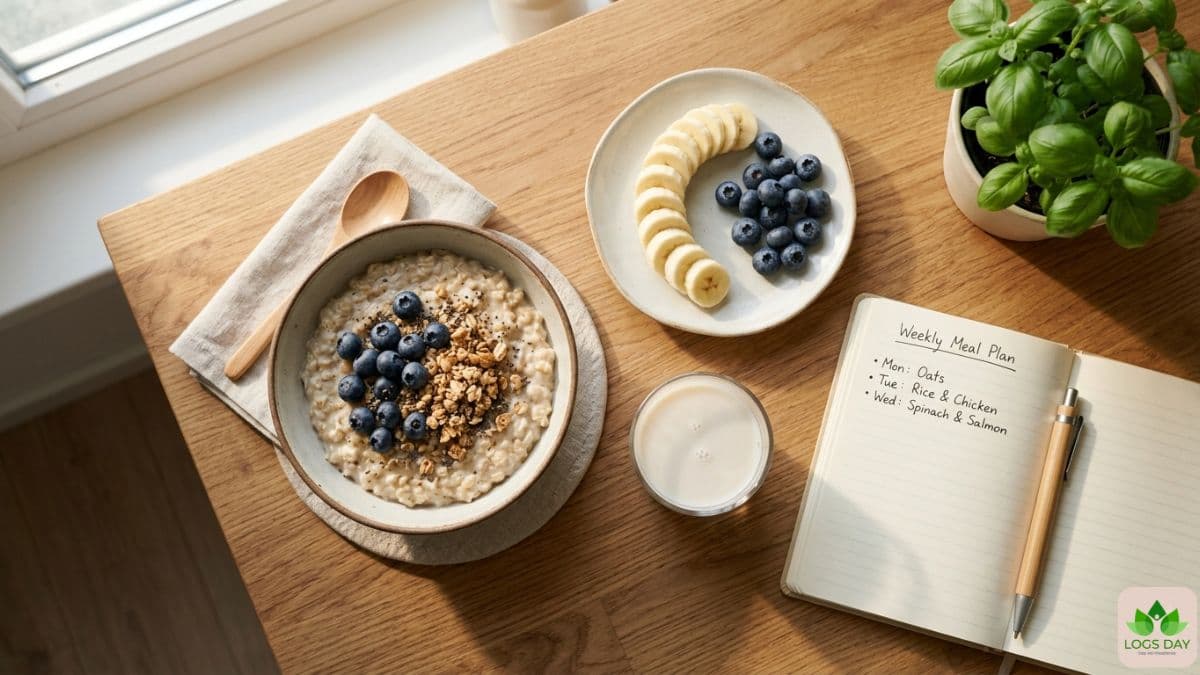
- Grains- Quinoa, rice, oats.
- Proteins- Fish, eggs, chicken.
- Dairy alternatives- Almond milk, lactose-free milk.
This is the best thing about the FODMAPs diet guide for beginners. You have plenty of choices in the low FODMAP food list.
Jessica Kelly, MS, RDN, LDN, says that the low FODMAP diet can be considered as a guide to relief. It lets you discover the foods that really affect you and which don’t.
My simple daily meal routine
- My breakfast- Oatmeal and blueberries.
- My lunch- Grilled chicken with sauteed vegetables and rice.
- My snack- Nuts or a banana.
- My dinner- Salmon with spinach and roasted carrots.
Can you eat out while being on a low-FODMAPs diet?
Yes, you can still eat out when on a low-FODMAP IBS diet plan. Here are the simple tips you have to follow in this regard. Ask about the food ingredients; opt for simple dishes like grilled food that are not heavily seasoned, and avoid sauces containing onion or garlic.
Soon, it will be easier with practice.
Also read: Do You Know All 34 Perimenopause Symptoms Most Women Miss?
Wrapping up: listen to your body
Starting a new diet plan often feels confusing. But it doesn’t need to be. The FODMAPs diet guide for beginners is all about making things practical and simple. Besides, there is no need to be perfect all the time. And there is no need to know all the things instantly. All you have to do is pay attention to the way your body responds.
Remember, in some cases, you can’t get better health from doing more. Rather, it comes from understanding the FODMAP meal ideas that work for you.
Want to have more information on diet and wellness tips? Then visit Logsday.
Sources
- https://cdhf.ca/en/understanding-the-fodmap-diet/
- https://www.hopkinsmedicine.org/health/wellness-and-prevention/fodmap-diet-what-you-need-to-know
- https://my.clevelandclinic.org/health/treatments/22466-low-fodmap-diet
- https://www.uhhospitals.org/services/clinical-nutrition-services/patient-resources/diet-information/low-fodmap-diet-for-patients-with-irritable-bowel-syndrome