
916
Know about 7 days of calorie deficit meal plans that make healthy eating easy and tasty. Enjoy simple, nutrient-dense meals for sustainable weight loss without feeling deprived.
Key Takeaways:
- 7-Day Easy Calorie Deficit Meals
- Power of Nutrient-Dense Foods
- Simple, Sustainable Weight Loss
Do you want to lose weight without being hungry or bored? You’re not the only one! Creating calorie deficit meal plans can be one of the most effective and enjoyable ways to reach your fitness goals. A calorie deficit means that you eat fewer calories than your body burns.
This makes your body use fat that it has stored up for energy, which helps you lose weight in a healthy way over time. You don’t have to stop eating the foods you love; you just need to find a good balance. The secret is to find meals that are both tasty and light. Once you get the hang of it, it will be easy to keep your weight at a healthy level.
This guide has seven days’ worth of easy, tasty, and balanced calorie deficit meals that will help you stay full and full of energy. It’s easy to make these meals, and you don’t need any special ingredients.
You can easily change the recipes to fit your tastes and way of life. You will also learn how to practice portion control for weight loss and plan meals that keep you from wanting to eat. Let’s work together to make eating well simple, enjoyable, and tasty!
What Is a Calorie Deficit?
You are in a calorie deficit when you eat less than what your body needs to stay at the same weight. If you eat 1,700 calories a day but need 2,000, you’re 300 calories short. This difference causes your body to burn fat for energy.
But keep in mind that a sustainable calorie deficit isn’t about not eating; it’s about eating smart. If you do it right, you can still eat filling meals while losing weight naturally. In this case, being consistent is more important than being quick. A moderate deficit keeps your metabolism going and keeps you from feeling tired or deprived.
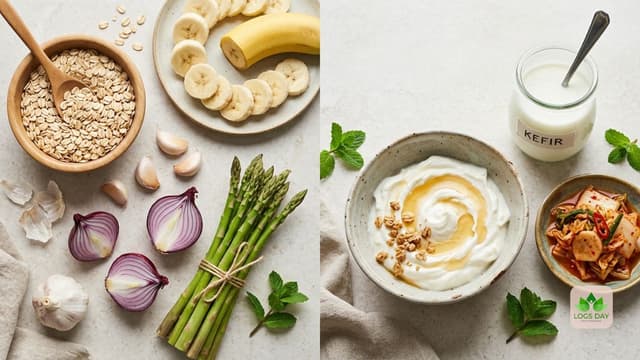
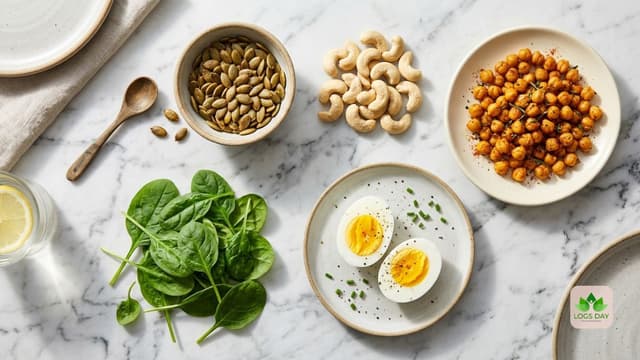
A healthy calorie deficit diet should always include nutrient-dense foods like lean proteins, whole grains, fruits, and vegetables. These foods keep your body strong and your immune system healthy. You also stay full longer, which helps prevent overeating.
It’s not about eating less; it’s about eating better. Over time, small changes like switching from fried foods to grilled ones can make a big difference. When you follow well-balanced calorie deficit meal plans, you don’t feel like you’re missing out on anything. Choosing whole, natural foods helps you keep your calorie deficit balanced and easy to stick to
When combined with regular movement or calorie deficit and exercise, it helps you lose fat safely and keep your energy up. A short walk or light workout at home every day can help the process work better. Not only does exercise burn calories, but it also makes you feel better. Every day, you will feel stronger, happier, and more sure of yourself.
7-Day Calorie Deficit Meal Plan
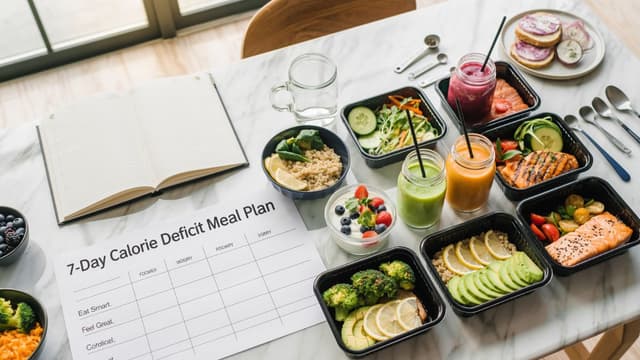
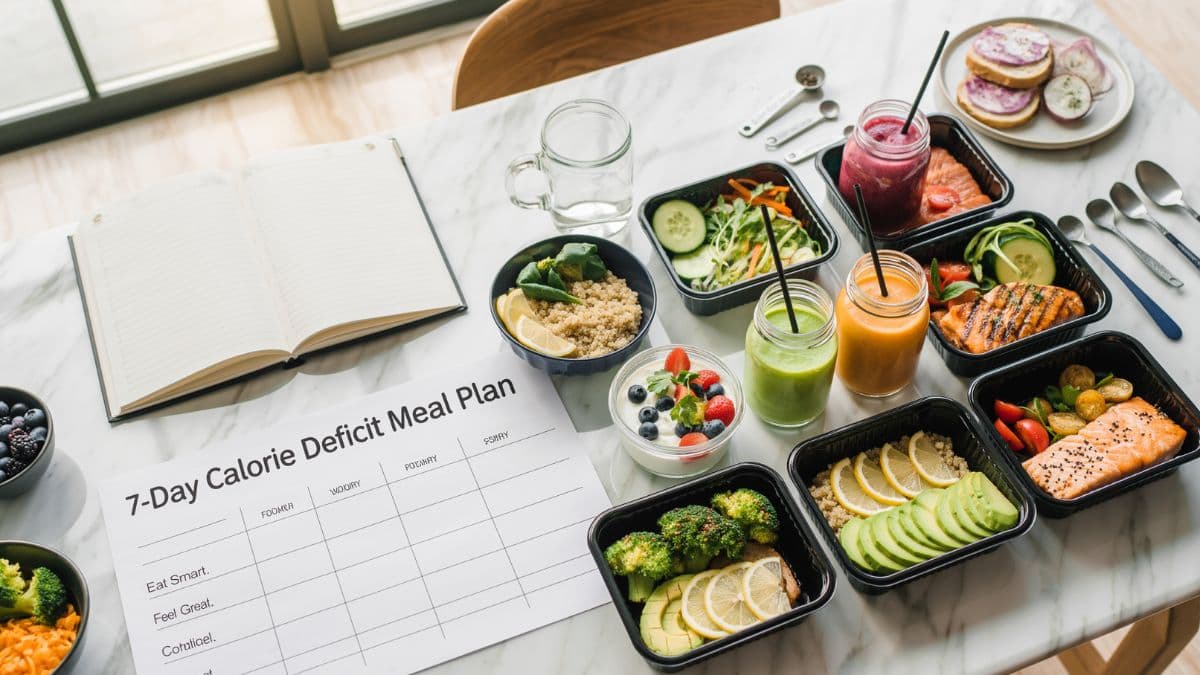
Here’s a simple 7-day plan with easy meal ideas you’ll actually look forward to. You don’t have to be a professional cook to use these recipes. Every meal is full of flavor but low in calories. It’s all about getting the right amount of food, variety, and balance.
Day 1
- Breakfast: Greek yogurt with honey and berries (high in protein in calorie deficit)
- Lunch: Grilled chicken wrap with veggies and hummus
- Dinner: Baked salmon with quinoa and steamed broccoli
- Snack: A handful of almonds
All day long, drink a lot of water. It helps your body digest food and stops you from snacking too much. Drinking enough water also helps your body get rid of toxins and makes your skin better. If plain water gets boring, try adding slices of lemon or cucumber. These little changes make it much easier to stick to a sustainable calorie deficit routine.
Day 2
- Breakfast: Oatmeal with banana slices and a spoon of peanut butter
- Lunch: Lentil soup with whole-grain toast
- Dinner: Stir-fried tofu with mixed vegetables and brown rice
- Snack: Apple slices with almond butter
This day is perfect for anyone looking for low-calorie meal ideas that still feel comforting. Fiber and protein together keep you full for hours. It also helps with digestion and gives you steady energy. Take your time eating; it will help you feel full faster.
Eating mindfully is one of the easiest ways to practice portion control for weight loss without counting every bite.
Day 3
- Breakfast: Scrambled eggs with spinach and tomatoes
- Lunch: Turkey sandwich with whole-grain bread and side salad
- Dinner: Grilled shrimp with roasted sweet potatoes and green beans
- Snack: Cottage cheese with pineapple chunks
Every meal should have some vegetables that are high in fiber. Fiber helps your body digest food, keeps you full, and helps you lose weight in a healthy way.
When you can, try to replace refined carbs with whole grains. This kind of simple habit can help you get long-lasting results from short-term diets.
You will also notice that your gut health gets better and your energy levels stay more stable throughout the day.
Day 4
- Breakfast: Smoothie with spinach, banana, and protein powder
- Lunch: Quinoa salad with chickpeas, cucumber, and olive oil dressing
- Dinner: Chicken stir-fry with mixed peppers and brown rice
- Snack: Greek yogurt with chia seeds
Smoothies are a simple way to get more fruits and vegetables into your diet. They are filling, refreshing, and perfect for busy mornings. Chickpeas and quinoa are both full of nutrients that help keep your muscles strong.
Olive oil has healthy fats that help your body absorb vitamins better. This meal plan helps you reach your calorie deficit goals while still making you feel full.
Day 5
- Breakfast: Whole-grain toast with avocado and poached eggs
- Lunch: Tuna salad with lettuce, cherry tomatoes, and olive oil
- Dinner: Grilled paneer or tofu with mixed roasted vegetables
- Snack: Handful of mixed nuts
It’s better to make small, regular changes than big ones. Follow your plan and keep an eye on how you’re doing. Over time, your taste buds will get used to healthier foods. Celebrate little victories, like not drinking soda or eating more vegetables.
These decisions will lead to lasting change. Sticking to balanced calorie deficit meals makes your journey easier.
Day 6
- Breakfast: Chia seed and berry overnight oats
- Lunch: A veggie wrap with hummus and spinach
- Dinner: A boiled egg or a protein bar for a snack
- Snack: A boiled egg or a protein bar
This plan keeps your calorie deficit recipes balanced and easy to make. You can save time during the week by making meals ahead of time. Overnight oats are perfect for busy mornings, and wraps make great on-the-go lunches.
Focus on fresh ingredients, not fancy ones. When your food looks colorful, it’s usually packed with nutrients too!
Day 7
- Breakfast: Yogurt parfait with oats, fruits, and honey
- Lunch: Grilled fish tacos with avocado and salsa
- Dinner: Brown rice bowl with tofu, broccoli, and soy sauce
- Snack: Dark chocolate (a small piece—yes, you can treat yourself!)
Keep track of your meals to be aware, not obsessed. It’s about moving forward, not being perfect. Take a moment to think about what went well and what didn’t this week.
You can change your meals depending on what you want and when you have time. You will eventually find the right pace for a healthy diet that doesn’t feel too hard.
How to Maintain a Sustainable Calorie Deficit
To maintain a sustainable calorie deficit, you need to find a balance, not go too far. Don’t look for quick fixes; instead, focus on consistency. Pay attention to what your body is telling you. You might need to change your meals a little if you’re tired or dizzy. The key to success is to make a routine that you enjoy.
Here are some simple ways to make it easier:
- Eat real food: Stick to nutrient-dense foods that fuel your body.
- Don’t skip meals: it makes you eat too much later.
- Work out: Calorie deficit and exercise go hand in hand for long-lasting results.
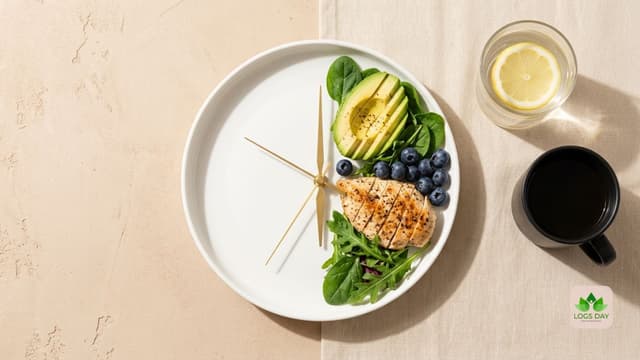
- Watch your portions: Using small plates can help you keep your portions in check while losing weight.
- Stay consistent: Every small effort adds up over time.
Benefits of a Healthy Calorie Deficit Diet
A healthy calorie deficit diet does more than help you lose weight. It makes you feel better, gives you more energy, and boosts your confidence.
Your digestion gets better, and your sleep often gets better too. You’ll want less sugar and have more control over your hunger. These little victories make you feel good in both body and mind.
Keeping enough protein in calorie deficit meals helps keep your muscles strong. This is important because muscles burn more calories even when they’re not working. Eating the right foods makes it easier and more fun to lose weight. With time, your body will adjust perfectly to this new, healthier routine.
Common Mistakes to Avoid
If you cut too many calories, your metabolism may slow down. Not eating enough protein or fiber can make you feel weak or hungry all the time. Drinking sugary drinks or not getting enough sleep also slows down progress. Instead, focus on eating mindfully, getting enough sleep, and finding balance.
In the end, going slow and steady always wins. Keep in mind that the goal is to make healthy habits that last a lifetime, not just for a short time. You don’t have to be perfect; you just have to be consistent. When you treat your body well, good things happen.
Why Calorie Deficit Meal Plans Work
These calorie deficit meal plans help you lose weight by cutting calories work because they give you structure, satisfaction, and freedom. You can still eat real food while working toward your goals. The plan suggests eating habits that are good for your body and mind. You will feel more energetic, happier, and make steady progress over time.
This method teaches portion awareness without making you feel restricted. You’ll also understand your hunger cues better. The mix of balanced calorie deficit meals and moderate exercise builds long-lasting wellness. It’s not just about how you look; it’s about how you feel every day.
Why Calorie Deficit Meal Plans Work: Expert Perspectives
Nutrition expert Ali Redmond from EatingWell explains, “A 1,500-calorie meal plan that includes high protein and high fiber foods helps with weight loss by keeping you feeling fuller for longer, without feeling deprived.” She highlights how strategically designed meal plans can support sustainable weight loss while maintaining energy and satisfaction.
Similarly, Healthline emphasizes, “Creating a calorie deficit either by eating less or increasing physical activity is necessary for weight loss.
Balancing nutrient-dense whole foods while maintaining a slight calorie deficit is key to long-term success”.
These tips from trusted experts confirm that meal plans that create a calorie deficit in a safe way by focusing on nutrient balance and fullness are the best way to lose weight and keep it off.
Final Thoughts
It doesn’t have to be hard to lose weight. You can still reach your goals while eating real, tasty meals with these calorie deficit meal plans.
You are making yourself stronger and healthier every day you do these things. Be patient, trust the process, and be happy with every little step forward you take.
Start your healthy eating journey today with more practical wellness tips at www.logsday.com! Discover smart lifestyle hacks, trending health ideas, and balanced wellness tips you’ll love.
Sources
https://www.healthline.com/nutrition/1500-calorie-diet
https://www.mayoclinic.org/healthy-lifestyle/weight-loss/in-depth/weight-loss/art-20044318
https://www.eatingwell.com/article/287731/7-day-diet-meal-plan-to-lose-weight-1800-calories
http://www.webmd.com/diet/calorie-deficit
https://nutritionsource.hsph.harvard.edu/healthy-eating-plate/