
853
TL;DR
- Feeling heavy or experiencing bloating after meals is often a sign that your digestive system needs extra support.
- If you're wondering how to speed up digestion, simple lifestyle changes can make a noticeable difference.
- Staying hydrated, eating fiber-rich foods, chewing thoroughly, walking after meals, managing stress, and getting enough sleep all help improve digestion naturally.
- Avoiding overeating and limiting processed foods can also reduce digestive discomfort.
- Most cases of slow digestion improve with healthy habits, but persistent symptoms should be evaluated by a healthcare professional.
Have you ever wondered how to speed up digestion after finishing a meal that leaves you feeling heavy, sluggish, and uncomfortable? If you often experience bloating after meals, gas, or a tight stomach, you're not alone. These symptoms are surprisingly common and are often linked to slow digestion.
Modern lifestyles have made digestive problems more common than ever. Eating too quickly, consuming processed foods, skipping physical activity, staying stressed, or overeating can all slow down the digestive process. When food moves through your digestive system more slowly than it should, you may feel full for hours, low on energy, and generally uncomfortable.
The good news is that you don't need expensive supplements or complicated detox plans to support healthy digestion. Simple, science-backed daily habits can help your digestive system work more efficiently, reduce bloating, and leave you feeling lighter after every meal.
In this article, you'll learn:
- How digestion works
- Common signs of slow digestion
- 12 natural ways to speed up digestion
- When slow digestion may require medical attention
By making a few small changes to your daily routine, you can improve digestion naturally, reduce bloating after meals, and enjoy greater comfort and energy throughout the day.
How Digestion Works
Before we learn how to speed up digestion, it helps to understand the digestion process. It begins the moment food enters your mouth. When you chew food, your teeth break the food into small pieces. Saliva then begins breaking down nutrients.
Next, the food travels down the esophagus into the stomach. Inside the stomach, the acid and digestive juices break down the food further. Food then moves into the small intestine. This is where most nutrients enter the blood stream.
After this, the remaining waste moves into the large intestine. Here water is absorbed and gut bacteria help finish the digestive process. Finally, the body removes waste from your body. This whole process takes one to three days.
So, when the entire digestion is slow, people start looking out for slow digestion remedies and helpful digestive health tips.
Also read: How To Boost Your Metabolism Naturally: 18 Science-Backed Methods (No Pills Needed)
Signs Your Digestion May Be Slow
Your body usually gives signals when digestion is not working properly.
Common signs include:
- Feeling uncomfortable after meals for several hours
- Frequent bloating after meals
- Constipation
- Feeling low on energy
- Irregular bowel movements
Let’s take an example, you ate lunch around 1 PM and felt heavy throughout the afternoon. This could be a sign that food is moving slowly through the digestive system. This creates an uneasy feeling – a bloated, swollen tummy.
When people experience this, they often start looking out for ways how to speed up digestion or look out how to digest food faster.
12 Simple Ways to Speed Up Digestion Naturally
You don’t need any fancy or complicated solutions to fix your digestive system. Just small changes in your daily routine can speed up digestion.
1. Include Fiber in Your Day Diet
Fiber is essential to keep your digestive movement healthy and strong. It helps food to pass easily through the digestive system.
Fiber rich foods include:
- Vegetables
- Whole grains
- Beans
- Lentils
- Fruits
Adding fiber in your daily diet will speed up digestion as well as improves metabolism. Dr. Justin Sonnenburg, a renowned microbiome researcher, highlights the importance of gut bacteria in digestion. He explains that a fiber-rich foods helps feed gut microbes which helps faster and efficient digestion.
2. Drink Water Throughout the Day
Hydration is very important to stay healthy. Water helps break down the food and move waste through the intestines. When you are dehydrated, digestion slows down and makes you feel uncomfortable.
If you are looking how to speed up digestion, drinking 6-7 glasses of water is one of the easiest and most effective habits to follow. According to Dr. Kensuke Sato along with his research team states that drinking enough water plays a crucial role in maintaining gut health and improving digestion. His studies show that low water intake can disrupt gut movement and may lead to constipation.
3. Movement After Eating
Even a short walk after eating makes a whole lot of difference. Light movements promote better digestive process. Instead of just lying down in bed after eating will slow down the digestion causing heaviness and bloating.
A short walk after meals improves your digestive health. It helps food move through the stomach more efficiently. Just 10-15 minutes of walking can speed up digestion and ease discomfort.
Also read: The Gut-Brain Connection: How Your Stomach Controls Your Mood, Anxiety & Focus
4. Apple Cider Vinegar
Apple cider vinegar is widely known to aid digestion. It helps stomach produce more acid. This makes it easier for the body to break down easily.
You can mix 1 teaspoon of apple cider vinegar in a glass of water. Drink it before eating your food. This simple hack may help anyone who is looking for how to speed up digestion.
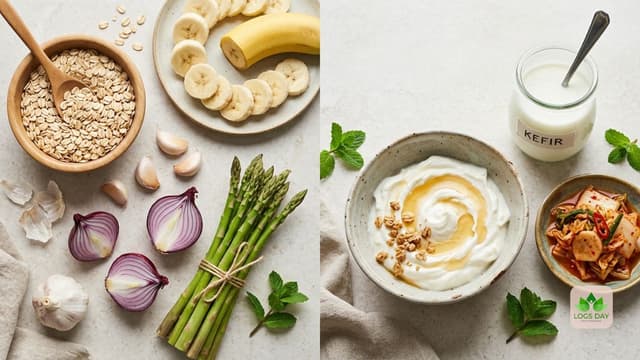
5. Eat Probiotic Foods
Probiotic foods help with digestion. It helps nourish the good bacteria in your gut by breaking down the food more efficiently as well as improves nutrients absorption. It also helps support gut health and can lower inflammation.
Some of the well-known examples include:
- Yogurt
- Buttermilk
- Fermented foods like kimchi and certain fermented pickles
- Kefir
- Kombucha
Adding these foods to your diet can help improve digestion naturally.
6. Practice Mindful eating
Mindful eating is the simple habit of paying full attention to your food. Sometimes rushing through meals makes you overeat which puts extra pressure to your digestive system. This slows down digestion. This can cause bloating, heaviness, and overall discomfort.
Eating with awareness support better digestion and make you feel lighter. Try eating smaller portions instead of large meals. This makes it easier for your body to process food as well as helps speed up digestion. Balanced meals can make you feel lighter and energetic throughout the day.
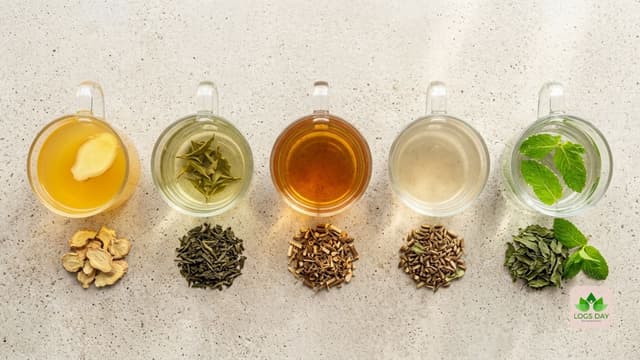
7. Use Ginger for Better Digestion
Ginger is well known for its health benefits. It is especially helpful for improving digestion. It helps activate stomach contractions and aids in better digestion.
There are several ways to consume ginger:
- Ginger tea
- Adding fresh ginger to your meals
- Warm ginger water
Ginger is often used as one of the best slow digestion remedies. It not only helps speeds up emptying but also soothes the gut and relieves nausea too.
8. Reduce Processed Foods
Processed foods contain unhealthy fats, sugar, artificial ingredients and low fiber which make it very difficult to digest. Common unhealthy snacks like sugary desserts, ready-to-eat meals, and packaged chips can disrupt your digestion.
Try to replace packaged foods with fresh, whole foods like fruits, vegetables, and warm home-cooked meals. This is one of the most effective digestive health tips.
Also read: 17 Foods That Help You Sleep Better Tonight (Backed By Nutritional Science)
9. Manage Stress
Stress can affect your digestive health. When the body is stressed, it slows down your digestion. The body focuses more on coping with the stress due to which the digestive processes slow down.
You can include simple activities in your routine to reduce stress:
- Meditation
- Breathing exercises
- Yoga
- Nature walk
These habits can help improve digestion naturally and also promotes digestive health. Dr. Emeran Mayer explains that stress plays an important role in slowing digestion. His studies explains that chronic stress can affect gut function. This can cause bloating after meals and discomfort.
10. Chew Food Properly
Taking time to chew food improves digestion. Chewing properly helps breaks down food into smaller particles. It mixes with saliva. This makes it easier for the stomach to work. Many people rush through their meals which can cause indigestion and bloating. Chewing more helps the gut.
If you want to understand how to digest food faster, chewing food properly is probably one of the most useful tips.
11. Maintain Regular Meal Timing
Eating at the same time every day helps your digestive system. It keeps your body in natural and regular rhythm. Your body learns when to expect food. It prepares digestive enzymes in advance.
When your eating pattern is irregular, it can confuse your digestive system. This may cause bloating. Thus, regular meal times can help speed up digestion and improve gut health.
12. Include Enzyme-Rich Foods
There are some foods that contain natural digestive enzymes. It helps break down nutrients which helps in smooth digestion process.
Include these foods to your diet for better digestion:
- Papaya
- Avocado
- Pineapple
- Banana
- Mango
- Kiwi
These foods are known to help your stomach digest food more easily as well as support overall health. Hence, if you often wonder how to digest food faster, small habits like including enzyme rich foods can make a big difference.
When Slow Digestion May Need Medical Attention
Many people experience some digestive discomfort from time to time. But if you are having this problem regularly and affecting your daily life, it could mean an underlying condition.
It’s always a good idea to see a doctor if you notice things like:
- Really bad bloating
- Feeling unusually heavy after eating
- Constipation that happens often
- Losing weight without trying
- Noticing blood in your stool
Try not to ignore these signs for too long. If natural remedies are not helping, it’s best to get proper medical advice.
Closing Thoughts
Good digestion plays an important role for your overall health. When your digestive system is working properly, your body can take in nutrients more easily. As a result, you tend to feel more energetic.
If you are experiencing that uneasy feeling after meals, learning how to speed up digestion can help reduce bloating and ease discomfort. It makes you feel lighter and more at ease.
For more helpful guides on health and wellness, explore logsday!