
859
Can the mediterranean diet work for non-mediterranean populations? Learn how India, Asia, and Latin America can adapt it with local, affordable foods.
September 12, 2025— The Mediterranean diet is one of the most talked-about diets in the world. Doctors, nutritionists, and researchers praise it for heart health, weight control, and longevity. But here is the big question: Can the Mediterranean diet for non-Mediterranean populations really work?
This question matters because millions of people in India, Asia, and Latin America eat very different daily meals. They do not always have access to olive oil, salmon, or quinoa. For many families, these foods feel foreign, costly, or simply not available. Still, the principles of the Mediterranean diet are flexible. With the right changes, the diet can be local, affordable, and easy to follow.
A recent U.S.-published study—drawing on the PREDIMED-Plus clinical trial co-authored by Harvard T.H. Chan School of Public Health—found that combining a Mediterranean-style diet with calorie reduction, exercise, and professional support can lower risk of type 2 diabetes by about 31% among overweight or obese adults with metabolic syndrome.
That means adapting the diet is not about copying menus. It is about using the same foundation with foods people know and love.
Mediterranean Principles vs. Strict Food Lists
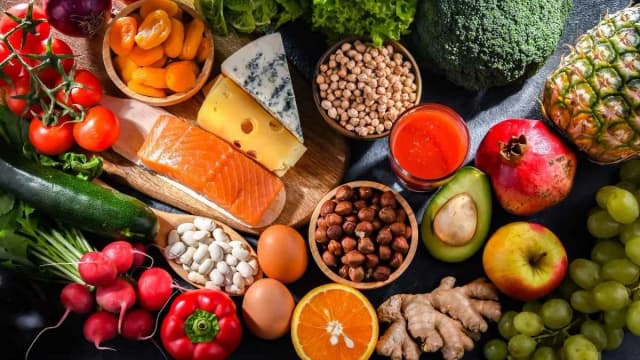
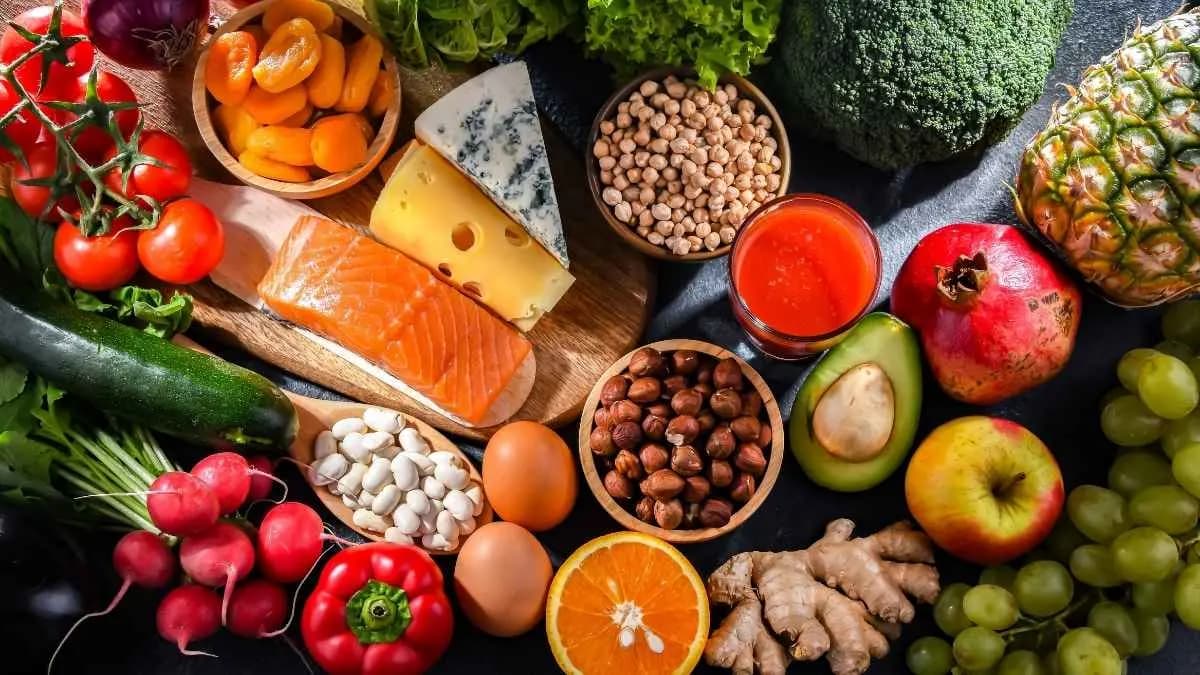
The Mediterranean diet is not one strict menu. It is a style of eating. The focus is simple: more plants, fewer processed foods, healthy fats, and moderate portions. This makes the diet flexible in almost every country.
In Greece or Italy, people use olive oil, fish, whole grains, fresh vegetables, and beans. But the principle is balance, not a rigid food list. This is why Mediterranean diet alternatives can grow anywhere in the world.
For example, in India, people can replace olive oil with mustard oil. In Latin America, avocado oil or peanut oil can work well. Whole grains like quinoa can be swapped with millet, brown rice, or corn. Fish is an important part of the diet, but regional options like sardines in Asia or river fish in Latin America can provide the same nutrients.
This flexible approach makes the Mediterranean diet local. People can enjoy familiar flavors while keeping the health benefits.
Local Swaps: From India to Latin America
Adapting the Mediterranean diet for non-Mediterranean populations is easier than it sounds. Local kitchens already have ingredients that fit the diet’s spirit.
- India: Lentils, chickpeas, and kidney beans can replace beans from Europe. Mustard oil, coconut oil, or groundnut oil can act as fat sources. Instead of salmon, Indian mackerel or rohu fish bring omega-3 benefits. Millet and brown rice can stand in for quinoa or barley.
- Asia: Tofu, edamame, and soy-based foods fit the plant-protein goal. Sesame oil can be used in small amounts, while local fish like tilapia or mackerel can replace Mediterranean species. Vegetables like bok choy, spinach, and pumpkin provide fiber and vitamins.
- Latin America: Black beans, pinto beans, and lentils are already staple proteins. Corn tortillas or brown rice are great grain swaps. Local fruits like papaya, mango, or guava can stand in for European fruits. Avocados provide the healthy fats the diet promotes.
These examples show that the Mediterranean diet local foods are not only possible but already present in many daily meals. People just need to balance portions and reduce refined sugars and fried snacks.
Breaking the Myths
Many people believe the Mediterranean diet is too expensive or foreign. That is only true if you copy European grocery lists without change. An affordable Mediterranean diet is possible when you use local options.
For instance, instead of imported olive oil, families in Asia can choose groundnut oil. In Latin America, beans and corn are cheaper than imported quinoa. In India, seasonal vegetables and lentils are already affordable staples.
The second myth is that the Mediterranean diet does not match cultural taste. In truth, spices, herbs, and cooking styles can remain the same. The goal is to cook with less oil, more vegetables, and healthier grains. People do not have to give up traditional flavors.
A Simple Meal Plan Example
Here is how one day of a Mediterranean diet Indian version can look:
- Breakfast: Vegetable upma made with millet, with a side of papaya.
- Lunch: Brown rice with dal, stir-fried seasonal vegetables, and grilled fish.
- Snack: Roasted chickpeas or peanuts with lemon.
- Dinner: Chapati with rajma curry, salad of cucumber and tomato, and a bowl of yogurt.
An Asian or Latin American version may look similar, with rice, beans, vegetables, and local fish or lean meat. The idea is not to replace every food. It is to follow the principles: eat more plants, whole grains, nuts, and healthy oils, while keeping meat and sweets in moderation.
Why It Matters Globally
Health problems like obesity, diabetes, and heart disease are rising everywhere. Diet plays an important role in prevention. Adapting the Mediterranean diet to Asian and Latin American foods offers people an easier, culturally relevant way to improve their health.
Global readers want diets that are sustainable, affordable, and realistic. The Mediterranean diet can deliver this when it feels local. Families can stay healthy without losing cultural identity. Nutritionists also say that this approach builds long-term habits, not short-term fads.
The Mediterranean diet is not about eating like Italians or Greeks. It is about eating smarter with the foods already on your table. That is why the Mediterranean diet for non-Mediterranean populations is not just possible. It may be one of the most practical diet solutions for the world.
For more global lifestyle and health insights, follow the latest stories on Logsday.
Discover simple, smart, and sustainable living ideas with Logsday Lifestyle — your guide to healthier everyday choices.
Sources
https://www.usatoday.com/story/life/health-wellness/2025/09/10/can-the-mediterranean-diet-decrease-diabetes-risk/85969509007
https://nutritionj.biomedcentral.com/articles/10.1186/s12937-024-01036-x
https://pmc.ncbi.nlm.nih.gov/articles/PMC12228395
https://hsph.harvard.edu/news/mediterranean-diet-combined-with-calorie-reduction-and-exercise-may-reduce-risk-of-type-2-diabetes-by-nearly-one-third/