
1001
Feeling tired, moody, or off? Discover common hormonal imbalance symptoms most people ignore and what your body may be trying to tell you.
Key Takeaways
- Hormones affect daily health
- Subtle symptoms matter
- Early awareness helps healing
Have you ever said or heard someone say, “I don’t feel sick, but I don’t feel normal either”?
There may be times where you are tired all day even after a full night’s sleep, your mood feels unpredictable, your weight keeps fluctuating, or your brain feels foggy. Several brush it off as stress, a busy day, or simple effects of getting old.
But what many do not realize is that these everyday struggles are quiet signals that the body gives out.
Hormones control almost everything in your body. Our energy, sleep, appetite, mood, metabolism, and even how you handle stress. When they fall out of place, the body may not scream for help. Instead, it lets you know through subtle signs that is often ignored.
Let us talk about hormonal imbalance symptoms, why they are easy to ignore, and how identifying them early can help you understand what your body truly conveys. As you read further, you may identify with a few of these signs. This creates an awareness to take necessary actions.
Also Read - Mental Decluttering Techniques That Help You Feel Calm, Clear, and Back in Control
What Is Hormonal Imbalance?
In the simplest of words, hormones are chemical messengers produced by glands present in your body. Glands like the thyroid, ovaries, adrenal glands, pancreas and testes. They travel through your bloodstream and instructs your organs on what is to be done and when.
A hormonal imbalance takes place when there is too much or too little of a particular hormone in the body. Imbalance of even small quantities can lead to noticeable effects.
Hormonal imbalance does not always show up as a critical health condition. Most of the time, it looks like everyday discomfort which is often ignored and accepted.
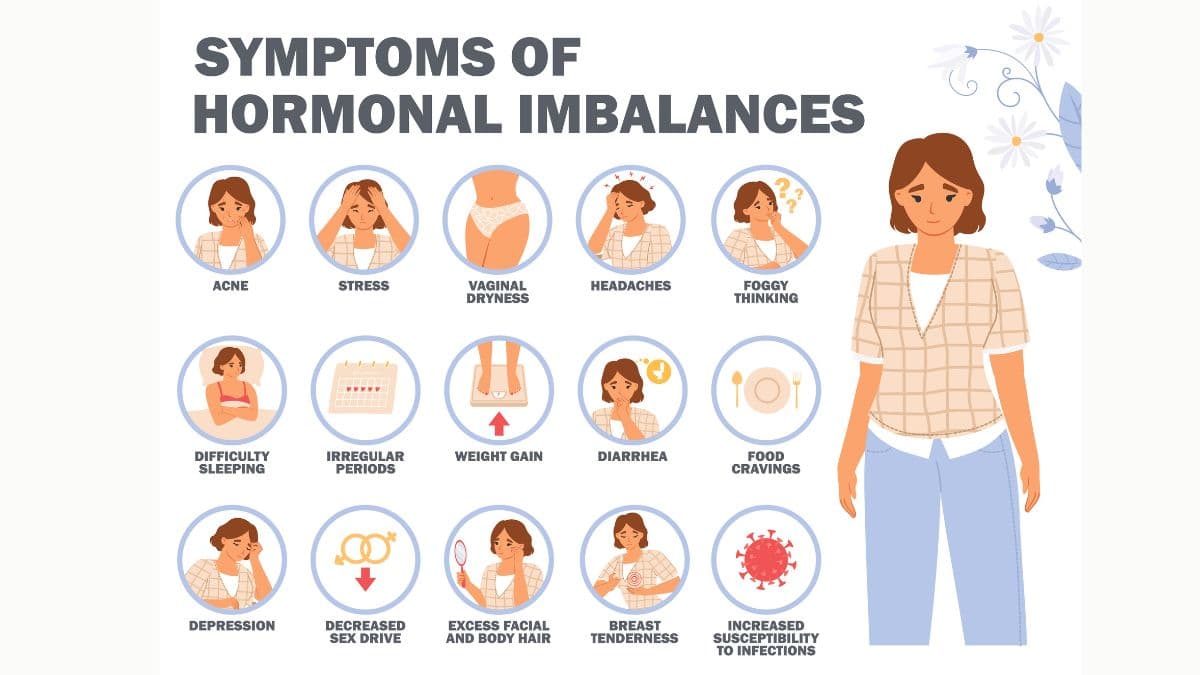
Let’s look at the hormonal imbalance symptoms, one by one.
1. Constant Fatigue
Even after a hearty full night’s sleep, do you wake up tired? Do afternoons make you sleepy no matter how much coffee you drink?
Chronic fatigue is one of the most common and ignored indications of hormonal imbalance. It’s often linked to:
- Thyroid hormone issues
- Cortisol imbalance
- Low estrogen or testosterone
Several assume they’re just overworked or the old age is come through. Despite rest not helping with your energy restoration, hormones may be involved.
2. Mood Swings
Do you often feel unusually anxious, emotional or short-tempered? One moment you seem fine, the next you are overwhelmed.
Hormones like estrogen, progesterone, cortisol, and serotonin are known to affect mood. When there are hormonal fluctuations, emotional balance becomes difficult.
This is one of the hormonal imbalance symptoms because mood changes are often blamed on stress, relationship issues, or personality as a whole but not the real culprit, biology.
Also Read - Why Minds Feel Overloaded—Know the Real Causes
3. Unusual Weight Gain or Weight Loss
Have you noticed changes in your weight without any drastic change in your eating habits or lifestyle?
Hormones have a major impact on your metabolism, fat storage, and appetite. Imbalances in insulin levels, thyroid hormones, or cortisol leads to:
- Weight gain around the belly
- Drastic weight loss
- Difficulty losing weight
It is not your actions that is responsible for this change. It is probably your hormones are working against you.
4. Insomnia
Do you have trouble falling asleep or wake up at 3 a.m. and stare at the ceiling? Sleep issues are classic hormonal imbalance symptoms. Melatonin, cortisol, estrogen, and progesterone all have an impact on sleep cycles.
When cortisol levels stay high at night or melatonin production is low, your body struggles to relax no matter how exhausted you are.
5. Brain Fog
Ever opened the fridge door and forgot what you need? Do you struggle to focus on tasks that used to feel like a breeze? Brain fog can seem a major issue, but it is common when there are hormone issues in men and women. Low thyroid hormones, estrogen fluctuations, or high cortisol can affect memory and clarity.
This symptom is often ignored because it doesn’t feel “serious” — until it starts affecting work, confidence, and daily life.
6. Changes in Hair and Skin
Your skin and hair can tell you a lot about your internal health problems.
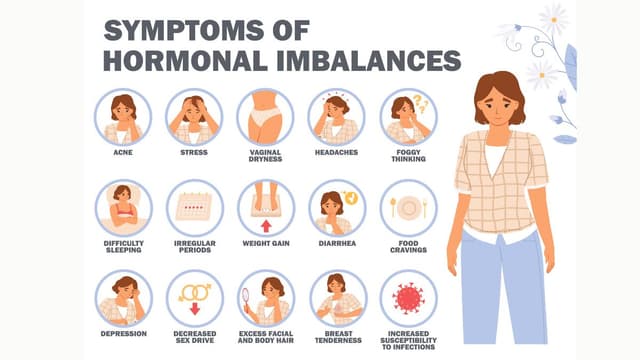
Hormonal imbalance may show up as:
- Adult acne
- Dry or thinning hair
- Hair loss or excessive hair growth
- Dull or aging skin
Because skin issues are visible, people often use external skin care products instead of knowing the reason behind such changes. Skin and hair changes are important hormonal imbalance symptoms especially when they appear suddenly.
Also Read - The End of Motivation Culture: Progress Without Pressure
7. Digestive Issues and Bloating
If you are always bloated, constipated, or uncomfortable after meals, hormones may be the culprit. Estrogen and progesterone influence your body’s digestion and gut movement. Cortisol also affects how your body processes the food during stress.
Digestive discomfort is often normalized by saying “everyone has stomach issues these days” but hidden problems may signal imbalance.
Why Are These Symptoms Easy to Ignore?
Often signs of hormone imbalance go unnoticed is because they don’t happen overnight. They tip-toe and creep in. You tend to adjust with it and you normalize discomfort.
The fast-paced life we lead teaches us to hustle through exhaustion, stress, and discomfort despite our bodies clearly asking for support.
What Can You Do If These Symptoms Sound Familiar?
We are not asking you to self-diagnose or panic after reading the above. Awareness is the goal.
You can start by:
- Noticing patterns in your energy, mood, and sleep
- Tracking symptoms instead of ignoring them
- Talking to your healthcare provider
- Opting for hormone testing if symptoms persist
Small lifestyle changes such as getting better sleep, enrolling for stress management lessons, consuming balanced meals, and exercising can also support hormonal health.
What Experts Say About Hormonal Imbalance
Many health experts emphasize that subtle symptoms shouldn’t be ignored, especially when they affect daily life.
Dr. Sara Gottfried, MD, a Harvard-trained physician and hormone expert, explains that hormonal imbalances often show up as everyday symptoms long before a diagnosis is made. She encourages people to listen to early signals instead of waiting for things to worsen.
Functional medicine doctor Dr. Mark Hyman points out that fatigue, brain fog, and weight gain are often signs of deeper hormonal and metabolic issues, not personal failure. He stresses that treating the root cause leads to real healing.
Dr. Christiane Northrup, MD highlights that hormonal symptoms are often the body’s way of asking for rest, nourishment, and emotional balance. She encourages people not to silence symptoms with quick fixes, but to understand what the body is trying to communicate.
Listen to What Your Body Is Telling You
Your body is speaking to you every day through the energy levels, mood, sleep, digestion, and your emotions. When something feels off for an extended time, it’s worth paying attention.
The truth is, hormonal imbalance symptoms are often the body’s early warning signs. They are not a weakness, and they are not something you have to live with forever. Listening early can help you feel better sooner and feel more like yourself again.
Hormonal imbalance doesn’t have to be your new normal. Recognizing the symptoms early can help you take better control of your health and well-being. For more such content follow Logsday.
Also Read - How Inner Peace Became a Status Symbol
Sources
https://www.medicalnewstoday.com/articles/321486
https://my.clevelandclinic.org/health/diseases/22673-hormonal-imbalance
https://www.uclahealth.org/news/article/7-signs-hormonal-imbalance-and-what-do-about-it
https://healthy.kaiserpermanente.org/health-wellness/healtharticle.hormonal-imbalance-symptoms