

577
60 is not the end of youth. It is the beginning of a wiser, calmer, and often more fulfilled stage of life. Many people think that getting old means slowing down. It doesn’t have to. With the right habits you can feel strong, sharp and happy each day. This healthy aging after 60 guide will help you understand your body and your mind so you can take care of them in simple ways.
Think of your body as a car. It may not perform like it used to but with good care it can run smoothly for many more years. Our daily choices, however small, can make a big difference. Eating well, moving your body, sleeping well, and staying connected will help you enjoy life more.
You might notice some changes, and that's OK. But growing old doesn't mean losing control. It means adapting intelligently. This article will walk you through everything you need to know in very easy steps. You’ll learn how to stay active, eat right, and keep your mind sharp.
Let us start this journey with certainty and clarity.
What Changes After 60… Understanding Your Body and Mind
As you age, your body will naturally change. These changes are not problems, they are just signals that your body needs a little more care.
Muscles degenerate over time. This is known as muscle loss. You might not feel as strong as you used to. Bones also get more brittle and the risk of fractures rises. This is why many experts talk about the necessity of a senior wellness guide to maintain strength and stability.
Your brain changes too. Memory may be a bit slower, and learning new things may take longer. The good news is that your brain can still grow and change. This is known as brain plasticity.
Here are a few common changes:
- Muscle strength is gradually lost
- Bone density reduction
- Slowing down of metabolism
- Memory and concentration may alter
- Changes in sleep regularity
If you are aware of these changes, you can act early. You can build your strength, support your bones and keep your mind sharp. This healthy aging after 60 guide is about simple habits that work in real life. Getting old is natural. How you get old is up to you.
Healthy aging after 60 is not about adding years to life but adding life to years, and many experts are behind this concept. As Andrew Weil’s Healthy Aging insights point out, “it is better to give life to years than years to life. But longevity expert advice stresses that simple habits, like staying active and socially connected, can do a lot to improve your well-being after age 60, too.
Also read: Can Seed Cycling Actually Balance Your Hormones Naturally?
Strength Training for Seniors: Build Muscle, Stay Independent
Strength training is one of the best ways to stay strong after 60. Many people think lifting weights is only for young people, but that is not true. Even light strength exercises can make a big difference.
Muscle loss can affect daily activities like walking, climbing stairs, or carrying groceries. But regular exercise for seniors can help rebuild strength and improve balance.
You do not need a gym. You can start at home. Use light dumbbells, resistance bands, or even your body weight.
Simple exercises include:
- Chair squats
![[image]](https://admin.logsday.com/storage/media/Chair_squats_2026-04-28_16-04-12_qNGGhokt.jpg)
Chair squats are one of the safest and easiest ways to build strength in the lower body. Sit on a chair and then slowly stand up without using your hands if possible. Then sit down again, in a measured manner. This tones your thighs and hips which are used for walking and climbing stairs. Start with 8-10 reps and increase slowly. This activity enhances mobility and independence in everyday life.
- Wall push-ups
![[image]](https://admin.logsday.com/storage/media/Wall_Push_2026-04-28_16-04-43_ioHM5CAj.jpg)
Wall push-ups are gentle on the joints and great for building upper body strength. Stand facing a wall, place your hands on it, and slowly push your body toward and away from the wall. This helps strengthen your arms, shoulders, and chest. It is perfect for beginners. Doing this regularly improves your ability to lift and carry objects safely.
- Light dumbbell curls
![[image]](https://admin.logsday.com/storage/media/Light_dumbbell_curls_2026-04-28_16-06-45_SwUeSEeb.jpg)
Light dumbbells are great for toning your arms. Hold a light weight in each hand and slowly bend your elbows, bringing the weights up toward your shoulders. Then ease them down. This exercise helps to increase the strength of your arms so that it is easier to perform daily tasks such as lifting bags or cooking. Use weights that are comfortable and safe for you to use.
- Resistance band pulls
![[image]](https://admin.logsday.com/storage/media/Resistance_band_pulls_2026-04-28_16-27-08_DagTsdRj.jpg)
Resistance bands are super effective and easy to use. Hold the band with both hands and gently pull apart. This will develop your back and shoulders. It also helps with posture, which is a big deal as you age. Good posture gives you confidence in your movement and less pain.
Try to do strength exercises at least two to three times a week. This is a significant part of any senior fitness plan. Physician Frank Lipman says notes on daily activities, everyday movements and chores can help keep the body “nimble and strong,” reinforcing that consistent physical engagement is key. Even the older wisdoms remind us of this. As Edward Stanley famously highlighted, if you do not make time for exercise you will have to make time for illness.
Balance and Fall Prevention… Stay Steady and Safe
Falls are one of the greatest dangers after age 60, but they can be avoided by simple measures. It is very important to do balance exercises to keep you safe and confident.
Muscles lose strength and reflexes slow, so balance might not be as good as it used to be. But you can get better at it with consistent practice.
Some simple balance exercises are:
Standing on one leg
![[image]](https://admin.logsday.com/storage/media/Standing_on_One_Leg_2026-04-29_06-12-41_tLwh8G34.jpg)
Find a chair or wall to hold onto and lift one foot off the floor. Hold for a few seconds and then switch legs. This simple movement works on stabilizing muscles and coordination. You will become more confident standing and walking over time.
Heel-to-toe walking
![[image]](https://admin.logsday.com/storage/media/Heel-to-toe_walking_2026-04-29_06-14-13_IOtBs4U1.jpg)
Walk in a straight line, putting the heel of one foot directly in front of the toes of the other. This enhances coordination and balance. It may be hard at first, but the more you practice, the easier it becomes.
Tai chi or gentle yoga
![[image]](https://admin.logsday.com/storage/media/Tai_chi_or_gentle_yoga_2026-04-29_06-16-28_kSIvOt7s.jpg)
They help with flexibility and balance, using slow and controlled movements. They also help to relax the mind and reduce stress. Regular practice will help improve your awareness of your body, and reduce the risk of falling.
Side leg raises
![[image]](https://admin.logsday.com/storage/media/Side_leg_raises_2026-04-29_06-18-54_fYqwv8AL.jpg)
Stand upright and lift one leg slowly out to the side. This makes your hip muscles stronger, important for your balance. Strong hips help you keep your balance when you walk and turn.
Make your home safer too. These active aging tips help you stay steady and avoid accidents. This healthy aging after 60 guide supports safe and confident movement.
Also read: Why Does Your Blood Sugar Crash and How Can You Stop It?
Nutrition After 60: Eat Smart, Feel Strong
Food becomes even more important as you age. Your body needs the right nutrients to stay strong and healthy.
After 60, your body may need fewer calories but more nutrients. This is why nutrition after 60 should focus on quality.
Key nutrients to focus on:
Protein: Protein helps with tissue repair and supports muscle strength. After 60, your body needs more protein to help prevent loss of muscle. Incorporate foods such as eggs, fish, chicken, beans and dairy in your diet. Spread your protein intake evenly throughout the day to improve absorption. It helps keep your body strong and active.
Calcium: Calcium is important for strong bones and teeth. As you age, and your bone density decreases, calcium becomes even more important. Include dairy products, leafy greens and fortified foods in your diet. This lowers the risk of fractures and aids in long term bone health.
Vitamin B12: Vitamin B12 helps with brain function and nerve health. Many older adults have trouble absorbing it. Eggs, dairy, and fortified cereals, for example. B12 helps memory and energy levels, both of which are important in day to day life
Fiber: Fiber helps digestion and prevents constipation. It also helps to regulate blood sugar and cholesterol levels. Eat fruits, vegetables, whole grains and pulses. Eating a diet high in fiber helps your digestive system function properly and boosts overall health.
Healthy eating supports energy, strength, and overall wellness. This healthy aging after 60 guide highlights the importance of simple, nutritious meals.
Brain Health and Mental Sharpness… Keep Your Mind Active
Your brain needs exercise just like your body does. Keeping your mind active can boost memory, concentration and mood. Brain health aging is all about keeping your brain active. There are many simple ways to do that.
Try activities such as:
- Reading books
- Puzzle doing
- Acquire new skills
- Memory games
- Writing, journaling
Social interaction is also good for brain. Talking with friends and family keeps your mind active and reduces loneliness. Stress can affect your memory, so try relaxation techniques such as deep breathing or meditation. A good night’s sleep is also good for the brain. A good night's sleep helps your brain process and store information better.
This healthy aging after 60 guide will encourage you to stay curious. Keep learning and exploring new things.
Sleep Changes After 60… Rest Better, Feel Better
Sleep patterns often change after 60. You may wake up more often or sleep for shorter periods. This is normal, but good sleep is still very important.
Poor sleep can affect mood, memory, and energy levels. That is why improving sleep habits is essential.
Tips for better sleep:
- Go to bed at the same time every day
- Avoid caffeine in the evening
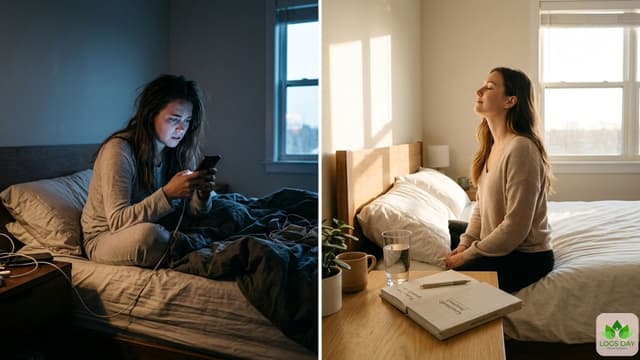
- Keep your bedroom quiet and dark
- Limit screen time before bed
Light physical activity during the day can also help you sleep better at night. Avoid long daytime naps, as they can disturb night sleep. Sleep is not just rest; it is repair. Your body heals and refreshes during sleep.
This healthy aging after 60 guide highlights that good sleep supports both physical and mental health.
Social Connection… Stay Connected, Stay Happy
Human connection is very important at every age. After 60, it becomes even more important.
Loneliness can affect both mental and physical health. Staying connected helps you feel happier and more secure.
Ways to stay connected:
- Spend time with family
- Join community groups
- Volunteer
- Attend local events
Even small interactions can make a big difference. A simple conversation can lift your mood. Strong relationships also support emotional health. You feel supported and valued.
These are important active aging tips that help improve quality of life. This healthy aging after 60 guide says that you are not alone. Staying connected keeps life meaningful.
Preventive Screenings… Stay Ahead of Health Issues
Regular health check-ups are very important after 60. They help detect problems early and keep you healthy.
Common screenings include:
- Blood pressure checks
- Cholesterol tests
- Bone density scans
- Cancer screenings
Talk to your doctor about what tests you need and how often. Preventive care helps avoid serious health issues. It also gives peace of mind. Do not ignore small symptoms. Early action can make treatment easier. This is an important part of a good senior wellness guide. Taking care of your health today ensures a better tomorrow.
Medication Management… Stay Safe and Organized
Many people take multiple medications after 60. Managing them properly is very important. Incorrect use can lead to side effects or health risks. Always follow your doctor’s instructions.
Simple tips:
- Use a pill organizer
- Keep a list of all medicines
- Take medicines at the same time daily
- Do not skip doses
Always inform your doctor about all medications you take, including supplements. Avoid self-medication. Even small changes can affect your health.
Purpose and Meaning… Live with Joy and Direction
Life after 60 can be very meaningful. Having a purpose keeps you motivated and happy.
Purpose can come from many things:
- Hobbies
- Volunteering
- Learning new skills
- Helping others
Doing what you love brings joy and satisfaction. It gives your day a positive direction. Stay active in things that matter to you. It improves mental health and overall well-being.
A meaningful life is a healthy life. This is the crux of this guide to healthy aging after 60.
Also read: Type 2 Diabetes Prevention: 15 Lifestyle Changes That Lower Your Risk
Your Next Chapter Starts Now
Aging is not about slowing down. It is about living smarter. Focus on small daily habits; move more, eat better, sleep well, and stay connected.
This healthy aging after 60 guide shows that simple steps can bring big results. Your best years can still be ahead.
Visit Logsday today and discover ideas that make every day better.
Sources
- https://www.who.int/publications/b/56512
- https://www.cdc.gov/healthy-aging/index.html
- https://www.nia.nih.gov/health/healthy-aging
- https://www.livingandhealth.com/blog/healthy-aging-guide
- https://www.health.harvard.edu/healthy-aging-and-longevity/longevity-lifestyle-strategies-for-living-a-healthy-long-life