
863
Discover the difference between prebiotics and postbiotics and learn what’s best for your gut health optimization in a simple, friendly guide.
Hey you,
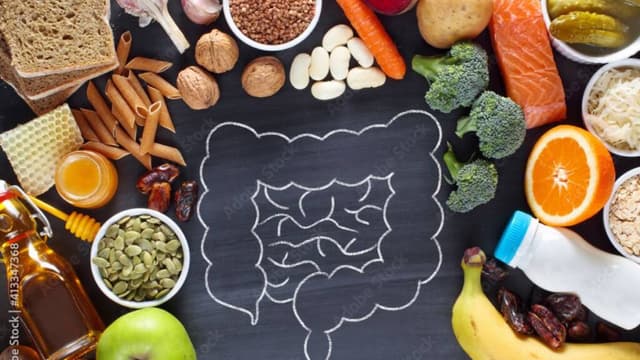
Let’s talk about your gut for a moment. Yes—your gut. That part of your body that quietly handles digestion but also secretly manages your energy, your immunity, and even your mood. Crazy, right?
Now, I know we’ve all heard about probiotics by now. They’re the friendly bacteria that hang out in yogurt and fermented foods. But if you’ve been keeping up with health trends in 2025, there are two new gut heroes that keep showing up: prebiotics and postbiotics. I’ll admit, I used to mix them up all the time. They sound alike and both claim to be great for gut health. So, I decided to get to the bottom of it—especially since I’ve been on a mission to figure out what works best for my own gut health optimization. Along the way, I realized that understanding the difference between these "biotics" is actually one of the easy ways to improve your gut without overcomplicating your wellness routine.
Ready to join me on this journey?
So, What’s the Deal with Gut Health?
Before we jump into the details, let’s take a step back. Why is gut health optimization such a big deal now?
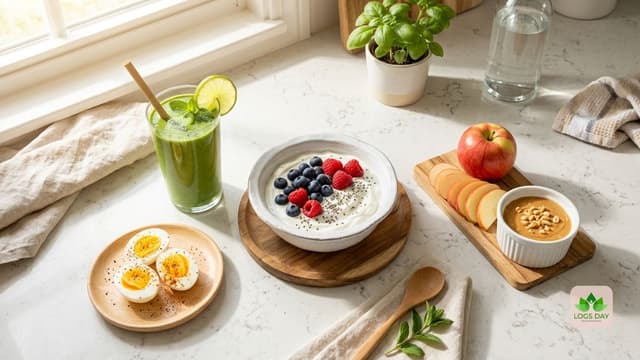
To put it simply, your gut is home to trillions of microbes—most of which are good for you. They do so much more than help digest food. They boost your immune system, regulate your hormones, affect your mood, and even support brain function. Incorporating gut-friendly habits into your morning routines for optimal health—like staying hydrated, eating fiber-rich foods, or taking a quality probiotic—can set the tone for a balanced day. When your gut is happy, your whole body feels balanced. But when it’s out of whack? Oh boy—bloating, fatigue, bad sleep, irritability… sound familiar?
And in today’s world—stressful work schedules, fast food, antibiotics, environmental toxins—your gut needs all the help it can get. That’s where prebiotics and postbiotics come in.
Prebiotics: The Gut’s Favorite Food
When I first heard the term “prebiotics,” I imagined some fancy supplement in a sleek bottle. Turns out, it’s not that complicated at all.
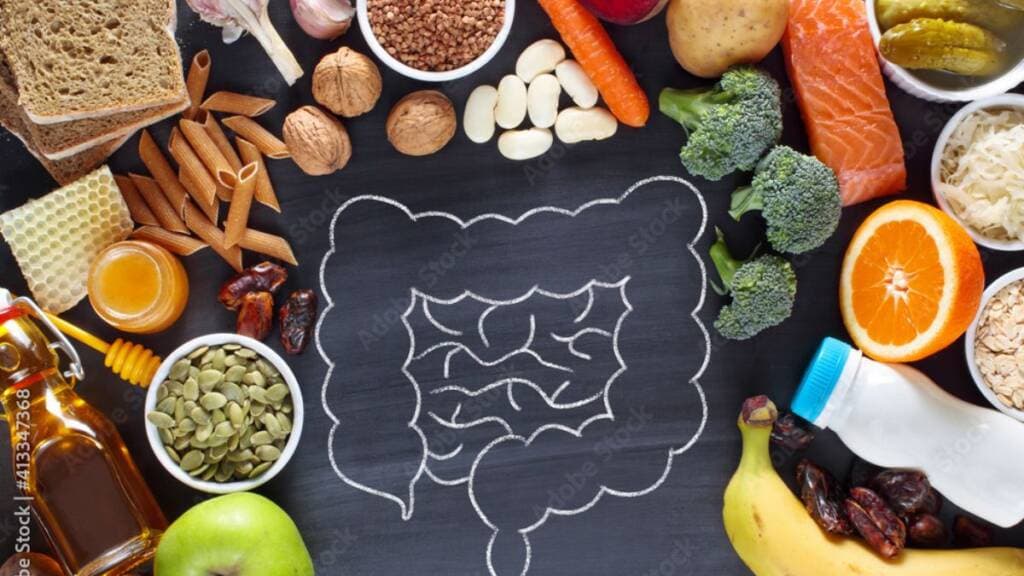
Prebiotics are types of fiber that your body can’t digest, but your gut bacteria love them. When you eat foods rich in prebiotics, you’re basically feeding the good bacteria in your gut, giving them the fuel they need to grow, multiply, and protect you from the bad guys.
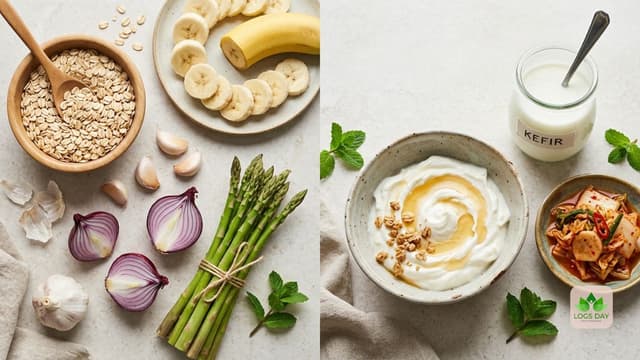
I found out that foods like bananas, garlic, onions, and oats are naturally packed with prebiotics. And guess what? I was already eating many of them without knowing the science behind it. Once I understood their benefits, I started being more intentional about adding them to my meals. And no joke, within a week or two, I noticed less bloating and smoother digestion. It felt like my stomach was saying “thank you.”
Postbiotics: The Quiet Powerhouse in Your Gut
Now, postbiotics? That was a new one for me. It took me a while to wrap my head around it.
So here’s the easiest way to understand it. Imagine you feed your gut bacteria with prebiotics. They munch on it, go about their business, and in the process, they create something new. That “something” is postbiotics—compounds like short-chain fatty acids, enzymes, and peptides that actually do the work inside your body.
Unlike probiotics, which are live bacteria that sometimes don’t survive the journey to your gut, postbiotics are more stable. They don’t need to be alive to be effective. And in 2025, that makes them a hot topic in health circles. They’re easier to include in supplements and even in foods, and they offer direct benefits—like calming inflammation, strengthening your gut lining, and supporting your immune system.
When I tried a postbiotic supplement after a particularly stressful week, I didn’t expect much. But I was pleasantly surprised. I again felt less bloated, more energetic, and even my sleep felt deeper. It wasn’t dramatic, but it was enough to make me believe this stuff works.
What’s the Real Difference?
If you’re wondering whether you should pick prebiotics or postbiotics, here’s how I look at it.
Prebiotics are like the good food you give to your gut bacteria. Think of it as tending to a garden—you water it, nourish it, and give it sunlight. That’s what prebiotics do. They help the good bacteria thrive.
Postbiotics, on the other hand, are the gifts that come after you’ve done all the right things. They’re the flowers and fruits that bloom once your garden is healthy. They’re the direct result of well-fed, well-functioning gut bacteria.
So really, they’re not in competition with each other. They’re part of the same process—just different stages. And both are equally important for long-term gut health optimization.
What Worked for Me
I’ve tried focusing only on prebiotics, and I’ve tried adding postbiotics. The truth? Using both together gave me the best results.
I started my mornings with oats topped with bananas. Lunches often included raw garlic in salad dressings and fiber-packed greens. And once in a while, especially when I felt off-balance, I added a postbiotic supplement. It wasn’t about following a strict plan—it was about paying attention to how my body reacted and making gentle changes.
And honestly, once I got the hang of it, it felt more like self-care than some “health regime.”
So, What’s Best for You in 2025?
The answer depends on your lifestyle and your current gut health.
If you love working with food and enjoy cooking, adding more prebiotic-rich ingredients to your meals might be the easiest and most natural way to support your gut. If your diet already includes a good amount of fiber, you’re off to a great start.
If you’re someone who experiences gut sensitivity or finds probiotics hard to tolerate, postbiotics might be worth exploring. They don’t cause bloating and are generally easier to digest. They’re also super convenient if you’re always on the go.
But here’s the good news—you don’t have to choose. Prebiotics and postbiotics can work together beautifully. They’re not rivals. They’re teammates working behind the scenes to help you feel your best.
A Final Word from Me
Your gut is talking to you all the time. Whether it’s a gurgle, a cramp, or that annoying bloat after lunch—it’s all feedback. Listen to it.
When I started being more mindful about what I fed my gut, I didn’t just feel better physically—I felt more connected to my body. And that’s a powerful thing.
So, if you’re thinking about gut health optimization in 2025, start with small changes. Add that extra banana to your smoothie. Try a simple postbiotic supplement when life feels chaotic. Don’t stress about getting everything perfect—your gut doesn’t need perfection. It needs consistency, kindness, and a bit of curiosity.