
668
October 4, 2025— Flu season is here, and staying healthy feels more important than ever. Every winter, cold and flu prevention becomes a priority for millions worldwide. From washing hands to eating right, simple actions can protect your health. Experts recommend using flu season wellness hacks to strengthen immunity and reduce the chance of getting sick. Staying informed about flu trends and local outbreaks can help you take precautions early. Avoiding crowded spaces when flu cases rise is also effective. Seasonal changes can weaken the immune system, making these strategies even more critical. Making small lifestyle adjustments now can prevent serious illness later.
This Is How Wellness Editors Banish Colds—And You Can Too
Wellness editors worldwide follow a structured routine to avoid seasonal illnesses. One key tip is to maintain healthy habits for winter. This includes balanced meals, regular exercise, and enough sleep. “Flu vaccines may not block all infections, but they do a really good job of preventing severe illness and hospitalization,” says Dr. Sean O’Leary, pediatric infectious disease specialist and member of the American Academy of Pediatrics.
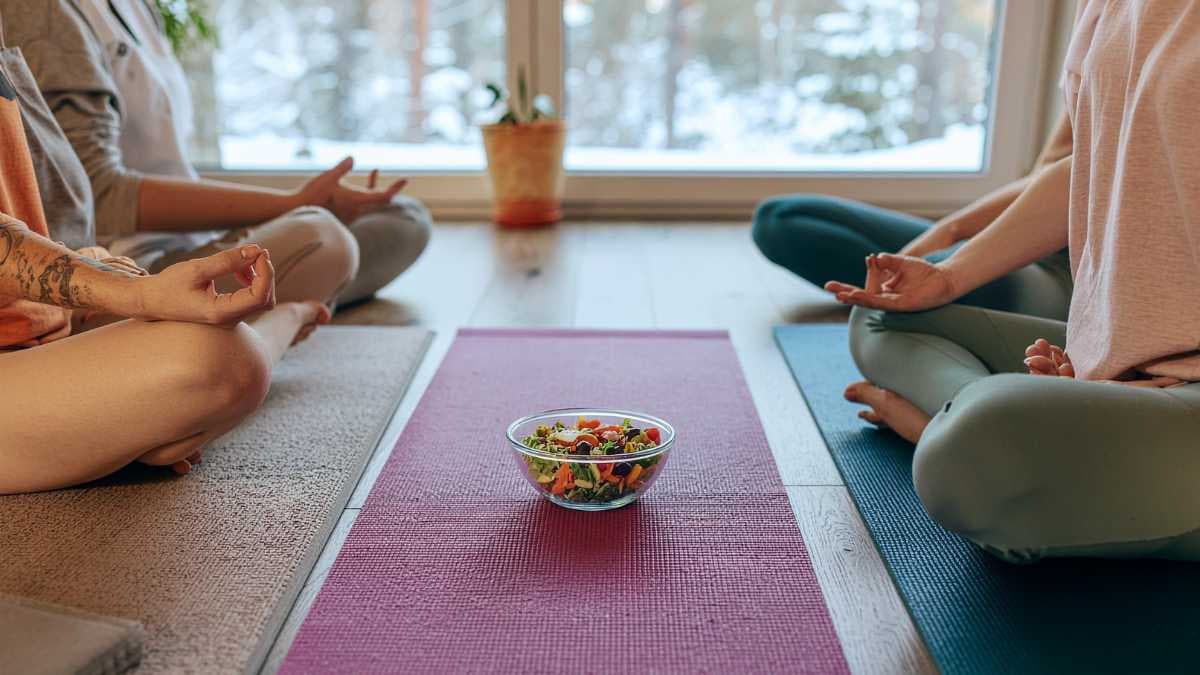
They also prioritize hydration, manage stress daily, and practice yoga for mental health to prevent sickness. Editors often include immunity-boosting foods in every meal, not just during peak flu season. Tracking their wellness routines helps maintain consistency and ensures that preventive measures become second nature. Using natural remedies alongside conventional hygiene practices can enhance overall resilience against viruses.
Also read: Why Begin’s Growing up Prebiotics Are a Breakthrough for Toddlers
1. Boost Your Immunity with Nutrition

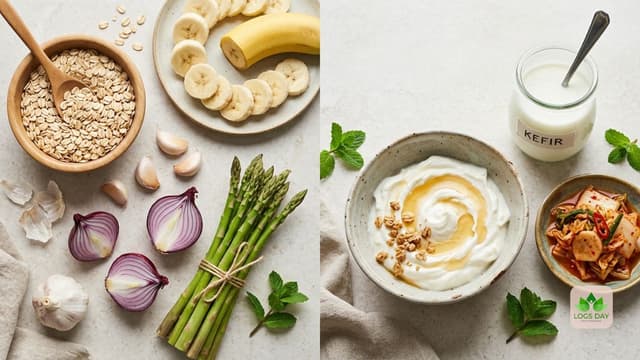
Eating immunity-boosting foods is one of the most effective flu season tips. Citrus fruits, garlic, spinach, and yogurt provide essential vitamins that support your immune system. Consistent consumption can help reduce susceptibility to colds and flu. Add a variety of vegetables and whole grains to maintain flu season nutrition at its best. Practicing healthy eating habits, such as avoiding processed foods high in sugar, can further strengthen immunity. Drink plenty of water to help flush toxins and improve nutrient absorption. Including colorful fruits and vegetables ensures you get diverse antioxidants. Regularly adjusting your diet based on seasonal needs strengthens the body’s defenses.
2. Stay Active, Even Indoors

Regular physical activity enhances immune response. Even indoor workouts, yoga, or short walks can strengthen the body against viruses. Cold and flu prevention is easier when the body is in peak condition. Short, daily exercise sessions can be more beneficial than occasional intense workouts. Exercise also reduces stress, which helps maintain a stronger immune system. Incorporating flexibility and strength training supports overall physical resilience. Staying active indoors prevents winter weight gain, which can impact immunity. Simple movement routines can be done without equipment, making them accessible to everyone.
3. Prioritize Sleep Every Night

Sleep affects immunity more than most people realize. Adults need 7–9 hours to allow the body to repair and fight infections. Establishing a wellness routine for flu prevention includes consistent sleep schedules and reducing screen time before bed. Quality sleep regulates hormones that influence immune system function. Lack of sleep increases vulnerability to infections and prolongs recovery. Create a relaxing bedtime routine to signal the body it’s time to rest. Avoid caffeine late in the day to improve sleep quality. Comfortable, quiet sleep environments enhance overall wellness during flu season.
4. Wash Hands and Practice Hygiene

Proper hand hygiene is simple but powerful. Wash hands regularly, avoid touching the face, and sanitize frequently used items. Staying healthy in winter requires mindfulness about germs in public spaces. Using tissues and disposing of them properly is also a key cold and flu prevention method. Sanitizing phones, keyboards, and doorknobs reduces viral exposure. Covering your mouth when sneezing or coughing prevents spreading illness. Avoiding close contact with sick individuals minimizes the risk of infection. Consistent hygiene routines build long-term protection against multiple seasonal illnesses.
5. Reduce Stress to Strengthen Immunity

Stress can weaken the immune system, making colds more likely. Mindfulness, meditation, and spending time with pets or loved ones can improve mental health. According to Mental Health Foundation research, pets provide companionship, reduce anxiety, and encourage daily routines. This indirectly supports immune system support and overall wellness.
Chronic stress increases inflammation and can impair the body’s response to infections. Taking short breaks during the day to relax improves focus and resilience. Journaling or breathing exercises are effective daily tools. Social support from friends and family contributes to emotional well-being, which enhances immunity.
Also read: Can You Live a Full Life with IBD? What Life Expectancy Looks Like
6. Consider Supplements When Needed

While a balanced diet is primary, supplements can help fill nutritional gaps. Vitamin D, zinc, and probiotics are popular for immune system support during winter. However, always consult a healthcare professional before starting new supplements. Supplementing can be particularly important for individuals with dietary restrictions. Research shows that adequate vitamin D reduces respiratory infection risk. Zinc supports cellular immunity and accelerates recovery from cold symptoms. Probiotics help maintain gut health, which is closely associated with immune function. Supplements should complement, not replace, a healthy lifestyle.
7. Stay Informed and Vaccinated

Flu shots are one of the best preventive measures. Keep updated on local vaccination programs and guidelines. Following flu season tips like vaccination, avoiding crowded spaces when sick, and practicing hygiene completes the wellness defense. Staying informed about circulating flu strains helps plan preventive measures. Encourage family members, especially children and older adults, to get vaccinated. Understanding regional health alerts can guide personal precautions. Combining vaccination with lifestyle habits creates a strong barrier against flu season illness.
Expert Advice
Dr. William Schaffner, an infectious disease specialist and professor at Vanderbilt University Medical Center, emphasizes the importance of flu vaccination:
“A flu vaccine only protects against influenza (flu), not the coronavirus. And while its effectiveness varies from year to year, people vaccinated against flu don’t get as sick, avoiding pneumonia, hospitalization and death.”
He also notes that building consistent daily habits is more effective than sporadic measures. Education on cold and flu prevention empowers communities. Monitoring symptoms early allows faster response and reduces disease spread. Encouraging routine flu prevention discussions can improve public health outcomes.
The Crux
Flu season doesn’t have to be a struggle. By following these 7 flu season wellness hacks, you can stay strong, prevent illness, and enjoy a healthier winter. Small steps like eating immunity-boosting foods, practicing good hygiene, sleeping well, and managing stress create a resilient immune system. Staying proactive and consistent ensures you avoid getting sick. Combining supplements, vaccination, and informed habits adds multiple layers of protection. Share these tips with your family and friends to promote a healthier winter for everyone.
Explore more wellness tips and healthy habits for winter at Logsday Lifestyle to stay healthy all year long.
Also read: Is Melatonin Hard on the Liver? An Evidence-Based Safety Review
Sources
https://en.wikipedia.org/wiki/Prevention_of_influenza
https://www.who.int/news-room/fact-sheets/detail/influenza-%28seasonal%29
https://www.wral.com/story/its-time-get-a-flu-vaccination-heres-who-needs-one-and-why/22182090