
1287
Simple guide on building credit score for self-employed. Practical steps to improve credit, manage finances, and build strong creditworthiness.
Key Takeaways:
- Smart tips for building credit as a self-employed professional
- Smart habits to boost your credit score
- Common mistakes to avoid when managing credit
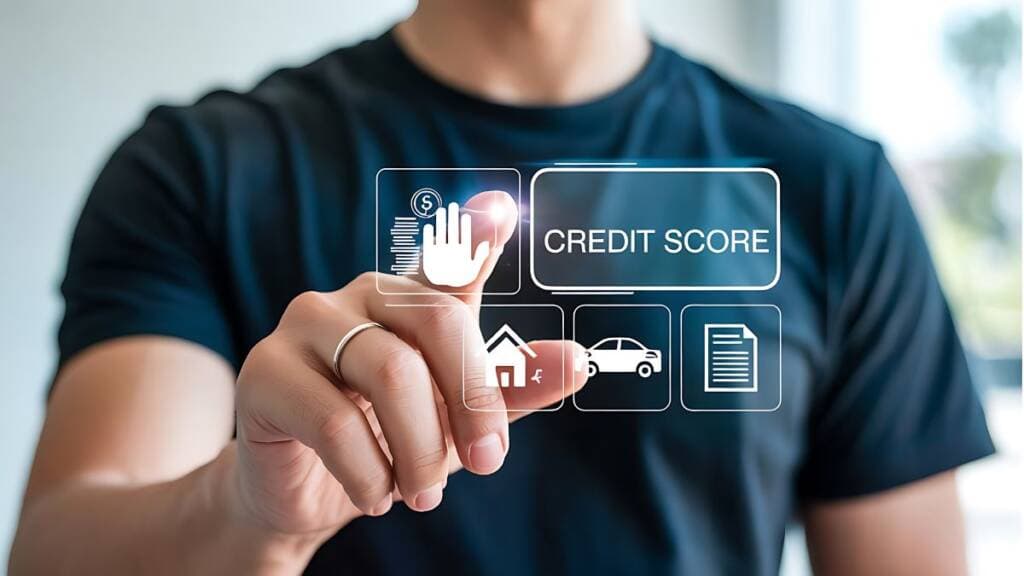
If you’re self-employed like I am, you’ve probably faced this too; applying for a loan or credit card and being asked for your credit score, only to feel stuck not knowing where to start. I remember sitting at my desk, wondering, “Does being self-employed make building a credit score harder?”
Well, I’ve walked that road, and I’m here to make sure you don’t feel lost like I did.
Let’s take this journey together, because building credit score for self-employed people is possible, and I’m living proof of that!
Why Credit Score Matters More Than We Think
When I started working for myself, I thought, “I don’t need a credit score—I don’t plan to take a loan.” But oh, how wrong I was!
When I wanted to rent a better apartment and later buy a laptop on EMI, guess what? My credit score came into play.
As a self-employed person, we don’t have fixed salaries. Lenders often see us as risky, even if we’re earning well. That’s why a strong personal credit score is like our key to opportunities, whether it’s for personal needs, business funding, or even just opening a premium account.
With AI now playing a bigger role in finance, many lenders use automated tools to assess your creditworthiness. These systems often analyze your credit score first, even before a human looks at your profile. That makes having a healthy score more important than ever. Moreover, with advanced online fraud detection tools in place, lenders are extra careful about who they approve. A solid credit score helps show that you're trustworthy, not just to banks but also to fraud detection systems looking for red flags.
And trust me, once I realized this, I wished someone had told me earlier!
Is Building Credit Score for Self-Employed Really Tough?
Yes, it felt tough at first. The ups and downs of freelance income, the irregular payments; it made me think I could never build a good score.
I remember asking myself, “Do I need a regular job just for a credit score?” But the answer is no.
With a little planning and consistency, I slowly saw my score improve.
I want you to know. it’s not about being perfect. It’s about being steady. You don’t need a high-paying job; you need smart money habits. That’s something I learned the hard way.
My First Step: Opening a Personal Credit Card (and Using It Right)
I was scared of credit cards. I thought they’d drown me in debt. But using a personal credit card smartly became my first step toward a good credit score.
I started with a low-limit card and used it for simple things; groceries, fuel, and online shopping. I always paid the full bill before the due date. Slowly, I built a payment history.
Looking back, I wish someone had told me, “Hey, credit cards are not scary if you control them, not the other way around!”
So, if you’re like me, start small, spend wisely, and pay on time. It really works!
Keeping Business and Personal Finances Separate: My Lesson Learned
In my early freelance days, I mixed my personal and business money. It was a mess. Tax season felt like a nightmare.
So, I finally opened a business account and got a business credit card too. This helped me track my expenses, manage taxes better, and build my business credibility.
I realized keeping things separate wasn’t just smart, it made me feel more professional.
If I could go back, I’d tell myself, “Treat your business like a real business, even if you’re a solo entrepreneur.”
How I Showed Income Proof Even with Irregular Earnings
One thing that really helped me? Keeping every invoice, receipt, and bank statement in order.
When I applied for a loan, I showed my last three years’ tax returns, income proofs, and client invoices. It surprised me how lenders responded better when I had documents ready.
I know it feels boring to save every statement, but trust me, being organized saved me big time.
And here’s a little tip I learned: even if your income is small, showing steady tax filing matters more than you think.
Paying on Time, The Habit That Changed My Score
I was guilty of paying bills late, thinking a few days won’t matter. But it did.
Once I started setting reminders and paying my credit card bills, EMIs, and even phone bills on time, my score started improving.
I even made it a habit to pay a day before the due date.
It felt great knowing I was in control of my payments, no more last-minute panic!
And here’s the personal truth: this simple habit boosted my confidence, not just my credit score.
The Hard Lesson: Don’t Apply for Too Many Loans at Once
I got greedy once, applied for two loans and a new credit card within months.
Big mistake. My score dropped, and I learned that lenders see this as a red flag.
Now, I apply for credit only when I really need it, and I make sure my past dues are cleared.
It’s better to build slowly than to rush and hurt your score.
If you ever feel tempted, remember what I tell myself: “Credit is like trust—you build it over time, not overnight.”
Why I Check My Credit Report Every Year (And You Should Too)
The first time I checked my credit report, I found an error, a loan I never took!
It took a few emails, but I got it corrected.
Since then, I make it a point to check my credit report once a year.
It feels good knowing everything’s clean and right.
I always say this to my friends now: “Your credit report is like your reputation; keep an eye on it!”
Using Small Loans to Build Credit: My Personal Tip
I once took a small personal loan just to build credit, and paid it off in six months.
It actually helped!
But I did it with a plan. I made sure I could pay it comfortably.
This showed lenders that I’m a responsible borrower.
So, if you’re considering this route, take a small loan only if you’re sure you’ll repay on time.
For me, it was a confidence booster, and a credit booster too!
Registering My Business
When I officially registered my business, it felt like leveling up.
Not only did I get access to better financial products, but it also built trust with clients and banks.
If you can, registering your business is a smart move.
It’s like saying, “Yes, I take my work seriously.”
The Mistakes I Made (So You Don’t Have To)
I’m sharing this openly because I wish someone had warned me:
- I used personal credit for business—bad idea.
- I ignored payment reminders—paid the price.
- I didn’t track taxes properly—led to a stressful audit.
Learn from me. Avoid these. It’ll save you a lot of trouble (and sleepless nights).
You’ve Got This, Just Like I Did
If you’re reading this and feeling worried, I’ve been there. Really.
I know how it feels to look at your irregular income and wonder if you’ll ever build a good credit score.
But here’s what I want to say from the heart: You can do this.
It’s not about being perfect. It’s about being steady, honest with your money, and patient.
I started from zero, and now, I proudly hold a healthy credit score as a self-employed professional.
And if I can, so can you.
If you’ve got questions, doubts, or even want to share your story, drop a comment below or reach out. I’d love to hear from you. We’re in this together!